+86-573-85605006
 zhouyueliang@L-jie.com
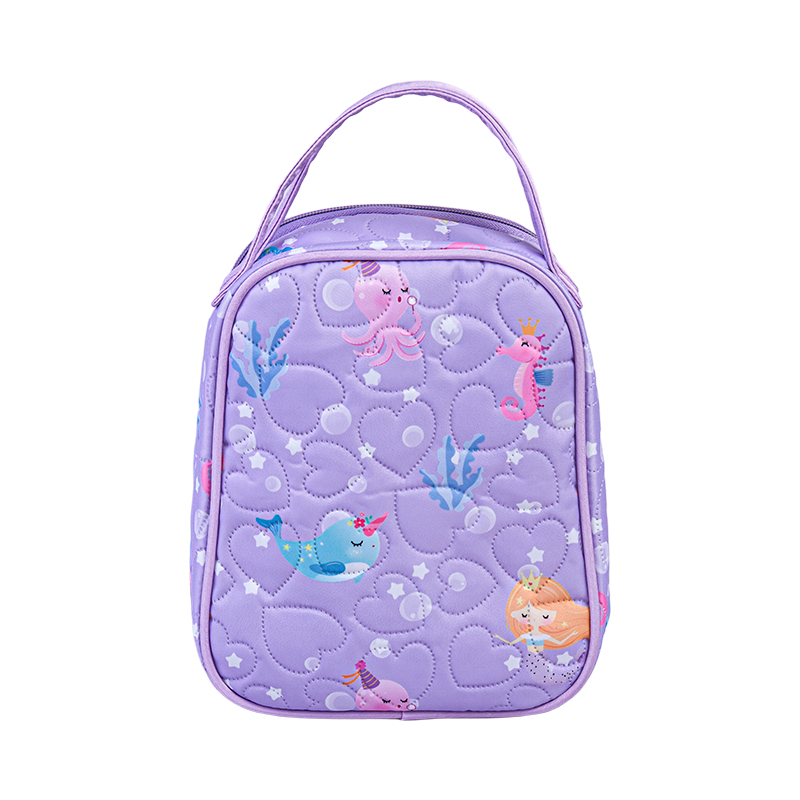
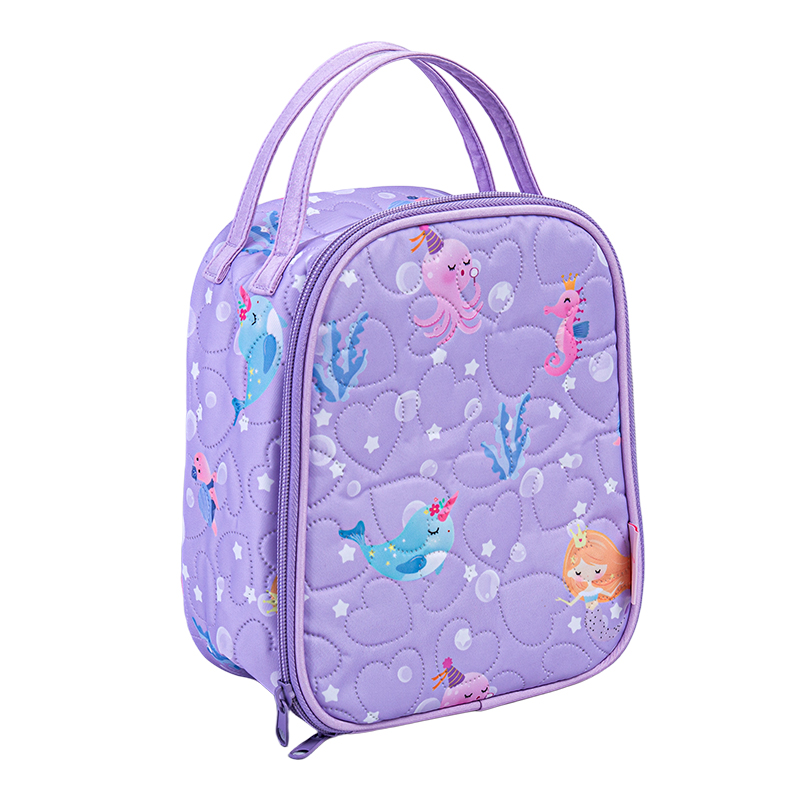
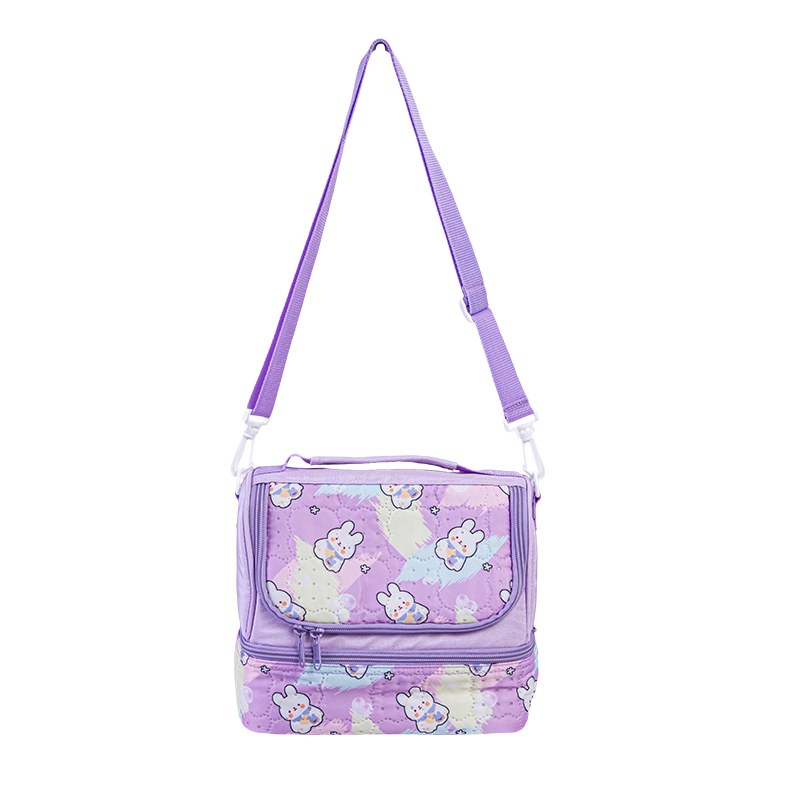
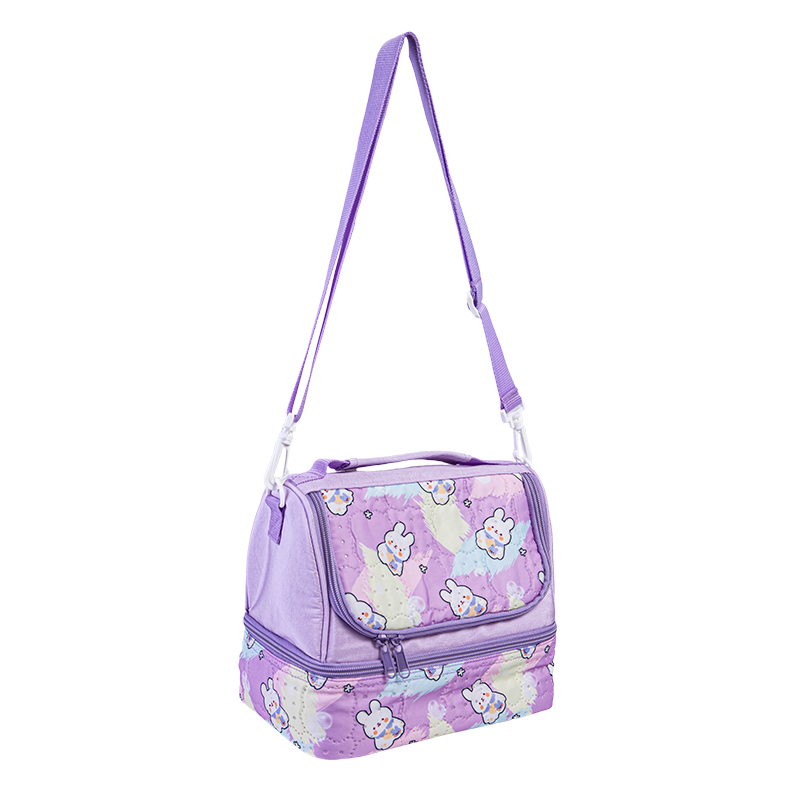
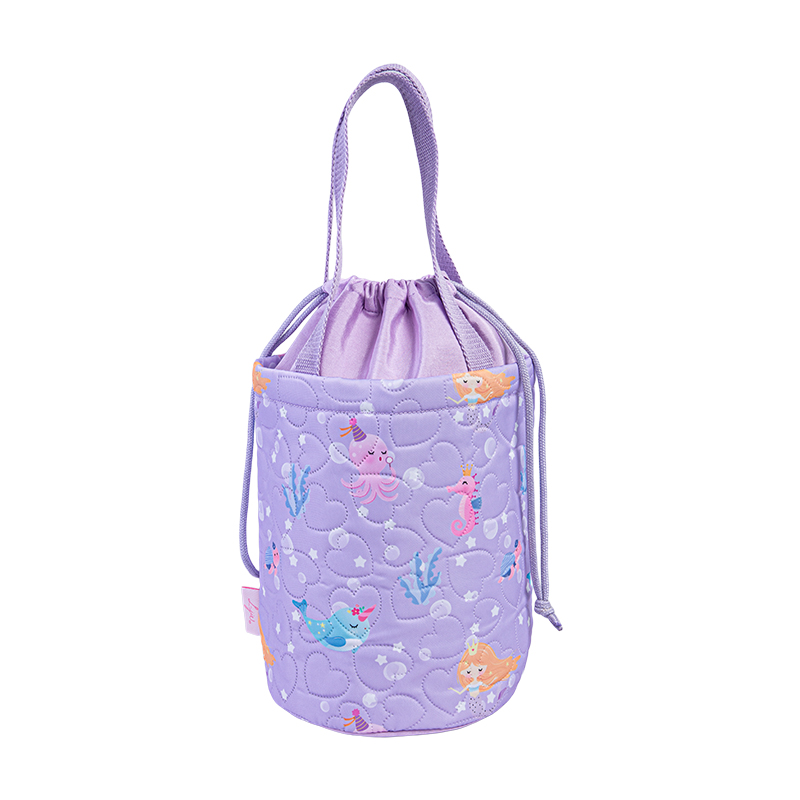
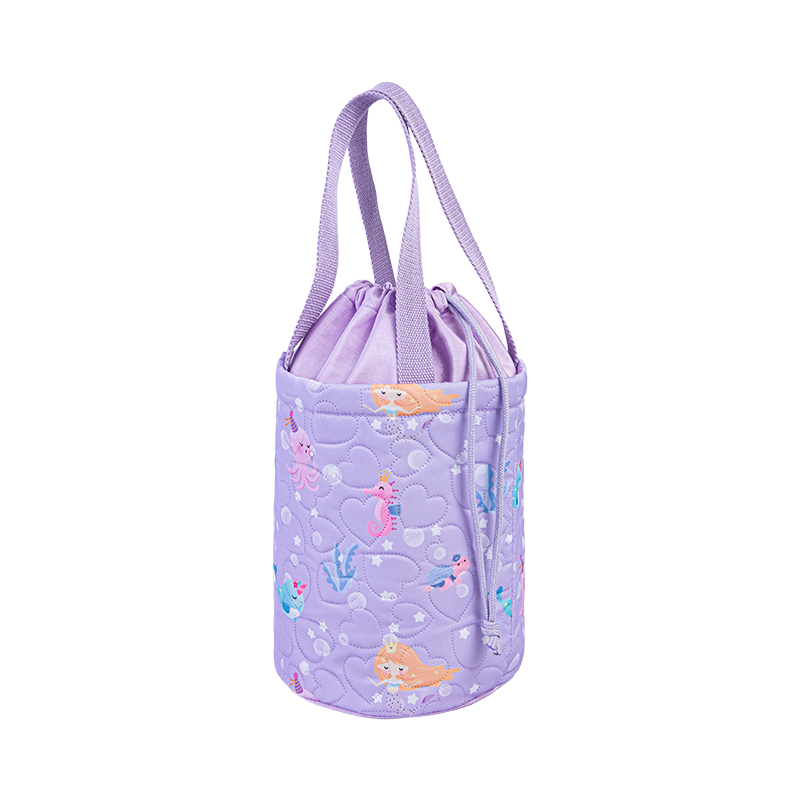
The ultimate companion for your meals on the go — the Lunch Bag. Designed with advanced long-lasting thermal insulation, this lunch bag keeps your food fresh and delicious for hours, whether you're heading to work or enjoying a weekend picnic. It’s not just about keeping food warm or cold — it's about preserving flavor, texture, and nutrition, so every bite feels just like home. Built with practicality in mind, the Lunch Bag is perfect for busy professionals who want to bring homemade meals to the office, as well as outdoor lovers looking to pack lunches for camping or hiking trips. Its lightweight and portable design makes it easy to carry anywhere, while its spacious interior fits a variety of meal containers, snacks, and drinks. Inside, the bag features a food-grade PEVA lining — an eco-friendly, non-toxic material that’s safe for your food and easy to clean. Unlike traditional insulating bags, this one can be wiped down or even rinsed with water, ensuring long-term hygiene and durability. From daily commutes to outdoor adventures, the Lunch Bag brings convenience, freshness, and a touch of home warmth to every meal. Make every bite count — with the Lunch Bag, your favorite meals travel with you, perfectly preserved.
Pinghu Liangjie suitcase & bag Co., Ltd. was established in 1999 and is located in the beautiful Xindai Town of Pinghu City. It has a factory area of over 9000 square meters and is located at the junction of Zhejiang and Shanghai, with superior transportation and a geographical location.
After more than 20 years of hard work, Liangjie has now become a skilled bag production factory and trading company. We have nearly 110 employees and a long-term designated outsourcing processing factory, producing over 3 million bags of various types annually. As China Reusable Lunch Bags Manufacturers and Reusable Lunch Bag Factory, our company mainly produces cooler bags, as well as various soft bags such as backpacks, travel bags, computer bags, carrying bags, makeup bags, pen bags, etc. Our products are exported to countries such as Japan, Europe, and the United States, while also developing emerging markets and domestic markets.
We have now established a development department that focuses on applying new materials to bags and creating new products. We constantly innovate in materials, styles, and workmanship to meet market demands. At the same time, we can also produce samples and manuscripts to meet the needs of different customers.
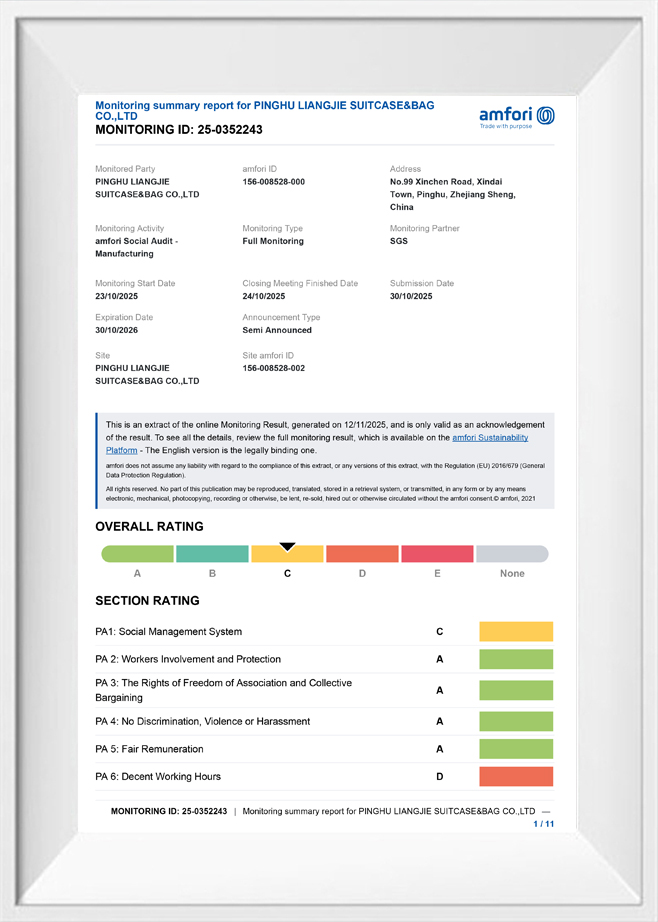
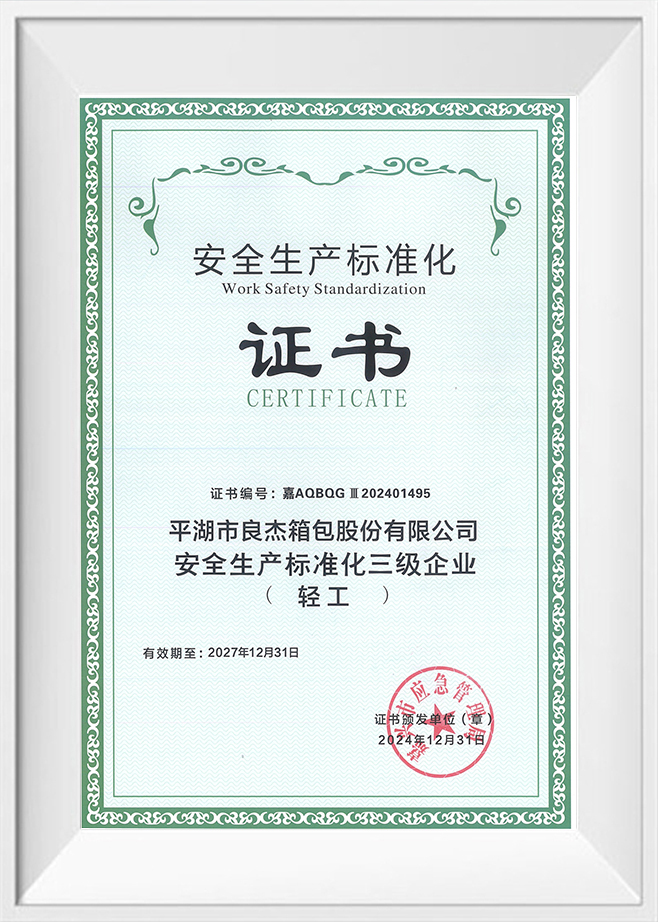
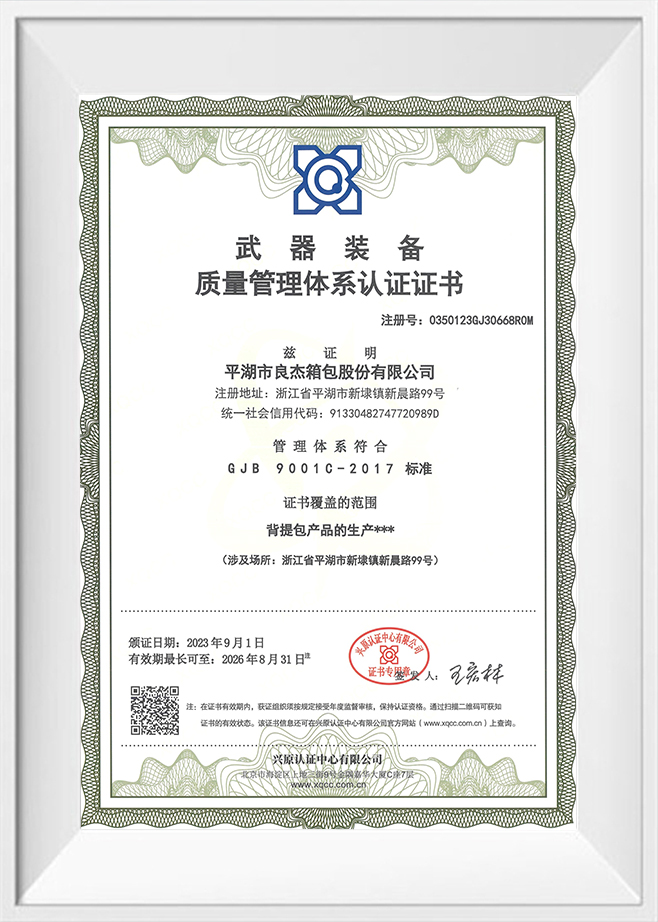
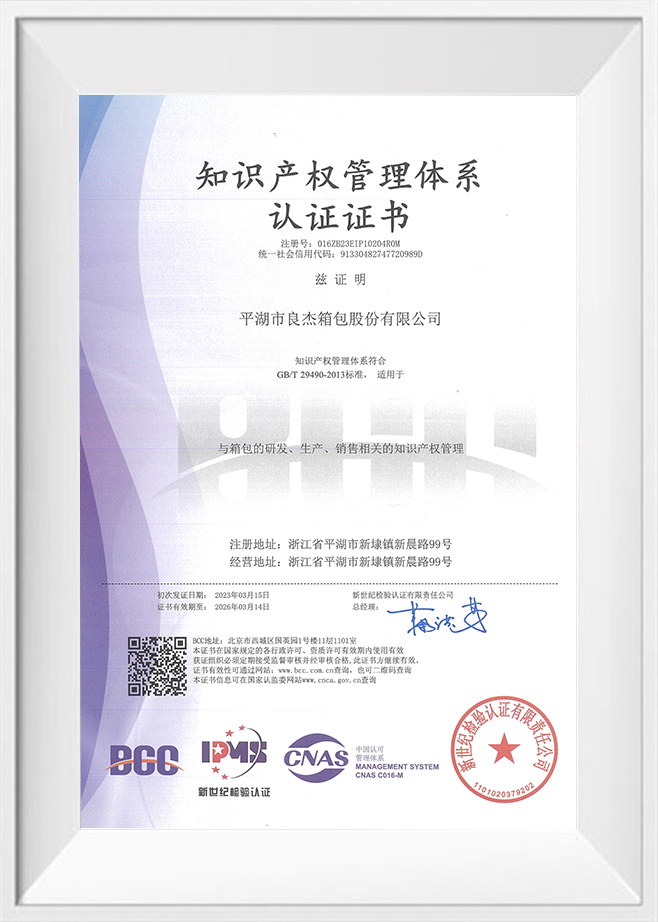
We offer Custom Insulated Lunch Coolers, our company has obtained ISO quality system certification, Japan Aeon, Sedex, and military certification. We always adhere to the business philosophy of striving for survival with quality, putting customers first, and pursuing excellence with Liangjie quality. Our goal is to continuously become an innovative enterprise with independent brands through our own efforts.
Company Established
Number of Employees
Various Types of Bags
The Quick Answer: How to Clean a Canvas Bag Most canvas bags can be cleaned by hand with cold water, mild soap, and a soft brush — and that's the safest method for nearly all types. Machine washing is possible for plain, unlined bags without leather trim or screen-printed graphi...
View MoreThe Best Adult Backpack Depends on How You'll Actually Use It Adult backpacks are not one-size-fits-all. The right backpack is the one sized and structured for your specific activity — whether that's commuting with a laptop, hiking over varied terrain, or traveling carry-on only...
View MoreThe Immediate Verdict on Folding Shopping Bags A folding shopping bag is the most practical and environmentally responsible solution for modern consumers, effectively replacing hundreds of single-use plastic bags over its lifetime. One high-quality reusable bag can eliminate the...
View MoreSelecting the shell and lining materials of an insulated cooler lunch bags affects durability, weight, odor retention, and measurable thermal performance. Below are practical, engineering-oriented notes to guide specification or purchasing decisions rather than marketing claims.
Thermal performance is heavily influenced by how well the bag prevents convective air exchange. Designers often under-estimate the effect of seams, zippers, and flap closures on actual product cooling duration.
Users can increase safe chilled time significantly through packing technique. These practices are simple to implement and can be included on product hangtags or care cards to add consumer value.
Routine cleaning extends product life and protects food safety. Provide clear instructions tied to material choices and expected consumer behavior (e.g., frequent use by parents vs. occasional picnic use).
Buying decisions and procurement specs increasingly demand evidence of lifecycle thinking—repairability, recyclability, and realistic expected lifetime. Below are concrete design and procurement suggestions.
If you require labeled performance (e.g., "keeps contents cold for 8 hours"), specify a repeatable test protocol. Vague claims create liability and consumer disappointment.
If you'd like, I can convert any one of these sections into a printable product care card or a supplier specification checklist (single HTML fragment) you can include with product shipments.
An innovative enterprise that continuously strives to have its own brand through its own efforts. bag production factory
Phone: +86-13906735273
Tel: +86-573-85605006
Email: zhouyueliang@L-jie.com
Add: No.99 Xinchen Road. Xindai, Pinghu, Zhejiang, China
Copyright© 2025 Pinghu Liangjie suitcase & bag Co., Ltd. All Rights Reserved.
 OEM/ODM Cooler Lunch Bag Factory


 English
 Français
 Español
 Deutsch
 عربى
عربى