+86-573-85605006
 zhouyueliang@L-jie.com
Pinghu Liangjie suitcase & bag Co., Ltd. was established in 1999 and is located in the beautiful Xindai Town of Pinghu City. It has a factory area of over 9000 square meters and is located at the junction of Zhejiang and Shanghai, with superior transportation and a geographical location.
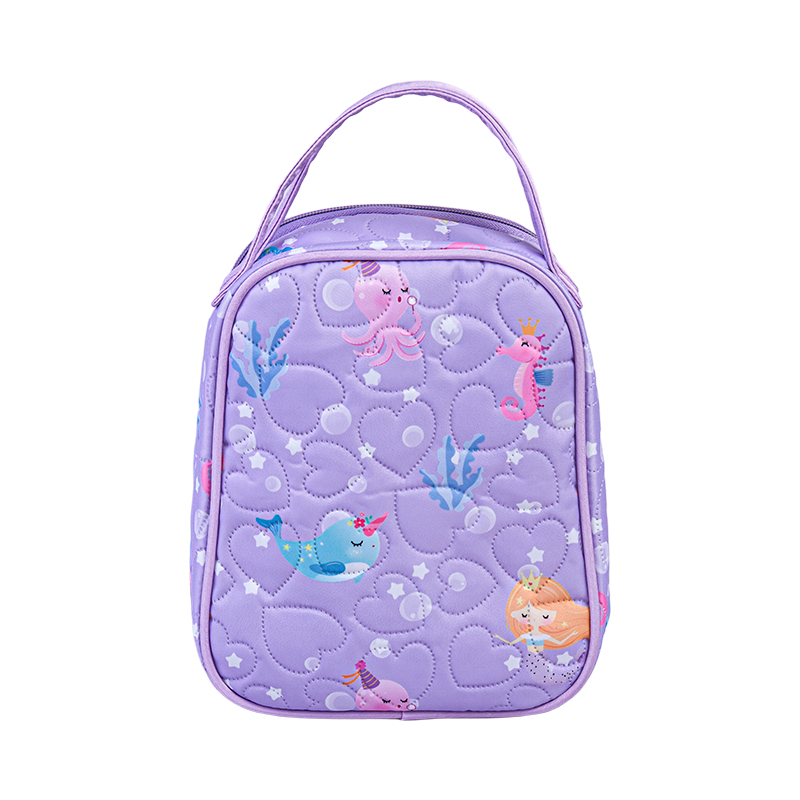
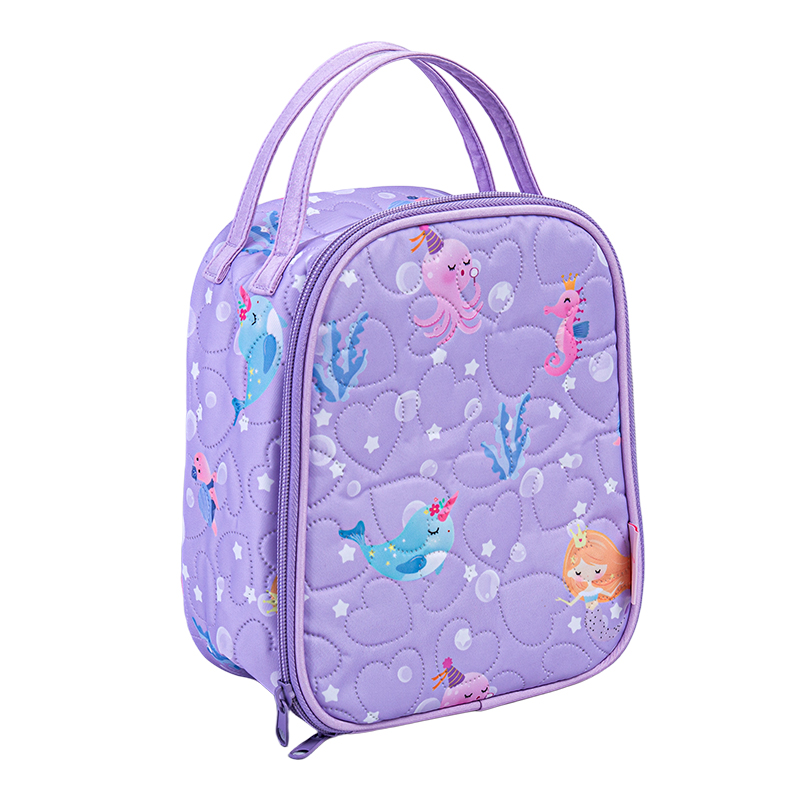
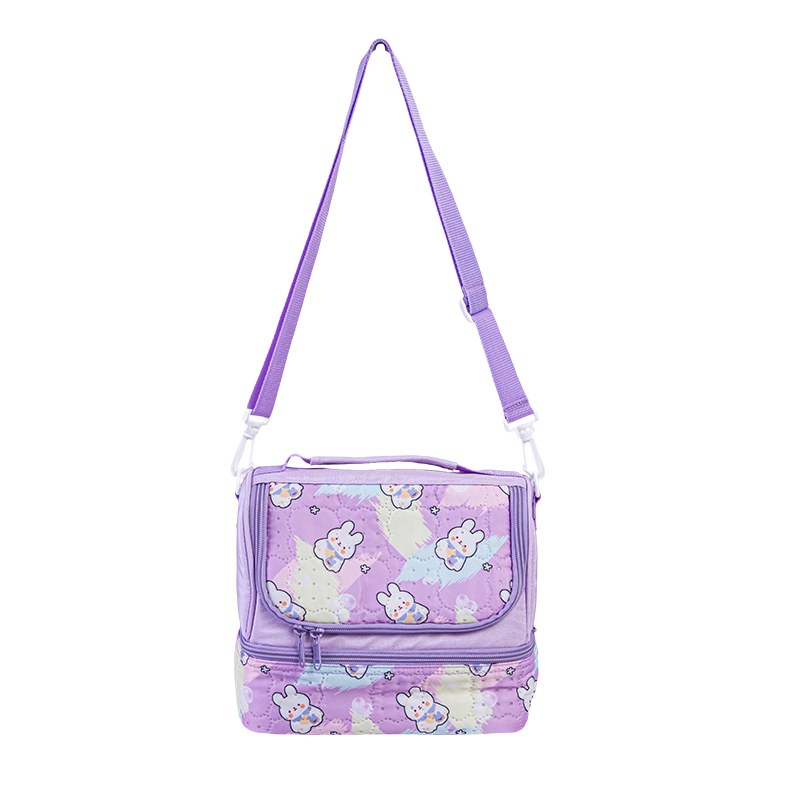
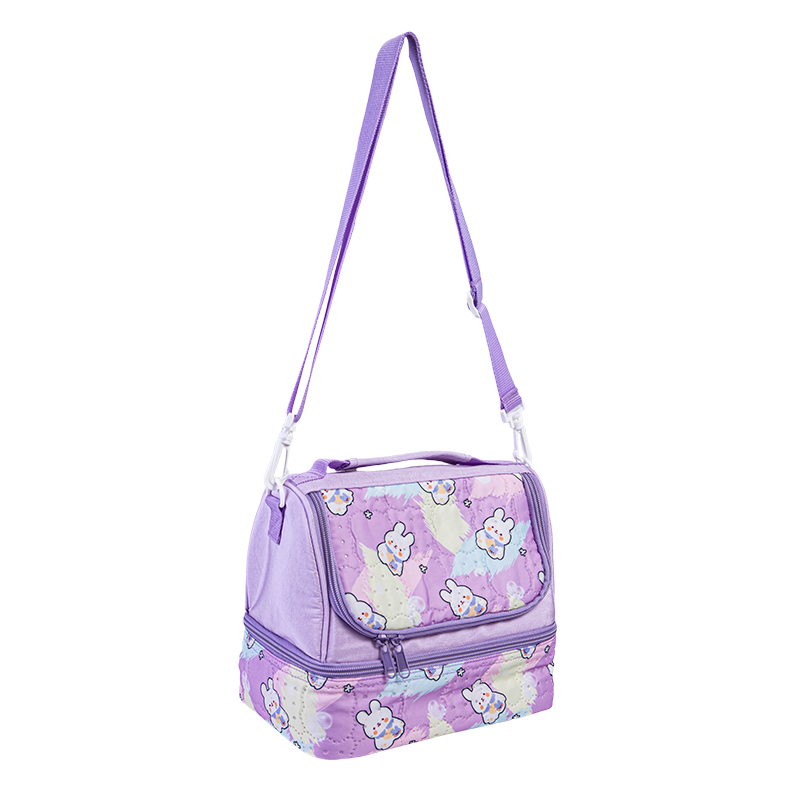
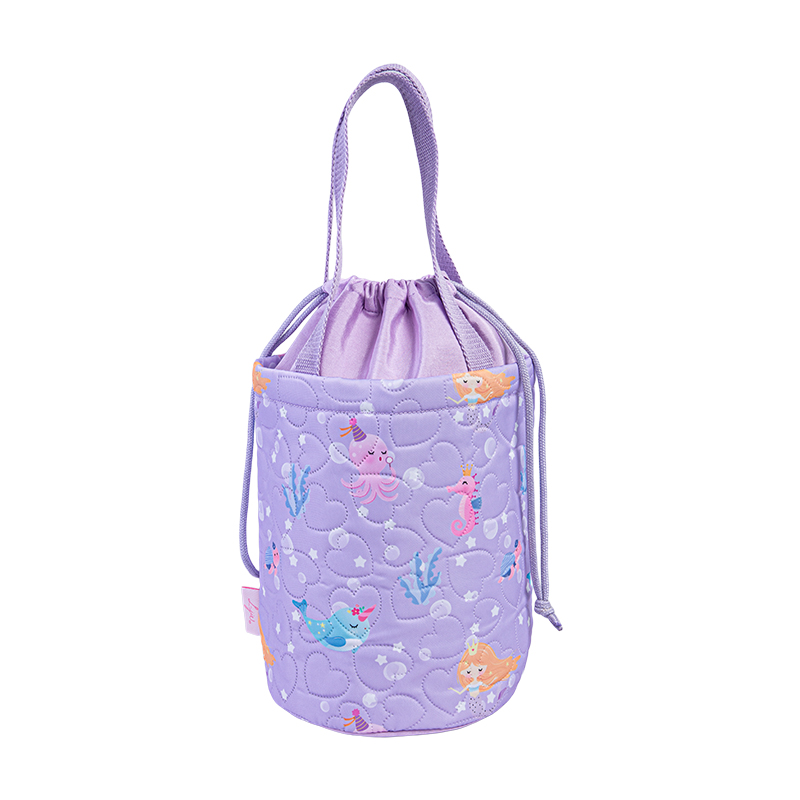
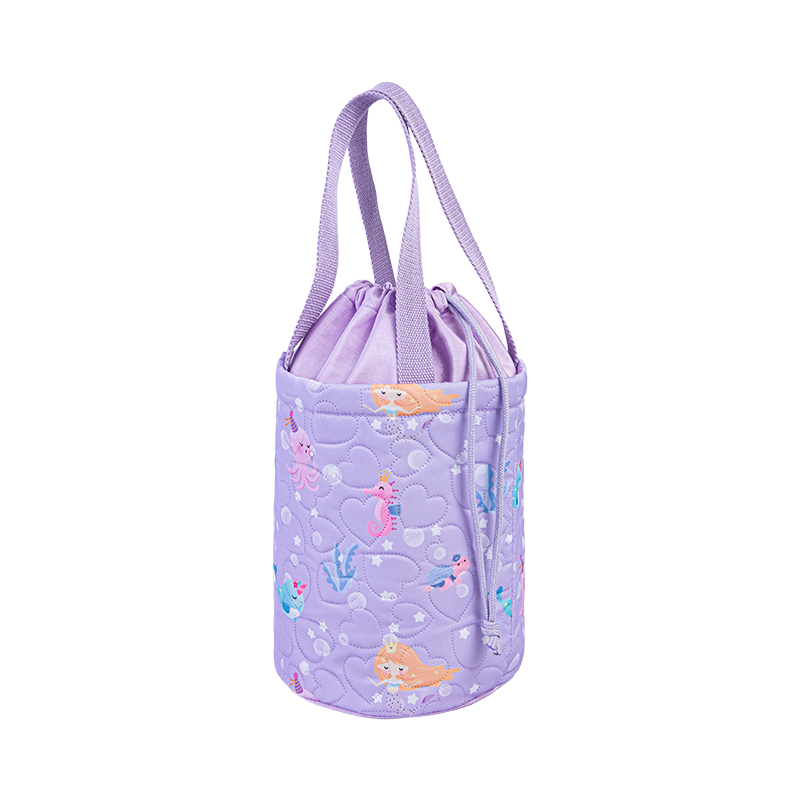
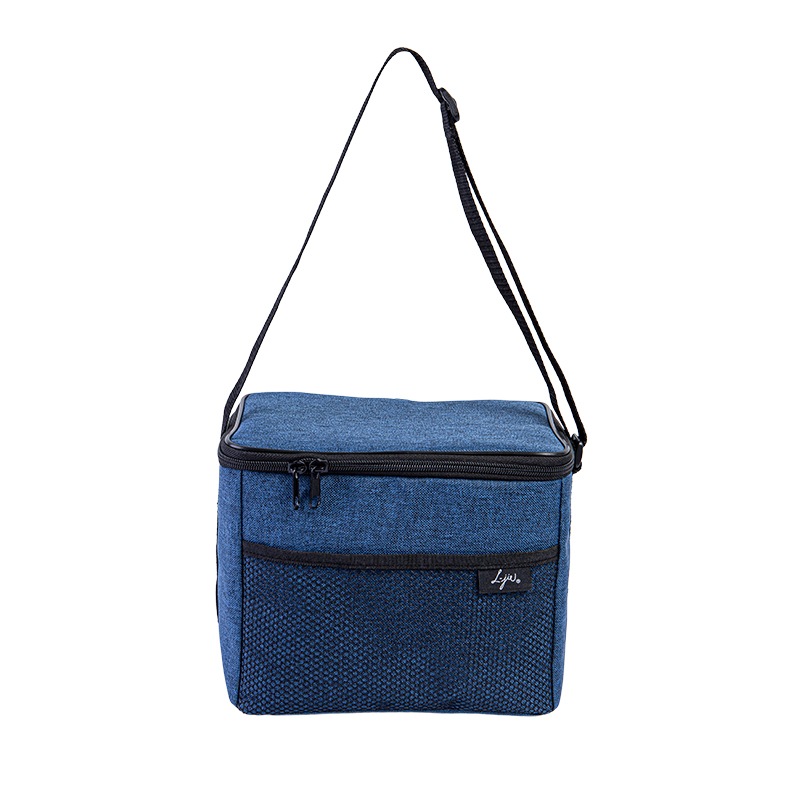
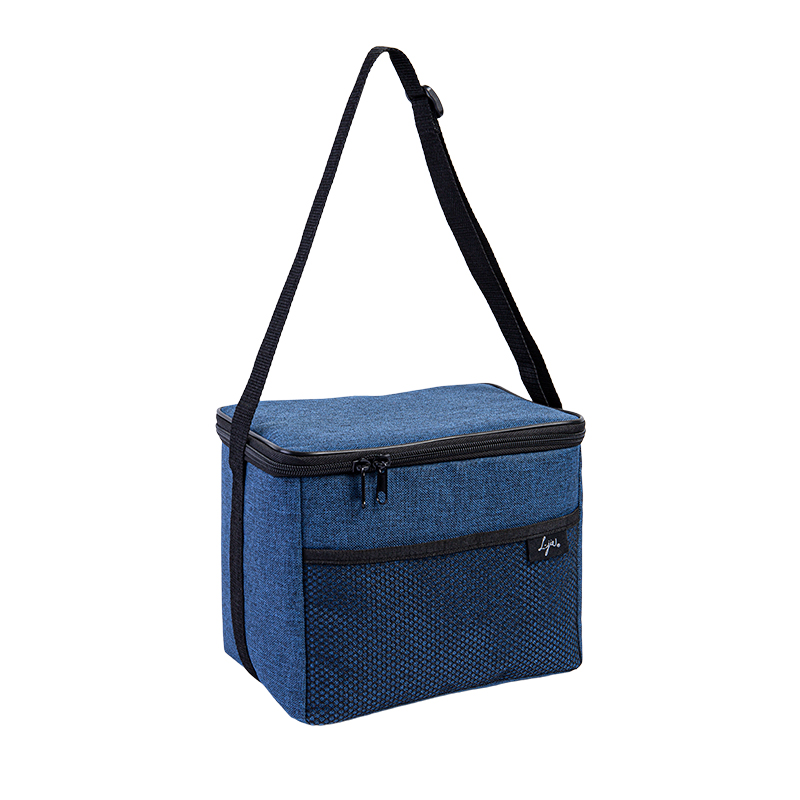
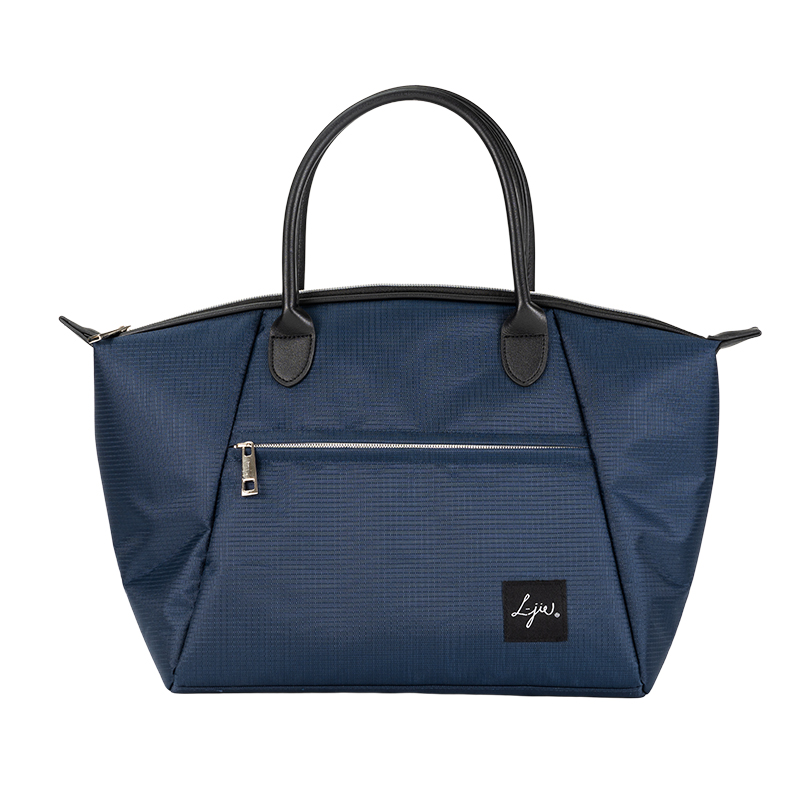
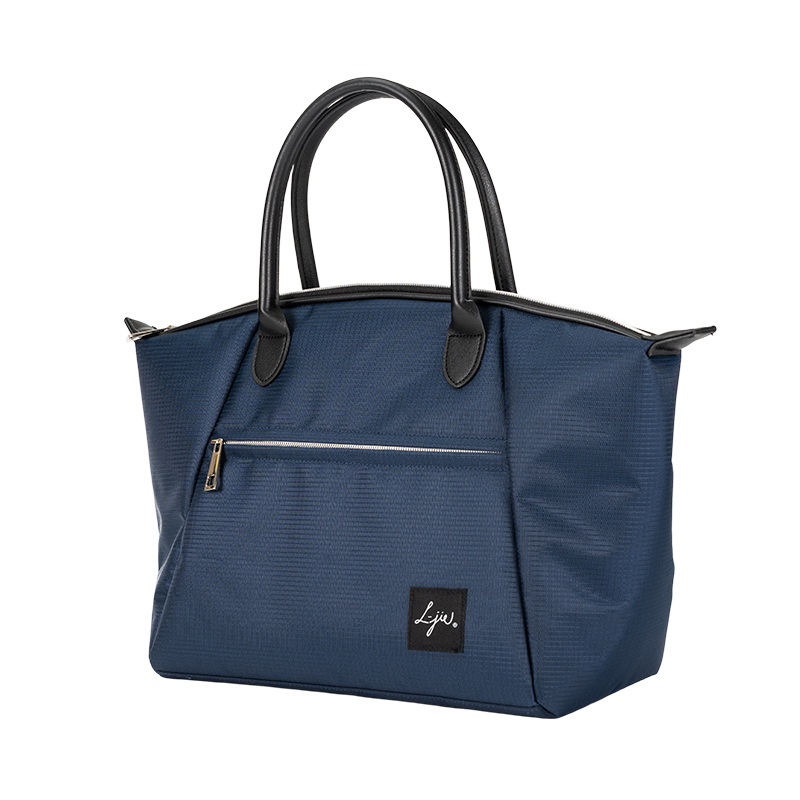
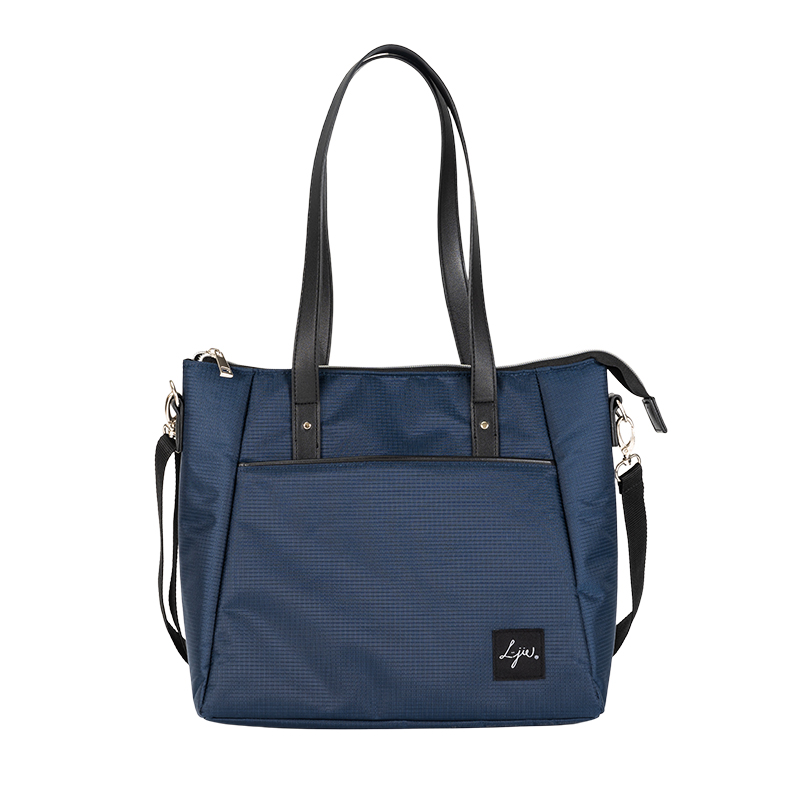
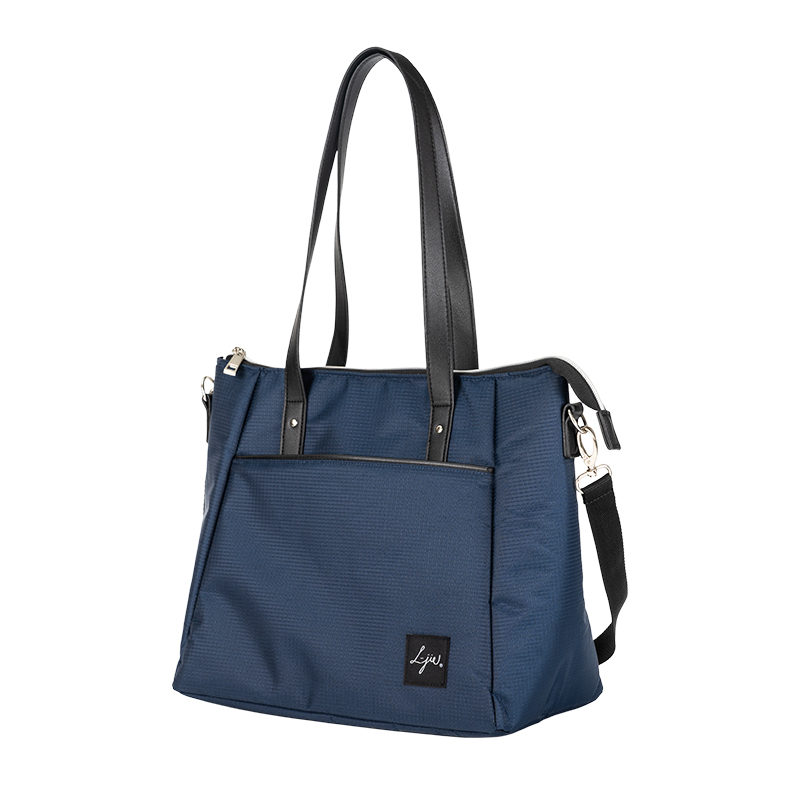
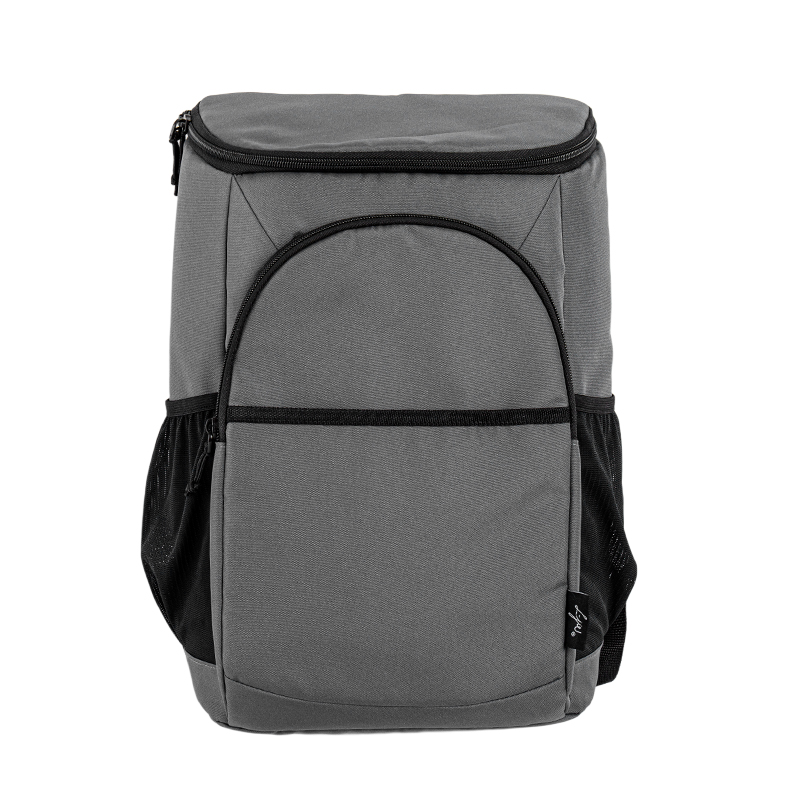
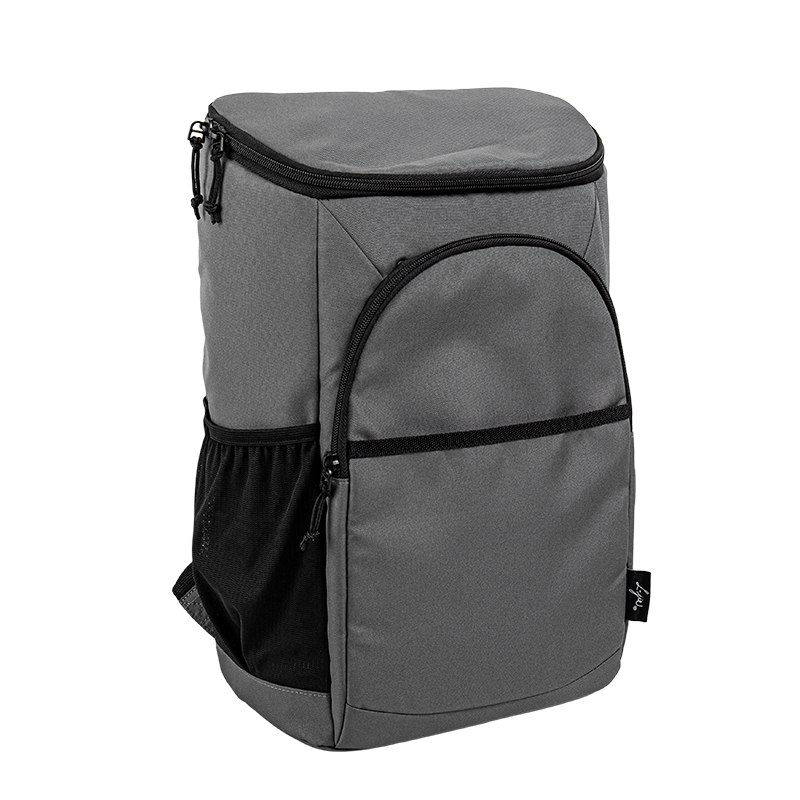
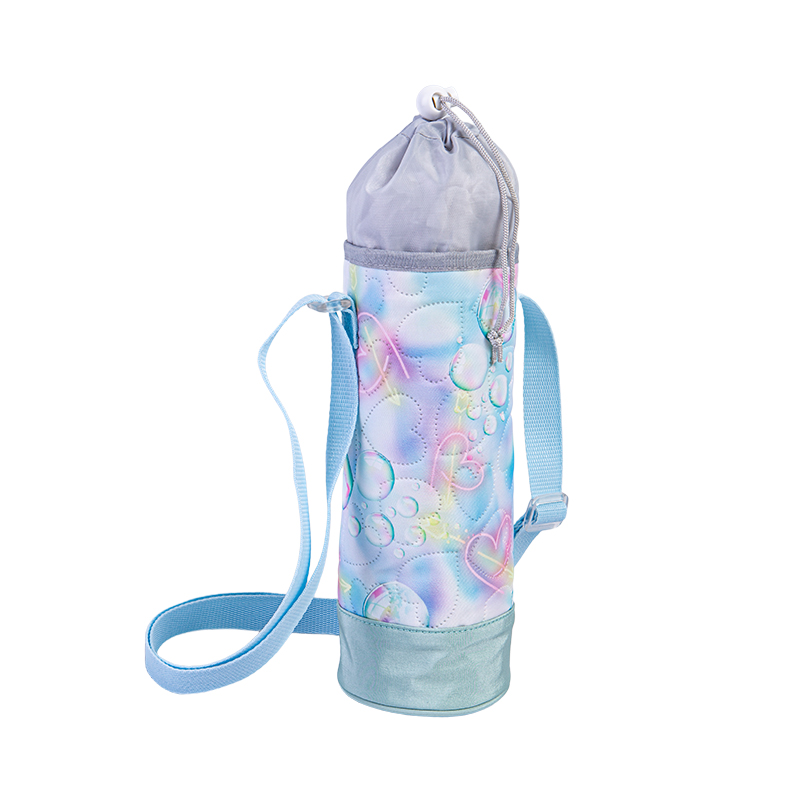
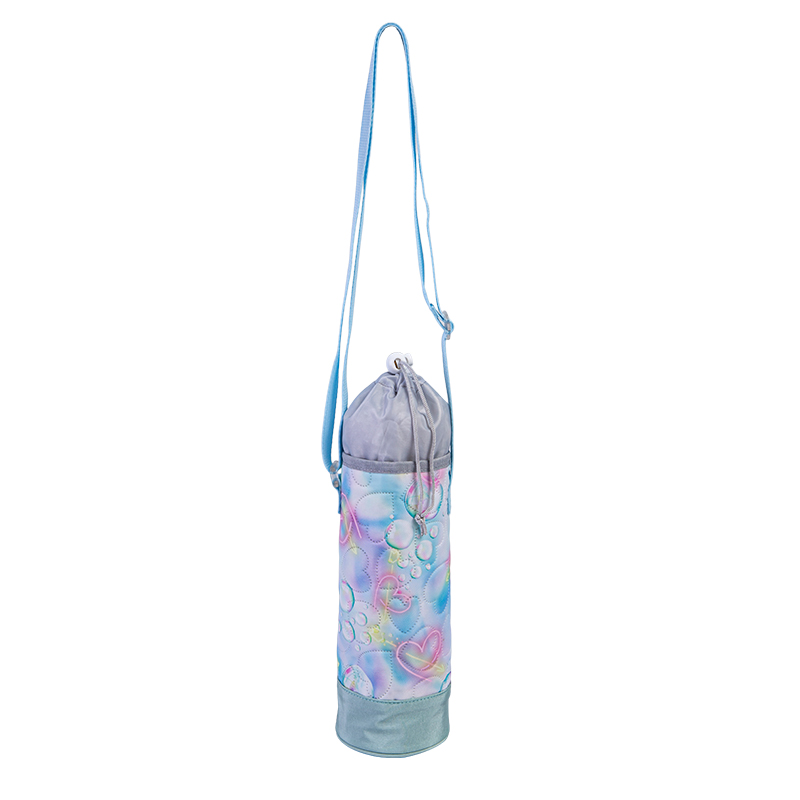
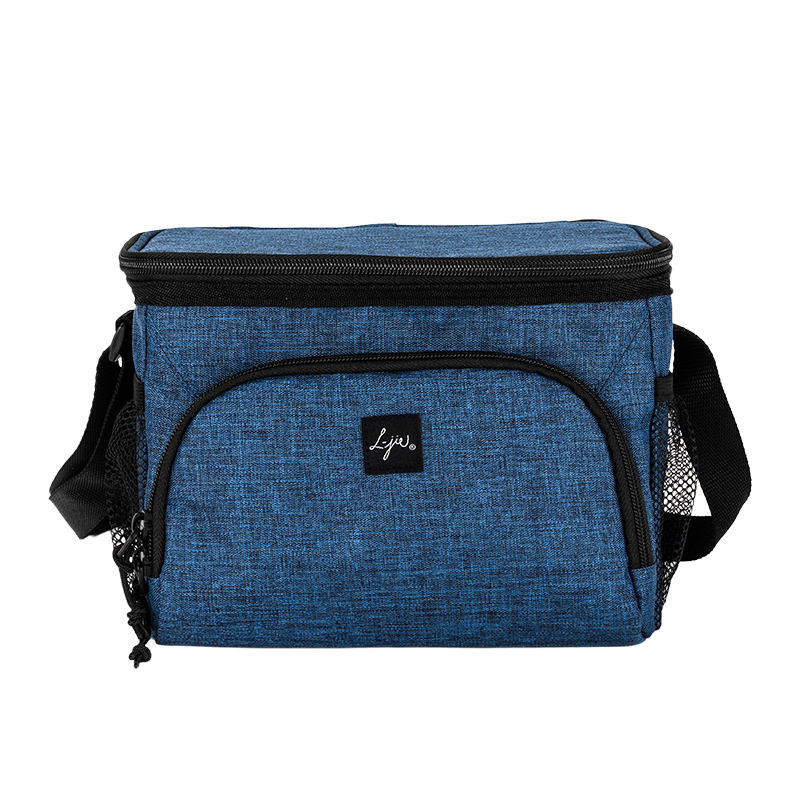
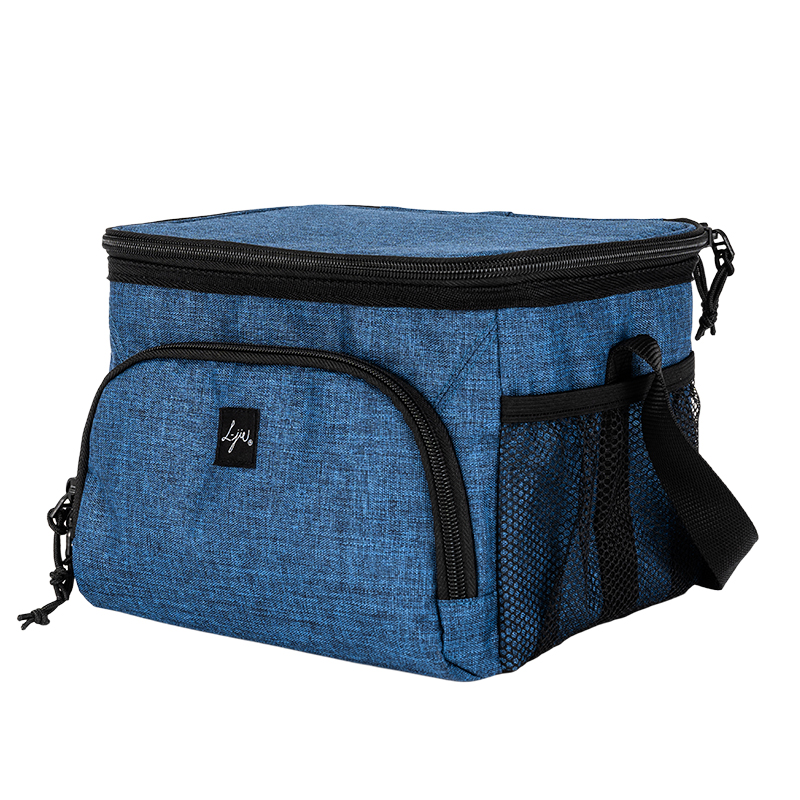
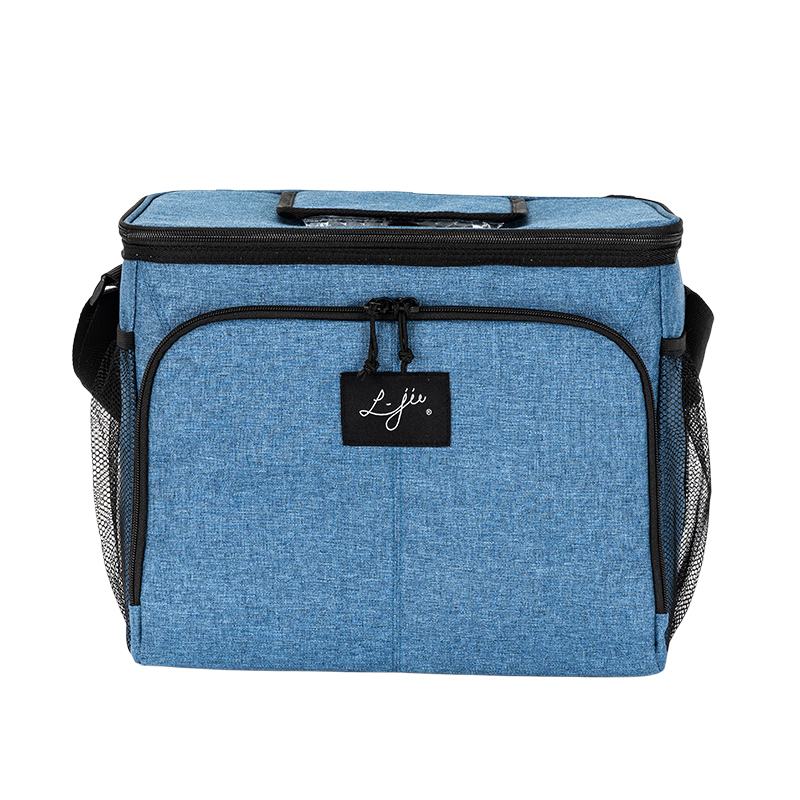
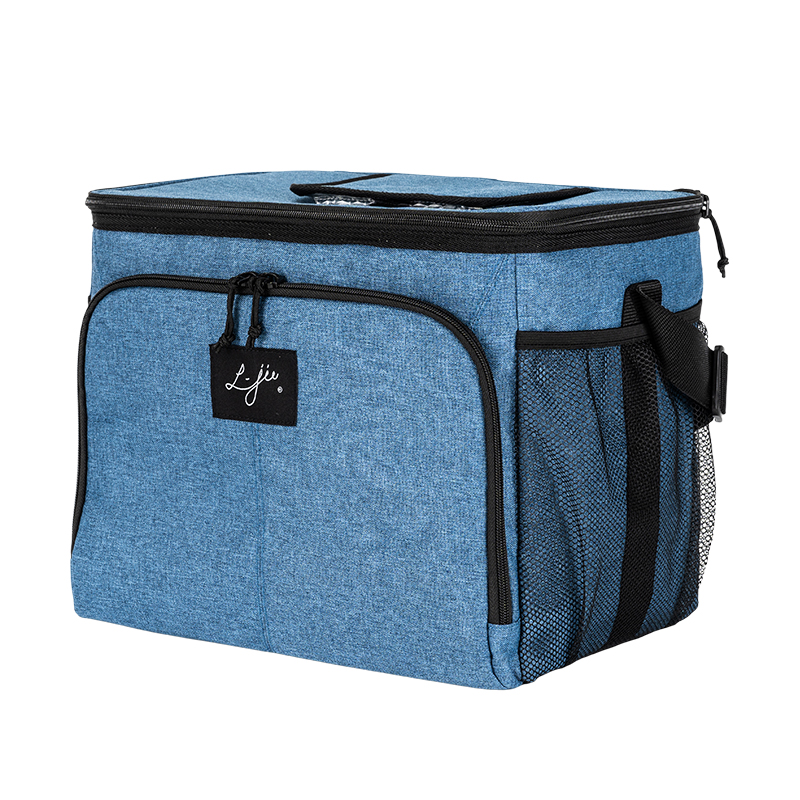
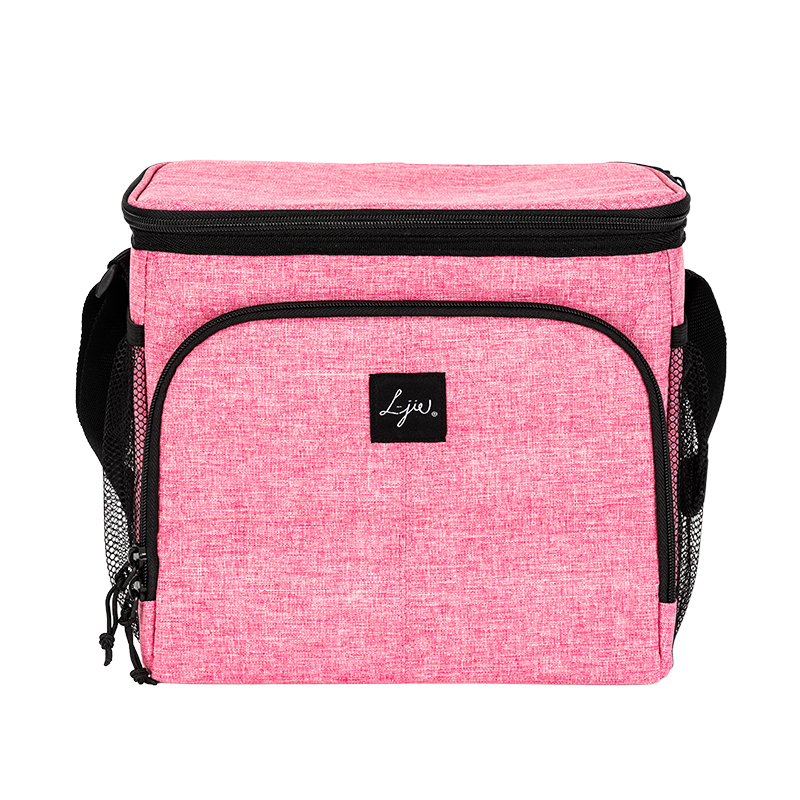
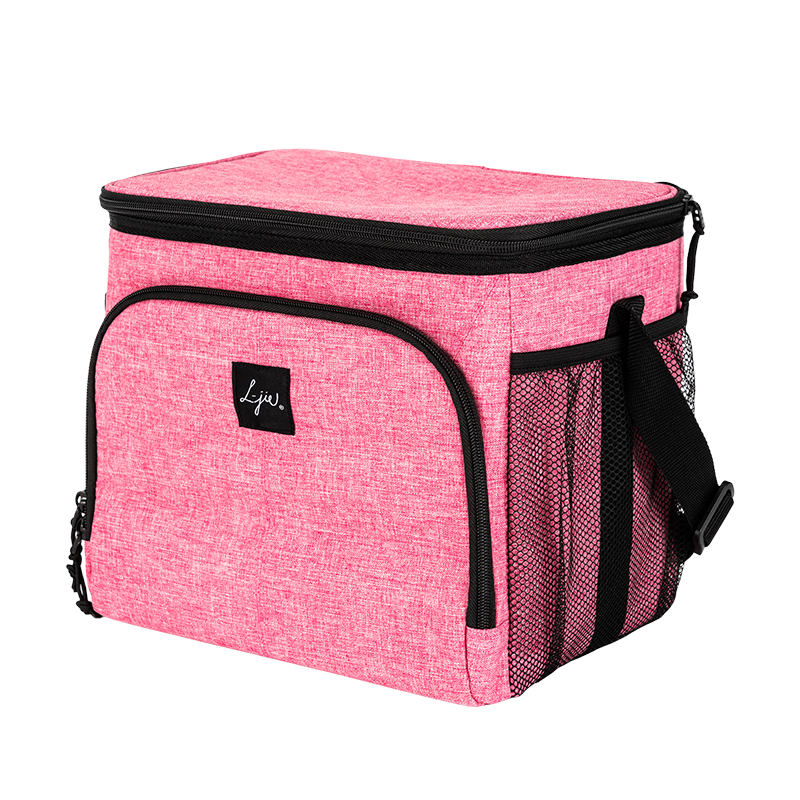
After more than 20 years of hard work, Liangjie has now become a skilled bag production factory and trading company. We have nearly 110 employees and a long-term designated outsourcing processing factory, producing over 3 million bags of various types annually. As China Soft Bags Suppliers and Soft Bag Company, our company mainly produces cooler bags, as well as various soft bags such as backpacks, travel bags, computer bags, carrying bags, makeup bags, pen bags, etc. Our products are exported to countries such as Japan, Europe, and the United States, while also developing emerging markets and domestic markets.
We have now established a development department that focuses on applying new materials to bags and creating new products. We constantly innovate in materials, styles, and workmanship to meet market demands. At the same time, we can also produce samples and manuscripts to meet the needs of different customers.
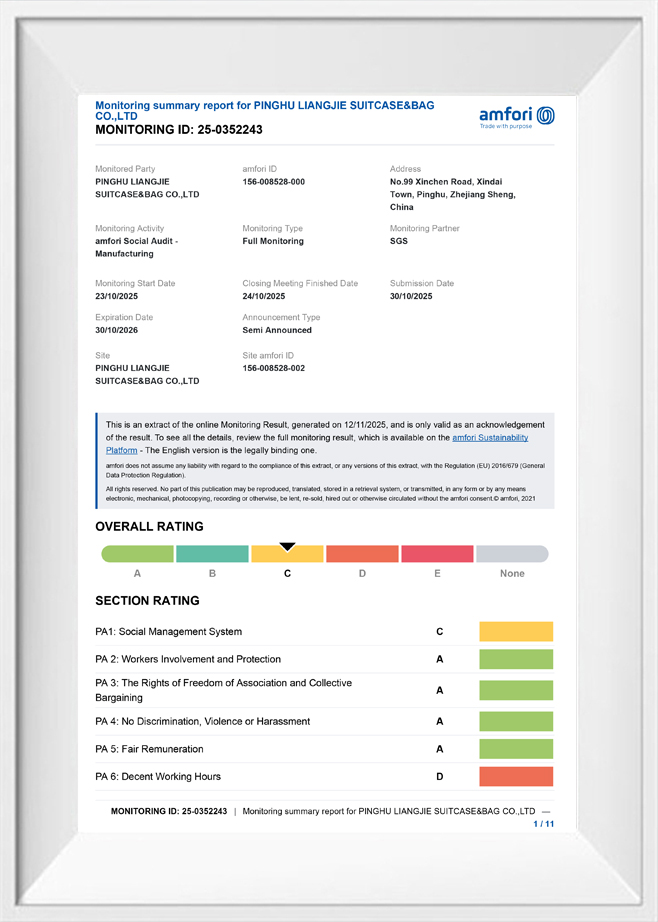
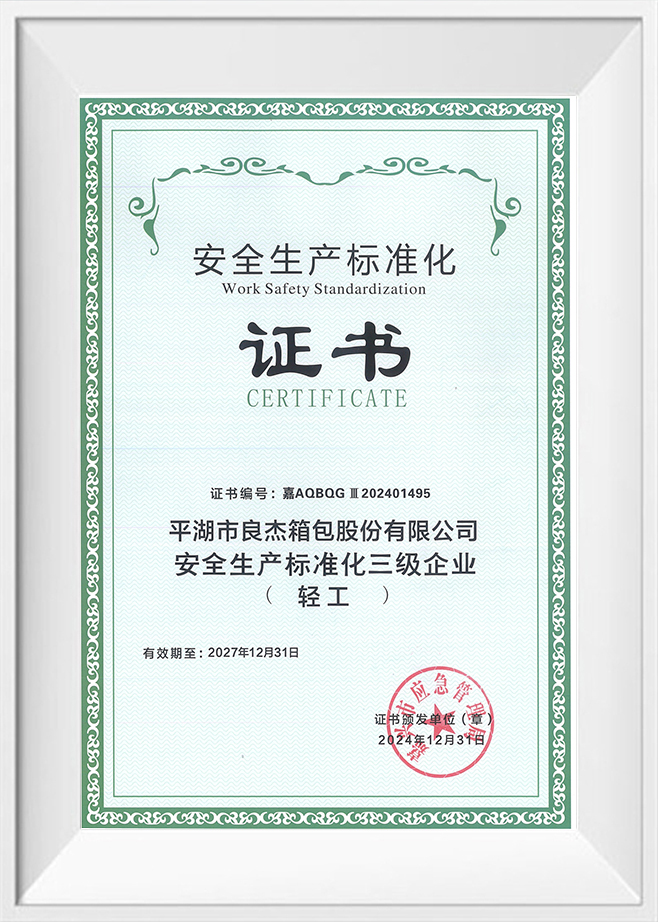
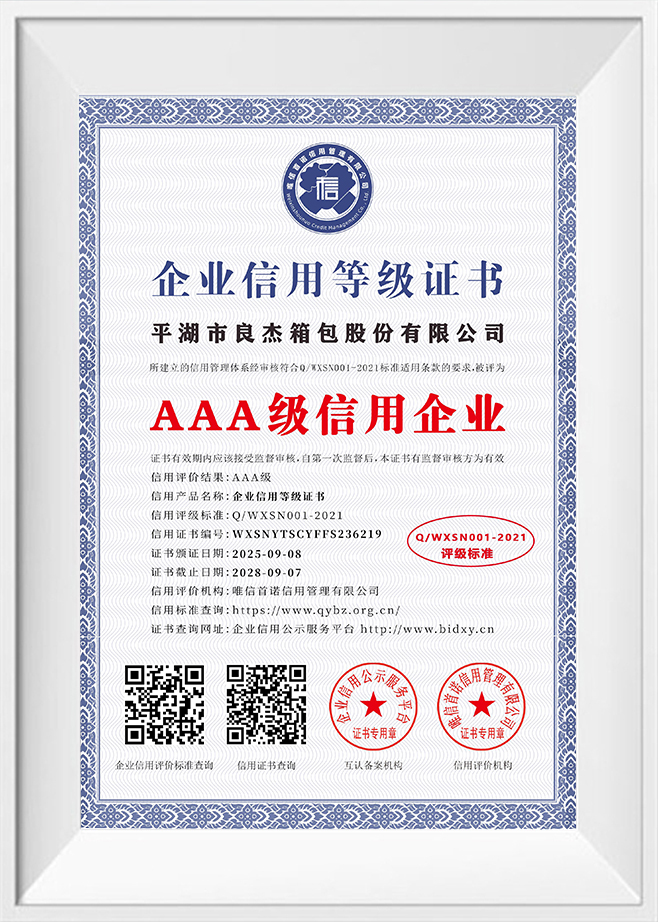
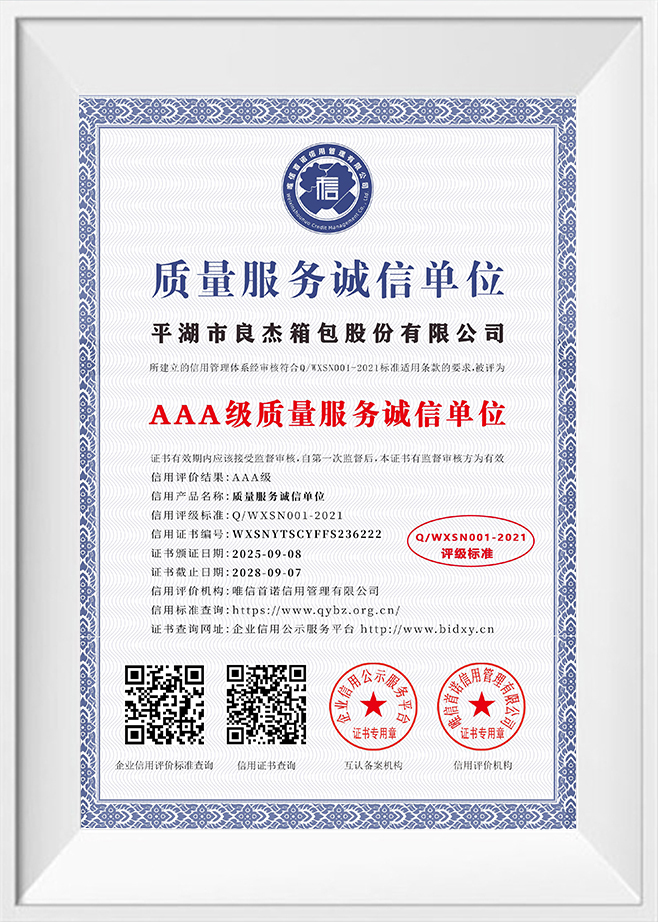
We offer Wholesale Luggage Bags, our company has obtained ISO quality system certification, Japan Aeon, Sedex, and military certification. We always adhere to the business philosophy of striving for survival with quality, putting customers first, and pursuing excellence with Liangjie quality. Our goal is to continuously become an innovative enterprise with independent brands through our own efforts.
Company Established
Number of Employees
Various Types of Bags
A stadium giveaway for 5,000 clear bags, a dive shop asking for welded roll-top packs, and a supermarket chain that wants wipe-clean carriers for its delivery crew can all arrive under one search phrase: backpack PVC. They are three different products with three different prices...
View MoreA school backpack that has carried a lunch box, a leaking water bottle and a rain-soaked gym kit for nine months does not smell like a manufacturing defect. It smells like biology. Crumbs, sweat, spilled juice and damp clothing all feed the same process, and once that smell sett...
View MoreIf you are sourcing tote bags for a retail program, a promotional campaign, or a private-label line, the first specification you need is a realistic size range. The average tote bag size is approximately 14 to 16 inches wide, 13 to 15 inches tall, and 4 to 6 inches deep. That do...
View MoreRecent years have seen significant advancements in the materials used for luggage bags. Instead of traditional fabrics like polyester or nylon, manufacturers are increasingly adopting composite textiles with enhanced durability, flexibility, and water resistance. Hybrid materials such as polycarbonate-ABS blends and high-tenacity ballistic nylon provide a balance between lightweight construction and impact resistance, extending the lifespan of travel bags even under rough handling.
Another trend is the introduction of eco-friendly soft bags made from recycled PET or bio-based fabrics. These sustainable materials maintain strength while reducing the environmental footprint, appealing to travelers who prioritize green living.
The integration of smart technologies into travel bags is reshaping how people travel. From embedded GPS tracking systems to digital locks controlled by smartphone apps, modern luggage has evolved far beyond simple storage. Some innovative features include:
Soft luggage bags are not simply about flexibility; their structural design involves precise engineering to maintain shape and functionality. Manufacturers often reinforce stress points with double stitching and high-density padding to prevent deformation and tearing. Internal frame systems made from lightweight aluminum or fiberglass rods can provide shape retention while keeping the bag lightweight.
In addition, multi-layer fabric composites with TPU coatings enhance resistance to moisture and abrasion, making soft bags suitable for a wider range of travel conditions.
Contemporary travel bags focus heavily on modular design and multifunctional compartments. Travelers today expect seamless organization without sacrificing aesthetics. Some practical design directions include:
High-quality luggage undergoes a variety of tests to ensure long-term reliability. These standardized assessments simulate real-world travel conditions such as impacts, vibrations, and temperature changes. Common durability tests include:
An innovative enterprise that continuously strives to have its own brand through its own efforts. bag production factory
Phone: +86-13906735273
Tel: +86-573-85605006
Email: zhouyueliang@L-jie.com
Add: No.99 Xinchen Road. Xindai, Pinghu, Zhejiang, China
Copyright© 2025 Pinghu Liangjie suitcase & bag Co., Ltd. All Rights Reserved.
 OEM/ODM Travel Bag Company


 English
 Français
 Español
 Deutsch
 عربى
عربى