 +86-573-85605006
 zhouyueliang@L-jie.com
Content
A folding shopping bag is the most practical and environmentally responsible solution for modern consumers, effectively replacing hundreds of single-use plastic bags over its lifetime. One high-quality reusable bag can eliminate the need for approximately 300 to 500 disposable plastic bags annually, significantly reducing landfill waste and carbon emissions. Unlike bulky traditional totes, the foldable design ensures portability without sacrificing strength, making it the ideal choice for spontaneous grocery trips and daily errands. By switching to these compact carriers, individuals directly contribute to a circular economy while enjoying superior durability and cost savings over time.
The primary driver for adopting folding shopping bags is their profound ability to mitigate plastic pollution. Single-use plastics remain a critical global issue, with conventional bags often used for mere minutes before persisting in ecosystems for centuries. Transitioning to reusables offers a measurable solution to this crisis.
Data indicates that the widespread adoption of reusable bags leads to a drastic reduction in resource consumption. Studies show that a single durable folding bag can replace hundreds of plastic bags, preventing them from entering oceans and landfills. Furthermore, bags made from recycled materials, such as RPET or recycled polypropylene, require 33% less energy to produce compared to virgin plastic alternatives, lowering the overall carbon footprint of manufacturing.
The market response reflects this shift, with the global reusable shopping bag sector expanding rapidly as consumers and retailers alike prioritize sustainability goals for 2025 and beyond.
| Feature | Single-Use Plastic Bag | Folding Reusable Bag |
|---|---|---|
| Average Lifespan | 12 minutes | 3–5 years (500+ uses) |
| Waste Generated | High (Non-biodegradable) | Negligible per use |
| Energy Efficiency | Low (Virgin resources) | High (especially recycled materials) |
| Portability | Compact but flimsy | Ultra-compact when folded |
Choosing the right material is crucial for ensuring your folding shopping bag withstands heavy loads and frequent use. The market offers a variety of options, each balancing weight, strength, and eco-friendliness differently.
Polypropylene (PP) Woven: Known for exceptional strength-to-weight ratios, PP woven bags are water-resistant and capable of holding heavy groceries without tearing. They are often cited as the best option for durability and cost-effectiveness.
Ripstop Nylon: Frequently used in ultralight foldable models, ripstop nylon offers incredible tear resistance despite its thin profile. Bags made from parachute nylon are lightweight enough to fit in a pocket yet strong enough to carry substantial weight.
Recycled PET (RPET): Made from post-consumer plastic bottles, RPET provides a sturdy fabric feel similar to canvas but with a lower environmental impact. This material supports the circular economy by repurposing existing plastic waste.
Organic Cotton Canvas: While slightly heavier when folded, organic cotton offers a premium aesthetic and biodegradability. It is best suited for lighter loads and fashion-conscious shoppers who prioritize natural fibers.
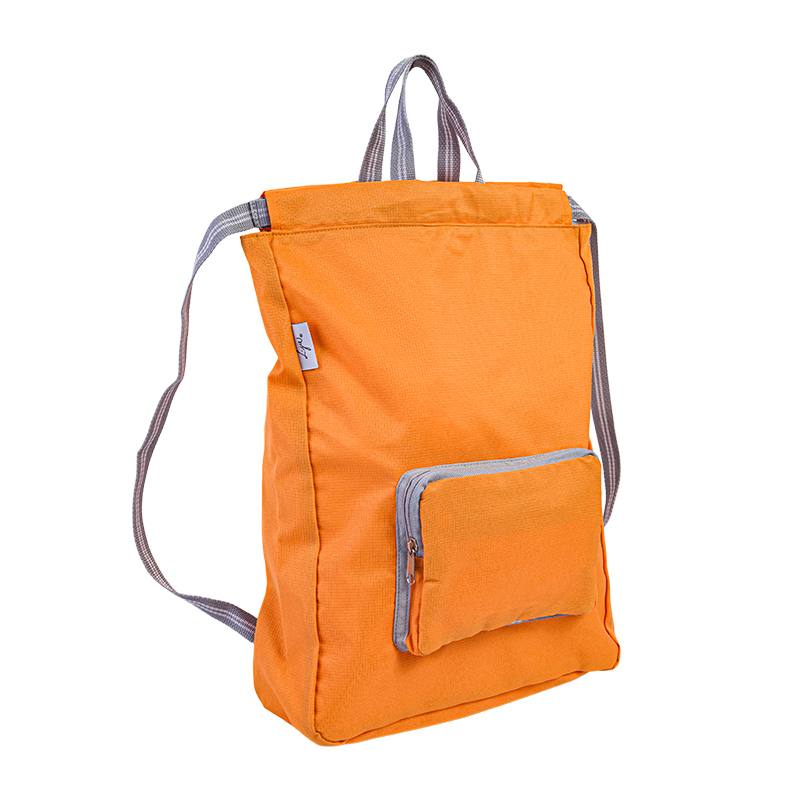
The utility of a folding shopping bag extends beyond its material; specific design elements determine how seamlessly it integrates into daily life. Modern designs focus on maximizing convenience while minimizing bulk.
Consumers should look for bags that balance these features with their specific lifestyle needs, ensuring the bag is actually used rather than left at home due to inconvenience.
To maintain the longevity and safety of folding shopping bags, regular cleaning is essential. Bacteria can accumulate on reusable bags, especially those used for raw meats or produce, posing health risks if neglected.
Proper care depends heavily on the fabric type. Polypropylene and nylon bags can typically be wiped down with disinfectant wipes or machine washed on a gentle cycle, while cotton canvas usually tolerates higher heat drying. It is recommended to wash bags after every few uses, or immediately after transporting raw proteins.
Establishing a routine where bags are aired out completely before folding prevents mold growth and odors. Regular maintenance can extend the usable life of a folding bag by up to 40%, maximizing both economic and environmental returns.
1. Understanding Shopping Bags Shopping bags are essential tools in modern retail and daily life. They serve as a convenient way to carry groceries, c...
View More1. Introduction In our increasingly mobile and digital world, the laptop has become the central hub of our professional and personal lives. It connect...
View MoreLearn how to choose the perfect crossbody water bottle sling bag — sizing, materials, wearing styles, packing checklist, top features to prioritize, a...
View MoreAn innovative enterprise that continuously strives to have its own brand through its own efforts. bag production factory
Phone: +86-13906735273
Tel: +86-573-85605006
Email: zhouyueliang@L-jie.com
Email: sunny@L-jie.com
Add: No.99 Xinchen Road. Xindai, Pinghu, Zhejiang, China
Copyright© 2025 Pinghu Liangjie suitcase & bag Co., Ltd. All Rights Reserved.
 Custom Luggage Bags Manufacturers


 English
 Français
 Español
 Deutsch
 عربى
عربى