 +86-573-85605006
 zhouyueliang@L-jie.com
If you are sourcing tote bags for a retail program, a promotional campaign, or a private-label line, the first specification you need is a realistic size range. The average tote bag size is approximately 14 to 16 inches wide, 13 to 15 inches tall, and 4 to 6 inches deep. That does not mean every tote falls into this window—oversized beach totes and compact gift totes sit outside it—but it is the baseline that covers most general-purpose bags you will find in stores and catalogs. Knowing this average helps you set a starting point for sampling, cost estimation, and artwork placement. The rest of this guide explains how those numbers are measured, where they come from, and how to adjust them for specific end uses.
Content
The word "average" can be misleading because tote bags serve many functions. A grocery tote, a laptop tote, and a promotional give-away tote have different design priorities. Surveys of retail and wholesale catalogs show that the most common size cluster is 15" W x 14" H x 5" D. Another frequent combination is 16" W x 15" H x 4" D. These dimensions produce a bag that holds a few books, a tablet, a water bottle, and groceries without becoming unwieldy. When buyers ask for the average size, they usually mean this medium-to-large category. Small totes, often 10-12 inches wide and 10-12 inches tall, are popular for children's gifts or minimal carry. Extra-large totes can exceed 20 inches in width and 18 inches in height, aimed at beach, laundry, or moving-day use. So the average is a useful anchor, but you should always match it to the bag's job.
Every tote size is defined by three measurements. Width runs across the front opening. Height runs from the bottom seam to the top edge. Depth, also called gusset or bottom width, measures how far the bag expands from front to back. A flat tote has almost no depth—maybe 1-2 inches—and looks sleek but carries less. A gusseted tote with 4-6 inches of depth stands up on its own and holds boxed items or multiple bottles. When you measure a tote, lay it flat and measure the widest point for width, the tallest point for height, and the bottom panel for depth. Manufacturers usually quote dimensions in inches or centimeters; always confirm the unit and whether the measurement includes handles or trim. A tolerance of plus or minus 0.25 inches is common in soft bag production, so if your design requires a precise fit for a laptop sleeve or a printed panel, specify a tighter tolerance and expect to pay for additional quality control.
To make the average more actionable, here is a breakdown of typical sizes by category.
| Category | Width (inches) | Height (inches) | Depth (inches) | Typical Use |
| Extra Small | 8–10 | 6–8 | 1–2 | Cosmetics, small gifts |
| Small | 10–12 | 10–12 | 2–3 | Children's items, promotional |
| Medium | 13–15 | 13–14 | 3–4 | Everyday carry, books |
| Large | 14–16 | 13–15 | 4–6 | Groceries, work, travel |
| Extra Large | 18–22 | 15–18 | 6–8 | Beach, laundry, moving |
The medium and large rows represent the average tote bag size you will see most often. If you are designing a custom tote, use the large row as your default and adjust depth first—depth changes capacity more dramatically than width or height. For instance, moving from a 3-inch to a 6-inch gusset can nearly double the usable volume without making the bag look much bigger from the front.
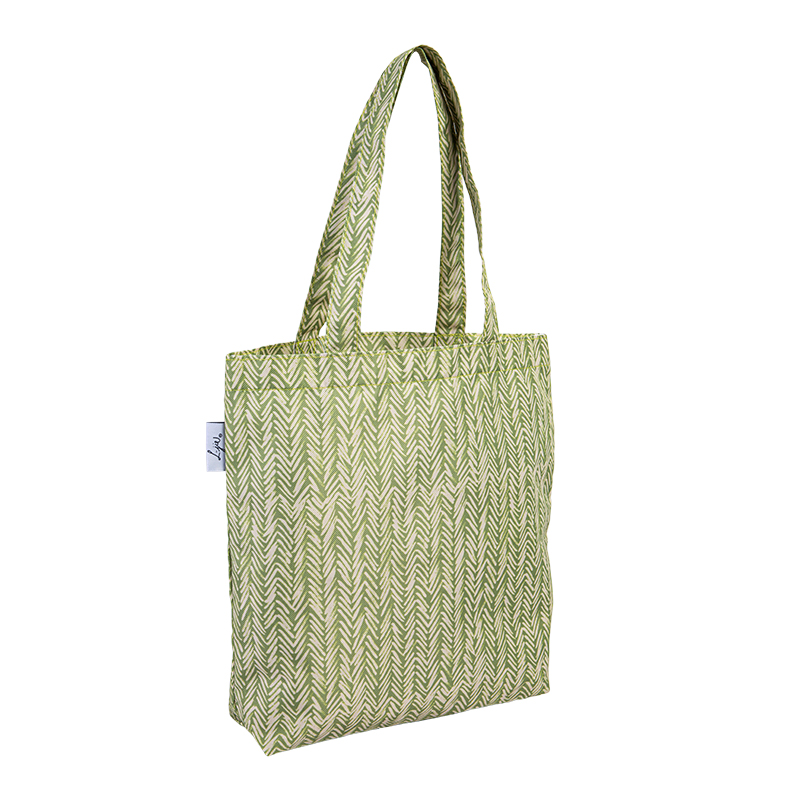 Eco-Friendly Durable Oxford Cloth Tote BagReusable everyday tote in 19.5*12*19cm Oxford cloth, water-resistant and shape-retaining with reinforced handles for groceries, books, commuting, and daily errands.View Product →
Width, height, and depth get all the attention, but handle length and drop determine how the bag feels on your shoulder. Handle length is the total length of the strap from end to end. Drop is the distance from the top edge of the bag to the top of the handle when the bag is hanging. For a hand-carried tote, a drop of 4-6 inches is comfortable. For shoulder carry, you need 8-10 inches. For crossbody or over-a-coat wear, look for 11-12 inches or an adjustable strap. Standard long handles on a medium tote are often 24-26 inches in total length, giving a drop of about 9-10 inches. Short handles are typically 14-16 inches total, with a 4-5 inch drop. If you are sourcing for a market where shoppers wear thick winter coats, err on the longer side. Handle material also matters: cotton webbing, polypropylene, and leather all have different stretch and break strengths.
Two totes can share identical exterior dimensions but feel completely different in use. Material thickness, lining, pockets, and seam construction all steal space or add structure. A 16 oz canvas tote with a heavy lining may have less usable volume than an unlined 12 oz cotton tote of the same size. A bag with a flat bottom panel and reinforced corners can carry more weight without sagging, which makes it feel larger and more reliable. If you are comparing suppliers, ask for the internal dimensions after lining and for a load test result. A typical medium tote should hold at least 15 pounds without handle failure; a large tote should handle 25 pounds or more. Also consider whether the bag needs a zipper, snap, or internal pocket—each addition changes the average size calculation because it reduces the open space.
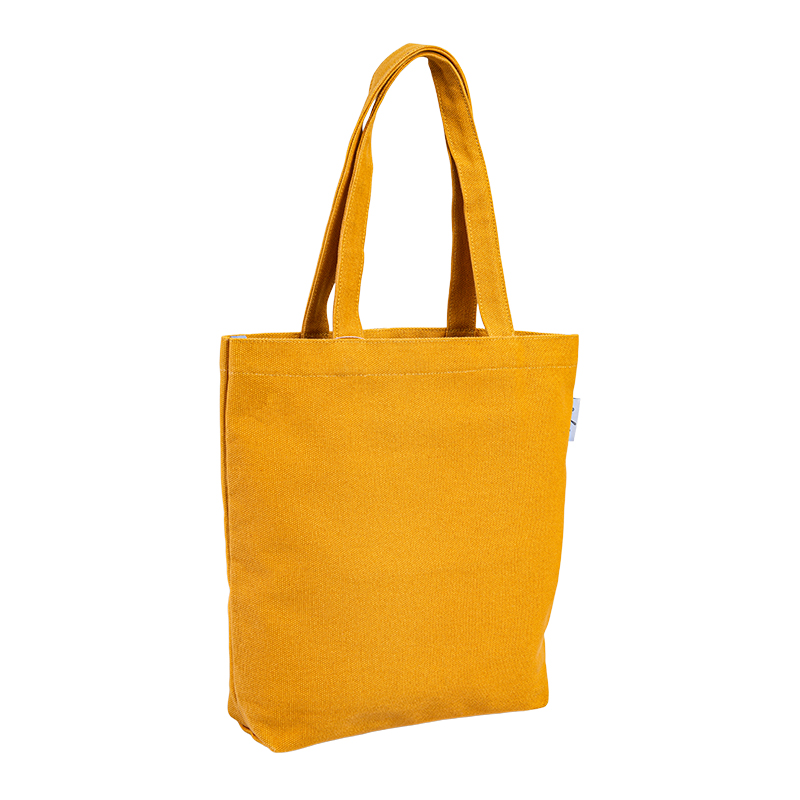 Lightweight Eco-Friendly Reusable Oxford Canvas Tote BagCompact 32*7*30.5cm reusable tote in lightweight Oxford cloth and canvas with smart organization for groceries, commuting, gym, travel, school, and errands.View Product →
Use case is the fastest way to choose a size. For grocery shopping, a large tote with a 15" W x 15" H x 5" D body and a 9-inch handle drop works well because it holds two bags of groceries and still fits in a car trunk. For a trade show giveaway, a medium tote around 14" W x 14" H x 3" D keeps printing costs low and is easy for attendees to carry all day. For a laptop commuter tote, you need a padded sleeve, so the exterior often grows to 16" W x 15" H x 4" D; the extra width accommodates a 15-inch laptop, a charger, and a notebook. For a beach or pool tote, go extra-large—20" W x 16" H x 7" D—so it can hold towels, sunscreen, and a change of clothes. Children's totes should stay small, around 10" W x 11" H x 3" D, to avoid dragging on the ground. Whatever the use, test a sample with the actual items before you commit to a production run.
For example, a foldable shopping bag can pack down to a small pouch yet open to a full-size tote.
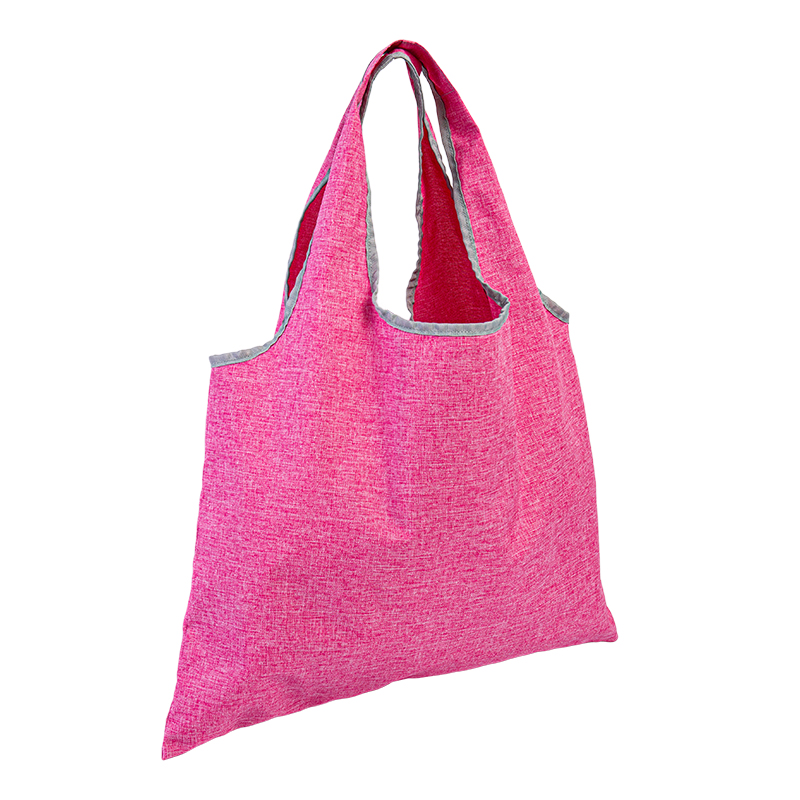 LJ24-002 Foldable Large Capacity Reusable Shopping BagReusable 50.5*39cm folding shopping bag in lightweight soft fabric, designed to collapse compact for groceries, farmers markets, storage, and travel.View Product →
When you move from average size to a purchase order, a few practical details matter. First, confirm the measurement method with your supplier—flat measurements versus filled measurements can differ by an inch or more. Second, discuss tolerances early. Soft bags are cut and sewn by hand or machine, so a plus or minus 0.25-inch tolerance is realistic; if you need plus or minus 0.125 inches for a printed panel or a fitted insert, expect higher unit costs and longer lead times. Third, ask about material shrinkage. Cotton and canvas can shrink 3-5% after washing, so a 15-inch tote might become 14.25 inches if pre-shrinking is not controlled. Fourth, consider certification and testing requirements for your market. A supplier with ISO quality management, Sedex social compliance, and experience with retail audits can help you avoid delays at the port or in the warehouse. Finally, if you need a custom size outside the average range, most manufacturers can build a sample from your drawing or reference bag. For example, Liangjie has produced totes from 10 inches to 22 inches wide for different retail programs. If you want to discuss a specific size, you can contact our team for a quote and a sample timeline. You can also read our guide to shopping bag types and sustainability for more context on materials.
The average tote bag size is a starting point, not a rule. Aim for 14-16 inches wide, 13-15 inches tall, and 4-6 inches deep for general-purpose bags, then adjust depth, handle drop, and material based on what the bag must carry. If you keep the end use in mind and communicate tolerances clearly, you will end up with a tote that feels right in the customer's hands—and that is what turns an average size into a successful product.
1. Understanding Shopping Bags Shopping bags are essential tools in modern retail and daily life. They serve as a convenient way to carry groceries, c...
View More1. Introduction In our increasingly mobile and digital world, the laptop has become the central hub of our professional and personal lives. It connect...
View MoreLearn how to choose the perfect crossbody water bottle sling bag — sizing, materials, wearing styles, packing checklist, top features to prioritize, a...
View MoreAn innovative enterprise that continuously strives to have its own brand through its own efforts. bag production factory
Phone: +86-13906735273
Tel: +86-573-85605006
Email: zhouyueliang@L-jie.com
Email: sunny@L-jie.com
Add: No.99 Xinchen Road. Xindai, Pinghu, Zhejiang, China
Copyright© 2025 Pinghu Liangjie suitcase & bag Co., Ltd. All Rights Reserved.
 Custom Luggage Bags Manufacturers


 English
 Français
 Español
 Deutsch
 عربى
عربى