 +86-573-85605006
 zhouyueliang@L-jie.com
You have just finished a canvas tote, and the only thing missing is a way to keep the contents from sliding out. A zipper solves that problem, but many sewists postpone the task because they are not sure whether to sew the zipper into the lining, install a recessed zipper panel, or simply topstitch a separating zipper to the opening. The short answer: adding a zipper to a tote bag is a manageable job on a standard home sewing machine once you decide between a recessed zipper and a lining-seam zipper. Both methods are explained below, along with the exact measurements you should use and the production considerations that matter for volume orders.
Content
The zipper you need depends on the opening width and the amount of structure you want at the top of the bag. For most standard tote bags with a 35 to 40 cm opening, a #5 coil zipper is a good default. For heavier canvas or full-grain leather, use a #8 molded or metal zipper. A standard closed-end zipper is the easiest to sew into a bag opening, while a separating zipper only makes sense if the panel opens completely, as on a jacket-style bag.
| Bag type | Opening width | Recommended zipper | Zipper length |
|---|---|---|---|
| Light cotton tote | 30–35 cm | #3 coil zipper | Opening + 2 cm |
| Standard canvas tote | 35–40 cm | #5 coil zipper | Opening + 2 cm |
| Heavy-duty work tote | 40–50 cm | #8 molded zipper | Opening + 3 cm |
Measure the finished width of the bag opening after side seams are sewn. Add 2 cm to that measurement for the zipper end allowance. If you plan to install a recessed zipper panel, the zipper length should match the width of the panel, not the full bag width, because the panel is sewn into the opening as a separate frame. A 20-inch tote opening therefore uses a 22-inch zipper, which leaves enough tape to secure the ends without pulling on the side seams.
For a recessed zipper, also called a framed zipper, you create a separate fabric panel that holds the zipper and then set that panel into the bag opening. This is the most stable method for a structured tote because the zipper is not sewn directly to the curved side seam and the weight of the zipper is carried by the panel, not by the bag edge.
Cut two rectangles from outer fabric, lining fabric, and interfacing. Each rectangle should be 2 cm wider than the zipper length and 8 cm tall. For example, if the zipper is 42 cm long, cut panels that are 44 cm wide and 8 cm tall. Fuse interfacing to the wrong side of the outer fabric pieces, then place one outer rectangle and one lining rectangle right sides together. Sew along the long top edge, press, and turn the panel right side out. Repeat for the second set. The result is a pair of zipper panels with a clean top edge.
If you prefer a simpler finish, you can sew the zipper directly into the bag lining. In that method, staystitch the bag front and back panels, then position the zipper right side up against the right side of the lining seam. The zipper sits between the outer bag fabric and the lining, and the sides of the bag are sewn afterward. This approach works better for unstructured shopping totes where a visible zipper frame is not required. For a broader overview of bag styles and their closure options, see this shopping bag guide.
The following sequence works for a recessed zipper panel and can be adapted for a direct lining installation. It assumes the tote body is already assembled and the top opening is finished. Set your machine stitch length to 2.5 mm for regular fabric and 3 mm for canvas or denim.
This is the same sequence we use when developing custom tote samples for clients, because it allows the zipper to be tested before the bag sides are sewn. If the zipper jams or the teeth catch on the lining, the panel can be replaced without re-cutting the whole bag.
The method you choose changes the look, the sewing difficulty, and the bag's internal space. A recessed zipper hides the zipper tape inside a fabric frame, giving a clean, almost invisible closure. A lining-seam zipper leaves the zipper visible at the top edge and is faster to sew, but it can make the bag more difficult to close smoothly if the opening edges are bulky.
| Factor | Recessed zipper panel | Lining seam zipper |
|---|---|---|
| Appearance | Clean, framed, flat | Visible zipper at opening |
| Sewing difficulty | Moderate | Easy |
| Fabric needed | Extra panel fabric | No extra fabric |
| Structure | Adds stiffness to the top | Keeps the bag soft |
| Best use | Work totes, laptop bags | Casual shopping totes |
For a zippered tote that will carry heavier items, the recessed panel is almost always better because it distributes the stress of opening and closing across the panel rather than through the side seams. For a lightweight reusable tote, the lining seam method saves time and reduces material cost. You can also combine the two methods: use the recessed panel at the top and install a small interior zipper pocket in the lining, which is a practical upgrade for travel totes.
Most zipper problems in tote bags come from incorrect zipper length, uneven seam allowances, or fabric catching in the teeth. These issues are easy to prevent with careful cutting and a few checks before stitching.
If you are making one tote at home, the methods above are completely manageable. But if you are a brand or buyer planning a production run, stitching zippers into tote bags requires consistent tension control, matching zipper colors, and a quality check for every unit. A bag manufacturer with experience in custom tote bags can help you select the correct zipper, create a recessed panel pattern, and test the bag with different fabric weights before you commit to bulk production.
The same construction principles apply whether you add a zipper to a simple open-top tote or to a structured work bag. When evaluating a factory, ask for a seam sample that includes the zipper panel, then open and close the zipper at least fifty times. Check that the side seams align with the zipper ends and that no lining fabric is caught in the teeth. For a production order, also confirm that the zipper pull has the same direction on every bag and that the panel dimensions match the approved sample within a 1 mm tolerance.
If your next project will be a reusable tote with a zipper closure, consider starting from a proven base model that can be customized with a zipper and branded details.
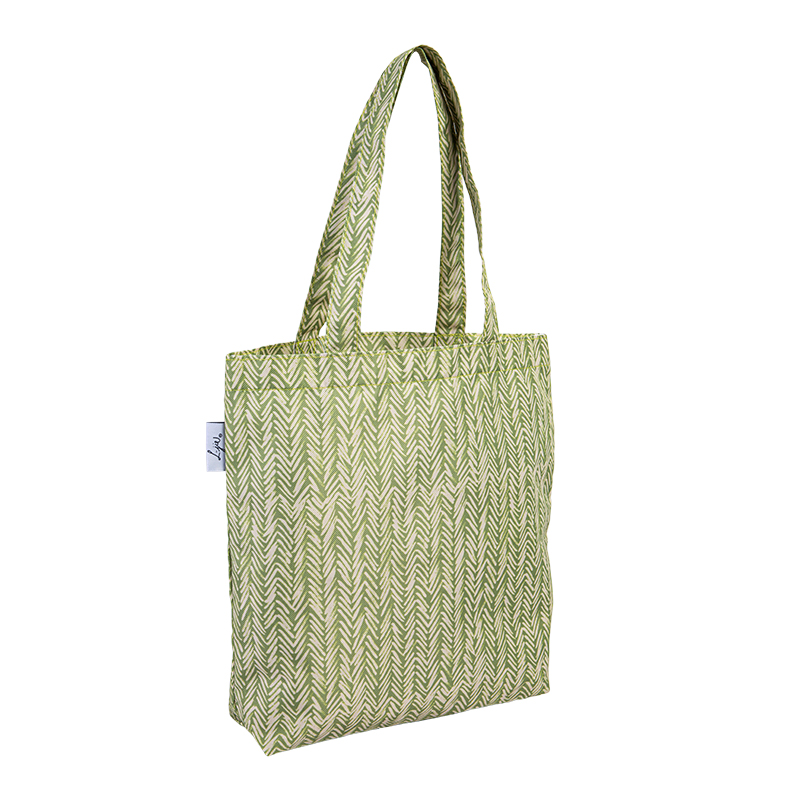 Eco-Friendly Durable Oxford Cloth Tote Bag with Zipper OptionThis sturdy Oxford cloth tote offers water resistance and generous capacity, making it a practical base for customizing with a zipper closure and branded details for your next reusable bag project.View Product →
 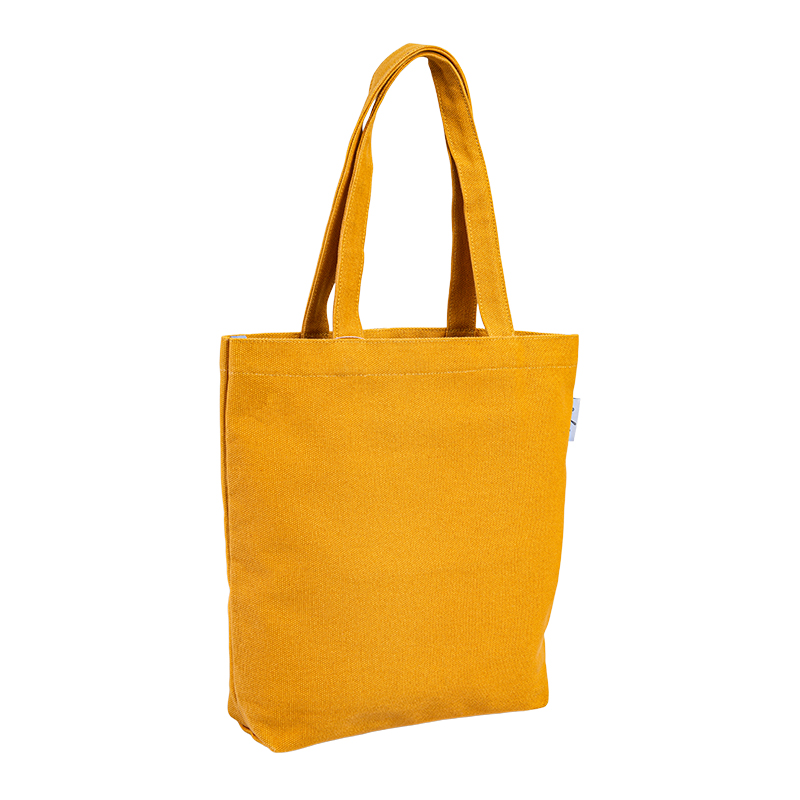 Lightweight Eco-Friendly Reusable Tote Bag for Everyday UseMade from breathable Oxford and canvas, this compact tote provides ample storage and easy organization. It suits a zipper-customized reusable bag project while supporting sustainable daily habits.View Product →
1. Understanding Shopping Bags Shopping bags are essential tools in modern retail and daily life. They serve as a convenient way to carry groceries, c...
View More1. Introduction In our increasingly mobile and digital world, the laptop has become the central hub of our professional and personal lives. It connect...
View MoreLearn how to choose the perfect crossbody water bottle sling bag — sizing, materials, wearing styles, packing checklist, top features to prioritize, a...
View MoreAn innovative enterprise that continuously strives to have its own brand through its own efforts. bag production factory
Phone: +86-13906735273
Tel: +86-573-85605006
Email: zhouyueliang@L-jie.com
Email: sunny@L-jie.com
Add: No.99 Xinchen Road. Xindai, Pinghu, Zhejiang, China
Copyright© 2025 Pinghu Liangjie suitcase & bag Co., Ltd. All Rights Reserved.
 Custom Luggage Bags Manufacturers


 English
 Français
 Español
 Deutsch
 عربى
عربى