 +86-573-85605006
 zhouyueliang@L-jie.com
Carrying groceries in one hand and a phone in the other is a small test of patience. The bag that solves it most often is not complicated: two handles, one roomy opening, and enough durability to hold what the day throws at it. That is the tote bag in practical terms. It is not a seasonal trend, and it is not limited to the beach or the farmers market. A well-made tote is one of the most functional carry solutions available, and once you know what to look for, choosing one becomes a much safer bet.
Content
A tote bag is commonly described as a large, open-top bag with two parallel handles attached to the side seams. The word "tote" has been used in English for centuries to mean carrying or hauling, and the name stuck when simple canvas carriers became popular in the mid-twentieth century. The structure is deliberately simple: a front panel, a back panel, and a base that may be folded or gusseted to create extra volume. There is usually no zipper across the main opening, although some styles add one for security. The defining feature is the carrying style: you lift it by the handles, place it over your shoulder, or hold it close to your body while you move.
The reason tote bags keep appearing in so many settings comes down to a simple engineering advantage. They maximize interior volume with minimal structure, which means they are lightweight when empty, easy to store, and relatively affordable to produce at high quality. They also work across contexts. The same basic shape can hold textbooks, hardware, fresh produce, wet swimwear, or a laptop in a padded sleeve. This flexibility makes the tote a natural first choice for brands that want one product to serve multiple routines. The practical impact is visible: fewer bags to own, less time spent transferring items, and a carry option that does not require careful packing or complicated straps.
The single biggest factor in tote bag performance is material. A cotton canvas tote feels comfortable and softens over time, but it might be too heavy when wet. A polyester or oxford weave is lighter, resists water, and keeps its shape better. Jute and non-woven materials are common for low-cost eco-friendly giveaways, while leather adds structure and a more refined look. The table below summarizes what each material does well and where it belongs.
| Common tote bag materials and what each one handles best. | ||
| Material | Key Traits | Best For |
| Canvas / Cotton | Heavyweight woven cotton, machine washable, softens with use | Daily carry, shopping, custom branding |
| Polyester / Oxford | Lightweight, water-resistant, quick-drying, holds shape | Shopping bags, outdoor totes |
| Jute / Burlap | Natural fibers, coarse texture, compostable | Farmers markets, promotional events |
| Leather | Structured, premium look, long lifespan, needs care | Work, commuter, fashion totes |
| Recycled / Non-woven PP | Affordable, water-resistant, lightweight | Retail giveaways, trade show bags |
Beyond the outer fabric, look at the handles and the stitching. The most common point of failure on an inexpensive tote is where the handle meets the body. A double row of stitching, a box stitch at the stress point, or a reinforced webbing handle will survive far longer than a simple single stitch. Fabric weight matters too; a flimsy bag with a pretty print can still tear under a modest load, so the material and the seam quality are what separate a promotional novelty from a genuine everyday bag.
Not every tote is meant for the same job. The main differences are the material, the dimensions, and added details such as pockets, pads, or insulation.
The most common tote is the open-format shopping companion. It is made to take weight: canned goods, books, and other dense items. For this use, a sturdy oxford cloth or canvas body with short, strong handles performs best because it gives you control when the load is heavy.
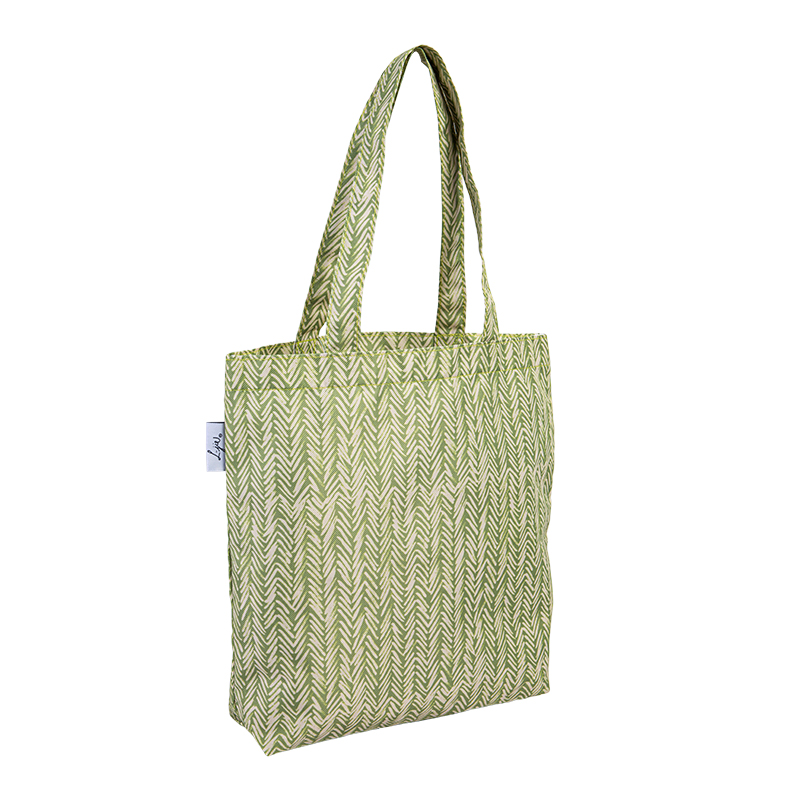 Eco-Friendly Oxford Cloth Tote Bag for Heavy LoadsThis sturdy oxford cloth tote is built for carrying dense items like groceries and books. Its reinforced handles and water-resistant fabric make it a reliable open-format shopping companion.View Product →
When space is limited, a foldable tote that tucks into a small pouch is the practical choice. You can keep one in a car, in a desk drawer, or in the side pocket of a backpack and still have room for an unplanned shopping stop. These bags trade some rigidity for portability, which is an acceptable swap when the bag is a backup rather than a primary carry.
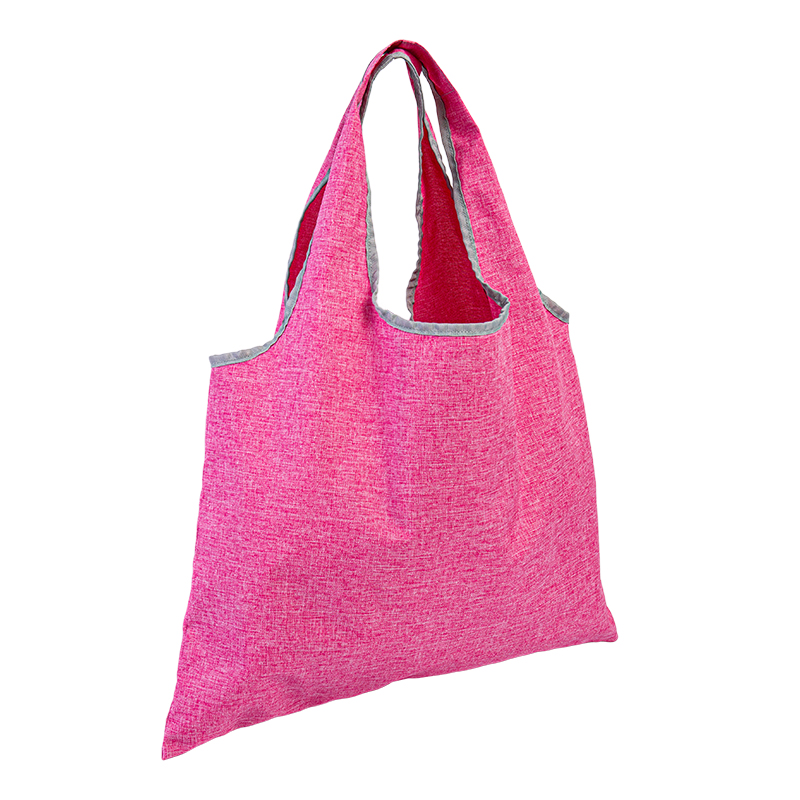 Foldable Large-Capacity Shopping Bag for Easy StorageWhen space is limited, this foldable tote tucks into a compact size for storage in a car or backpack. Its lightweight fabric and large capacity suit unplanned shopping trips.View Product →
An insulated tote adds a layer of temperature control for groceries, packed lunches, or takeout. The interior foil or padded lining helps keep cold items cold and hot items hot for a reasonable amount of time, and the waterproof lining makes spills easier to clean. This style usually has a zipper or a flap at the top to limit heat exchange.
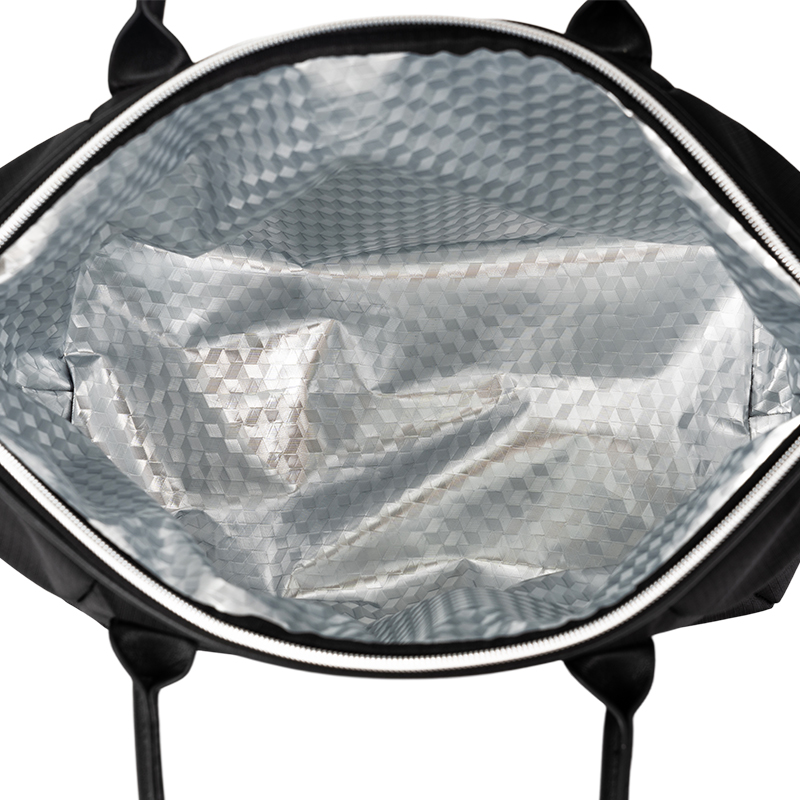 Insulated Thermal Tote for Temperature-Sensitive ItemsWith thermal pearl cotton and a PEVA lining, this insulated tote keeps groceries and packed lunches at the right temperature. Its waterproof interior simplifies spill cleanup, ideal for commutes or outings.View Product →
At the other end of the spectrum are structured totes designed for commuters and travellers. These usually include a padded laptop compartment, a slot for documents, and sometimes a trolley sleeve that slides over a suitcase handle. They weigh more than a plain canvas tote, but they keep a laptop or tablet protected and make boarding or daily commuting easier.
Whether you are buying a single bag for personal use or ordering a few thousand for a company promotion, the same physical details decide how well the bag performs. Use the list below as a simple checklist.
Each item on this list has a direct effect on how the bag feels during a normal week. A tote with a soft base and thin handles might look fine in a photo but sag under a laptop. A zipper closure adds security but also adds weight and cost. Knowing these trade-offs before purchase prevents most disappointment.
As a bag factory with more than two decades of production experience, we see the tote as one of the most customization-friendly formats available. The large flat surface provides a clear canvas for screen printing, heat transfer, embroidery, and woven labels. The simple construction means production can scale quickly, and the material can be chosen to match both the budget and the intended use. Because we control our own production line and work with long-term partner workshops, we can adjust materials, print methods, and finishing details without losing delivery pace. This is why retailers, brands, event organizers, and even corporate gifting programs order totes in large volumes. For buyers who want a broader comparison of reusable carry options, our shopping bag types and sustainability guide covers how tote bags fit into the wider category.
The right tote bag is not hard to identify once you focus on fabric, construction, and how the handles are attached. Those three elements determine whether the bag becomes a daily workhorse or a quickly forgotten giveaway. Tote bags have lasted this long because the design is simple and the usefulness is immediate. If you are sourcing totes for your own brand, working directly with a factory gives you control over material selection, print quality, and lead time. Our contact page is open for questions, and we are happy to talk through samples, sizes, and production schedules.
1. Understanding Shopping Bags Shopping bags are essential tools in modern retail and daily life. They serve as a convenient way to carry groceries, c...
View More1. Introduction In our increasingly mobile and digital world, the laptop has become the central hub of our professional and personal lives. It connect...
View MoreLearn how to choose the perfect crossbody water bottle sling bag — sizing, materials, wearing styles, packing checklist, top features to prioritize, a...
View MoreAn innovative enterprise that continuously strives to have its own brand through its own efforts. bag production factory
Phone: +86-13906735273
Tel: +86-573-85605006
Email: zhouyueliang@L-jie.com
Email: sunny@L-jie.com
Add: No.99 Xinchen Road. Xindai, Pinghu, Zhejiang, China
Copyright© 2025 Pinghu Liangjie suitcase & bag Co., Ltd. All Rights Reserved.
 Custom Luggage Bags Manufacturers


 English
 Français
 Español
 Deutsch
 عربى
عربى