 +86-573-85605006
 zhouyueliang@L-jie.com
Content
Canvas is a heavy-duty plain-woven fabric traditionally made from cotton, linen, or hemp — and increasingly from synthetic fibers such as polyester. Its defining characteristic is a tight, durable weave that produces a stiff, robust surface capable of withstanding significant stress. The fabric typically weighs between 8 oz and 20 oz per square yard, with heavier weights used in industrial and outdoor applications and lighter weights favored for bags, apparel, and art.
Canvas is broadly divided into two categories: plain canvas and duck canvas. Plain canvas uses a single yarn in both the warp and weft directions, while duck canvas (also called cotton duck) employs a double yarn in the warp, resulting in an even tighter, more resilient surface. Both types share the hallmark qualities that have made canvas a globally traded textile for centuries: breathability, dimensional stability, and resistance to tearing.
Modern canvas production often incorporates surface treatments to enhance performance. Common finishes include:
Few textiles match canvas in the breadth of their application. Its unique combination of strength, workability, and affordability has secured its place across industries ranging from fine art to heavy manufacturing.
Canvas has been the dominant painting surface in Western art since the 16th century, replacing wooden panels due to its lighter weight and flexibility. Stretched and gesso-primed cotton or linen canvas remains the professional standard for oil and acrylic painting. In commercial contexts, canvas is widely used for fine-art reproduction prints, wall décor, and photographic enlargements.
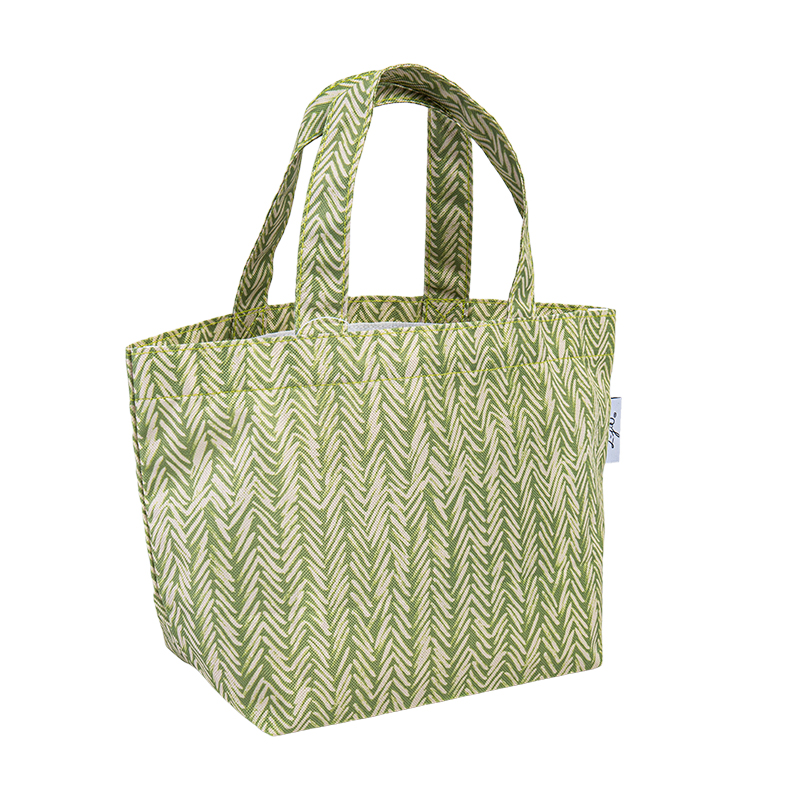
The canvas tote bag is one of the most commercially significant canvas products today. Global demand for reusable canvas bags has grown sharply in response to single-use plastic restrictions across the EU, UK, and dozens of other markets. Beyond totes, canvas is used for backpacks, duffel bags, messenger bags, and high-end fashion items — prized for its printability, structural rigidity, and sustainable sourcing credentials.
Treated canvas remains a material of choice for boat sails, awnings, tents, tarps, and outdoor furniture covers. Its ability to accept waterproofing treatments while maintaining breathability gives it advantages over fully synthetic alternatives in applications where condensation management matters.
Lightweight canvas — typically 8 oz to 10 oz cotton — is used extensively in casual footwear uppers, workwear jackets, and uniform garments. Its breathability, dyeability, and ease of sewing make it practical for high-volume apparel manufacturing.
Heavy canvas (14 oz and above) is used for military duffels, equipment covers, protective aprons, and industrial storage systems. Its tensile strength and resistance to abrasion make it suitable for environments where synthetic alternatives may fail under friction or puncture stress.
| Application | Typical Weight | Common Fiber | Key Requirement |
| Artist canvas | 8–12 oz | Cotton / Linen | Surface smoothness, priming |
| Tote bags | 10–14 oz | Cotton | Printability, durability |
| Awnings / sails | 12–18 oz | Cotton / Polyester | UV & water resistance |
| Industrial covers | 16–20 oz | Cotton Duck | Tensile strength, abrasion resistance |
The plain surface of a canvas tote bag is one of its greatest commercial and creative assets. Its tight weave accepts a wide range of decorating methods, from simple DIY techniques to industrial-scale printing processes. Choosing the right method depends on order volume, design complexity, required durability, and budget.
Screen printing is the most widely used method for decorating canvas tote bags at scale. Ink is pushed through a mesh screen onto the fabric, producing bold, opaque colors with excellent wash durability. It is most cost-effective for runs of 50 units or more, where setup costs are distributed across the order. Spot-color designs with flat graphics are ideal candidates; photorealistic images require multiple screens and higher costs.
Heat transfer printing applies a pre-printed design to canvas using heat and pressure. It suits short runs and highly detailed or full-color artwork. Sublimation printing — which bonds dye directly into the fiber at a molecular level — delivers photographic quality but works best on polyester-blend canvas rather than 100% cotton, as natural fibers do not absorb sublimation dyes effectively.
DTG uses modified inkjet technology to print directly onto the canvas surface. It is well-suited for on-demand decoration with no minimum order quantities, making it a practical choice for promotional samples, limited editions, and personalized products. Print durability on canvas is good but generally lower than screen printing over many wash cycles.
Machine embroidery adds a premium tactile quality to canvas tote bags and is widely used for corporate branding, luxury retail, and high-end promotional goods. Logos with clean lines and limited color palettes convert most effectively to embroidery. The technique adds weight and slight stiffness to the decorated area but delivers exceptional durability — embroidered designs typically outlast the bag itself.
For artisan, craft, and small-batch markets, block printing using fabric-safe ink pads or textile paint offers a distinctive hand-made aesthetic. The slight irregularity of hand-applied prints is a valued quality cue in markets where authenticity and craft are part of the product story. Fabric ink must be heat-set by ironing or oven curing to achieve wash resistance.
The table below summarizes key factors to consider when selecting a canvas tote bag decorating method for B2B or wholesale applications:
| Method | Min. Order | Color Range | Durability | Best For |
| Screen Printing | 50+ | Spot colors | 11111 | Bulk promotional orders |
| Heat Transfer | 1+ | Full color | 111 | Short runs, complex art |
| DTG | 1+ | Full color | 111 | On-demand, personalized |
| Embroidery | 12+ | Thread palette | 11111 | Premium branding |
| Block Printing | 1+ | Limited | 111 | Artisan / craft market |
Canvas has experienced a measurable resurgence in global markets driven by sustainability legislation and consumer preference shifts. In the EU, the Single-Use Plastics Directive has accelerated adoption of reusable textile bags across retail, grocery, and food service sectors. Cotton canvas totes are now a standard procurement item for brand merchandising, corporate gifting, and retail packaging across Europe, North America, and East Asia.
From a sourcing perspective, canvas made from organic or recycled cotton commands a growing market premium. Buyers in Western markets increasingly request certifications such as GOTS (Global Organic Textile Standard) or OEKO-TEX Standard 100 to verify fiber origin and chemical safety. Suppliers who can offer certified canvas textile material with flexible decorating options are well-positioned in the current procurement environment.
Canvas also benefits from longevity as a value argument. A well-constructed 12 oz cotton tote bag used regularly can remain functional for five or more years, making its lifecycle environmental footprint significantly lower than disposable alternatives on a per-use basis. This durability narrative resonates strongly with corporate sustainability buyers and retail consumers alike.
1. Understanding Shopping Bags Shopping bags are essential tools in modern retail and daily life. They serve as a convenient way to carry groceries, c...
View More1. Introduction In our increasingly mobile and digital world, the laptop has become the central hub of our professional and personal lives. It connect...
View MoreLearn how to choose the perfect crossbody water bottle sling bag — sizing, materials, wearing styles, packing checklist, top features to prioritize, a...
View MoreAn innovative enterprise that continuously strives to have its own brand through its own efforts. bag production factory
Phone: +86-13906735273
Tel: +86-573-85605006
Email: zhouyueliang@L-jie.com
Email: sunny@L-jie.com
Add: No.99 Xinchen Road. Xindai, Pinghu, Zhejiang, China
Copyright© 2025 Pinghu Liangjie suitcase & bag Co., Ltd. All Rights Reserved.
 Custom Luggage Bags Manufacturers


 English
 Français
 Español
 Deutsch
 عربى
عربى