 +86-573-85605006
 zhouyueliang@L-jie.com
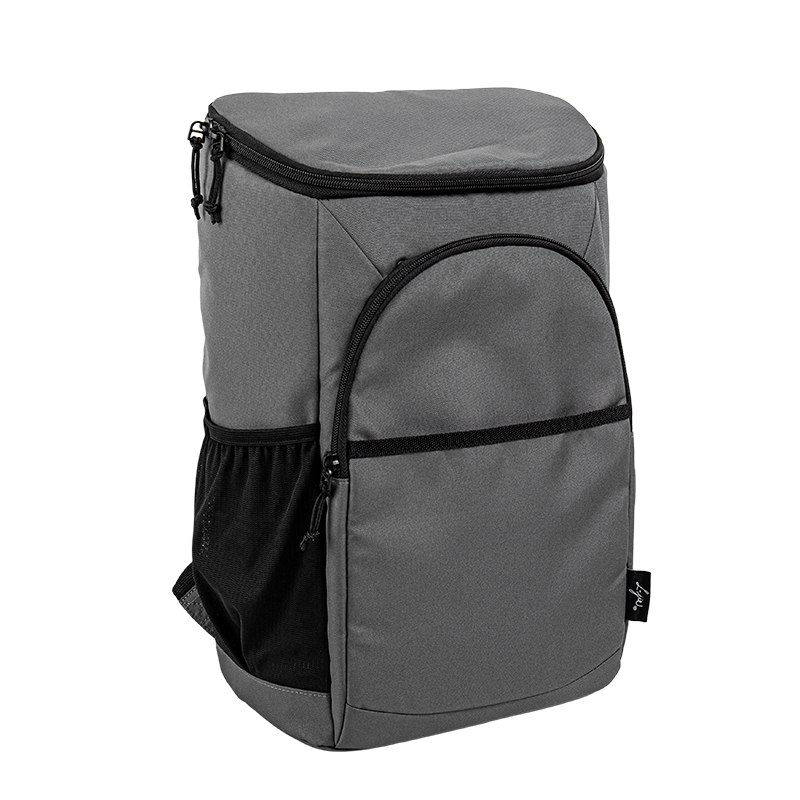
Cooler bags provide a portable, flexible solution for temperature-controlled storage, bridging the gap between rigid hard-sided coolers and simple insulated lunch boxes. Unlike traditional hard-shell coolers, which are bulky and heavy, cooler bags are lightweight, collapsible, and easy to store when not in use. They rely on advanced insulation materials and reflective linings to maintain internal temperatures, keeping food and beverages cold for extended periods. For commuters, outdoor enthusiasts, and parents, selecting the right cooler bag ensures that perishables remain safe and refreshing without the inconvenience of carrying a heavy plastic box.
The effectiveness of a cooler bag is determined by its construction quality, specifically the thickness and type of insulation used. High-quality models utilize closed-cell foam or multi-layer reflective barriers that can keep contents cold for 12 to 24 hours when properly packed with ice packs. Understanding the thermal dynamics and material choices helps consumers choose a bag that meets their specific duration and capacity requirements, ensuring optimal performance for picnics, grocery runs, or daily commutes.
Content
The core function of any cooler bag is thermal resistance. Manufacturers use various materials to create a barrier against heat transfer, each with distinct advantages regarding weight, flexibility, and cooling duration.
Most standard cooler bags use polyethylene or EVA (Ethylene-Vinyl Acetate) foam. This closed-cell foam traps air pockets, slowing down heat conduction. The thickness of the foam directly correlates to performance; a bag with 5mm to 8mm of foam will significantly outperform a thin 2mm liner. Foam is lightweight and provides some structural cushioning, protecting contents from minor impacts.
Premium cooler bags often feature an inner lining made of aluminum foil or metallized film. This layer reflects radiant heat away from the interior, enhancing the effectiveness of the foam insulation. Some high-end models use multi-layer insulation (MLI) similar to space blankets, which can reduce heat gain by up to 30% compared to non-reflective counterparts. This technology is particularly effective in direct sunlight, such as during beach trips or outdoor sports events.
| Material | Weight | Flexibility | Ice Retention |
|---|---|---|---|
| Thin Foil Lining | Very Light | High | Low (2-4 Hours) |
| EVA Foam (5mm) | Light | Medium | Medium (8-12 Hours) |
| Multi-Layer + Foam | Moderate | Low | High (12-24+ Hours) |
Beyond insulation, the practical design of a cooler bag determines its ease of use and durability. Key features such as zipper quality, handle comfort, and leak-proofing are critical for a positive user experience.
As ice melts, water accumulation is inevitable. High-quality cooler bags feature seamless inner linings or welded seams to prevent leaks. Some models include a removable, waterproof liner that can be taken out for easy cleaning. Look for bags with reinforced corners and sturdy zippers that can withstand the pressure of expanded contents without bursting. A leak-proof design protects car interiors and backpacks from water damage.
One of the main advantages of cooler bags is their portability. Many designs include padded shoulder straps, backpack-style straps, or multiple handles for versatile carrying options. For urban commuters, a slim, upright design fits easily into bicycle baskets or under office desks. When empty, these bags can be folded flat, occupying minimal storage space in kitchens or car trunks, unlike rigid coolers that require dedicated shelf space.
Even the best cooler bag requires proper packing techniques to achieve maximum ice retention. Users can extend cooling times significantly by following scientific principles of thermodynamics.
Proper maintenance extends the lifespan of cooler bags and prevents bacterial growth. Food spills and melted ice can create odors and mold if not addressed promptly.
After each use, wipe the interior with a mild soap solution and a damp cloth. Avoid harsh abrasives that can damage the reflective lining. Leave the bag open to air dry completely before storing to prevent mildew. For stubborn stains or odors, a mixture of baking soda and water can be used as a gentle deodorizer. Regularly inspect zippers and seams for wear, repairing minor tears with waterproof tape to maintain insulation integrity.
1. Understanding Shopping Bags Shopping bags are essential tools in modern retail and daily life. They serve as a convenient way to carry groceries, c...
View More1. Introduction In our increasingly mobile and digital world, the laptop has become the central hub of our professional and personal lives. It connect...
View MoreLearn how to choose the perfect crossbody water bottle sling bag — sizing, materials, wearing styles, packing checklist, top features to prioritize, a...
View MoreAn innovative enterprise that continuously strives to have its own brand through its own efforts. bag production factory
Phone: +86-13906735273
Tel: +86-573-85605006
Email: zhouyueliang@L-jie.com
Email: sunny@L-jie.com
Add: No.99 Xinchen Road. Xindai, Pinghu, Zhejiang, China
Copyright© 2025 Pinghu Liangjie suitcase & bag Co., Ltd. All Rights Reserved.
 Custom Luggage Bags Manufacturers


 English
 Français
 Español
 Deutsch
 عربى
عربى