 +86-573-85605006
 zhouyueliang@L-jie.com
Content
Recycled polyester fabric — commonly known as rPET (recycled polyethylene terephthalate) — is a synthetic textile made by collecting post-consumer plastic waste, most often PET plastic bottles and discarded polyester garments, and reprocessing them into new polyester fibers.
The production process involves several stages: used plastic bottles are collected, sorted, and cleaned; they are then crushed into small flakes, melted down, and extruded through fine spinnerets to form continuous filament fibers. These fibers are spun, woven, or knitted into fabric — functionally identical to virgin polyester, but with a significantly lower environmental footprint.
From a sustainability standpoint, the impact is meaningful. Manufacturing rPET consumes up to 59% less energy than producing virgin polyester from petroleum, and it keeps plastic waste out of landfills and oceans. A single tote bag made from recycled polyester canvas can divert the equivalent of 3 to 10 plastic bottles from the waste stream. For brands and buyers looking to meet corporate sustainability goals or respond to growing eco-conscious consumer demand, rPET is among the most practical and scalable materials available today.
Not all recycled materials are equal in performance, and rPET stands out precisely because its properties align with what canvas bag applications demand most. Here is how recycled polyester canvas compares against conventional cotton canvas across key performance dimensions:
| Property | Recycled Polyester Canvas | Standard Cotton Canvas |
|---|---|---|
| Durability | High — tear and abrasion resistant | Good — but degrades faster with moisture |
| Water Resistance | Naturally water-repellent | Absorbs moisture unless treated |
| Weight | Lighter for equivalent strength | Heavier, especially when wet |
| Shape Retention | Excellent — resists stretching under load | Can deform over time |
| Drying Speed | Dries quickly | Slow to dry |
| Mildew Resistance | High | Moderate — prone to mildew if stored damp |
| Sustainability | Made from post-consumer plastic waste | Requires significant water and land use |
For everyday carry — grocery shopping, commuting, outdoor markets, trade show giveaways — recycled polyester canvas delivers a combination of structural stability and low maintenance that is difficult to match. Its tight woven structure also provides an excellent printing surface, making it well-suited for screen printing and heat transfer customization. For a deeper look at how canvas fabrics are selected and decorated for B2B applications, see our guide on canvas tote bag materials and decorating methods.
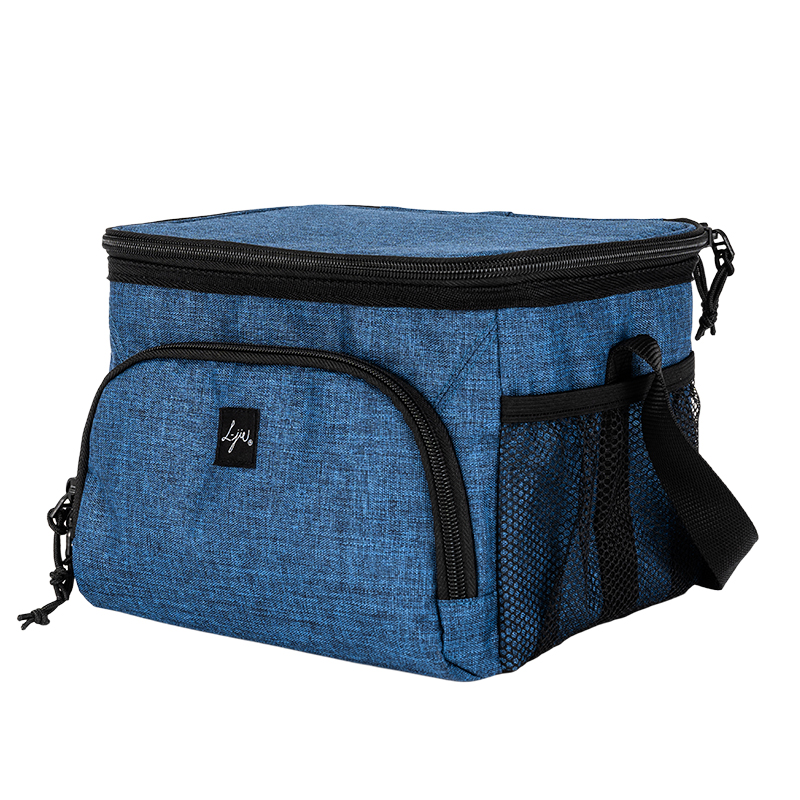
One of the practical advantages of recycled polyester canvas is that it is genuinely easy to clean. Unlike non-woven polypropylene or laminated bags, rPET canvas handles regular washing without significant degradation — provided a few basic guidelines are followed.
Machine Washing (Recommended for most rPET canvas bags)
Hand Washing (Preferred for bags with detailed screen prints or embellishments)
Spot Cleaning (For light stains between full washes)
Dampen a clean cloth with cold water and a drop of detergent. Blot — do not rub — the stained area. For persistent odors, a diluted solution of equal parts white vinegar and water applied and rinsed thoroughly is effective and safe for rPET fabrics.
Recycled polyester canvas bags are built to last, but the way they are stored and used between washes has a direct impact on how long they remain in good condition. A few consistent habits will keep your bag performing like new for years.
For businesses, retailers, and brand managers sourcing promotional or retail bags, recycled polyester canvas offers an important advantage beyond its physical properties: it is a credible, verifiable sustainability story that resonates with today's consumers and procurement teams alike.
At Liangjie, we manufacture recycled polyester canvas bags for wholesale buyers across Japan, Europe, and North America. Our production process applies rPET canvas to a wide range of bag formats — from standard tote bags and reusable grocery bags to structured carry bags for retail environments. Custom printing (screen print, heat transfer, and embroidery) is fully compatible with our rPET canvas, and all printed designs are tested for wash durability to ensure they hold through regular machine washing cycles.
We also produce a full range of related carry formats, including custom backpacks and insulated cooler bags, many of which are available in recycled polyester constructions for buyers seeking consistent sustainability credentials across their product range.
Minimum order quantities, sample requests, and custom specifications are available on request. With over 20 years of manufacturing experience and annual output exceeding 3 million bags, Liangjie has the capacity and quality systems — including ISO, Sedex, and Japan Aeon certifications — to support both small brand launches and large retail programs.
1. Understanding Shopping Bags Shopping bags are essential tools in modern retail and daily life. They serve as a convenient way to carry groceries, c...
View More1. Introduction In our increasingly mobile and digital world, the laptop has become the central hub of our professional and personal lives. It connect...
View MoreLearn how to choose the perfect crossbody water bottle sling bag — sizing, materials, wearing styles, packing checklist, top features to prioritize, a...
View MoreAn innovative enterprise that continuously strives to have its own brand through its own efforts. bag production factory
Phone: +86-13906735273
Tel: +86-573-85605006
Email: zhouyueliang@L-jie.com
Email: sunny@L-jie.com
Add: No.99 Xinchen Road. Xindai, Pinghu, Zhejiang, China
Copyright© 2025 Pinghu Liangjie suitcase & bag Co., Ltd. All Rights Reserved.
 Custom Luggage Bags Manufacturers


 English
 Français
 Español
 Deutsch
 عربى
عربى