 +86-573-85605006
 zhouyueliang@L-jie.com
Every plain canvas bag raises the same question: what do I put on it? Whether it is a promotional tote from a trade show or a blank one from a craft store, the decorating method you choose decides how good the design looks, how long it lasts, and how much effort it takes. The short version is this: choose a well-constructed bag, prepare the fabric, match the technique to the canvas weight, and seal the design before regular use. Do those four things and your decorated tote will look sharp for years.
Content
Canvas is one of the most forgiving fabrics to decorate because of its plain weave and natural absorbency. Cotton or cotton-polyester canvas gives paint, ink, and adhesives plenty of fiber to grip, which is why fabric paint, iron-on vinyl, and embroidery all stay put on canvas while the same materials slide off smooth polyester.
Fabric weight is the main variable. Lightweight canvas around 8 ounces per square yard feels soft but wrinkles under heavy decoration. Medium-weight canvas between 10 and 14 ounces keeps the surface flat, holds heat well for iron-on applications, and survives daily use. For most tote projects, 10 to 12 ounces is the practical sweet spot.
Before you decorate, confirm that the bag itself is ready. The safest choice is a pre-washed, tightly woven bag with solid seams and reinforced handles:
The fastest way to avoid frustration is to start with a clean, flat front panel and solid construction. Whether you are painting a logo, pressing a patch, or stitching a monogram, the base decides the result. For a stable, ready-to-decorate surface, this eco-friendly durable oxford cloth tote bag provides a tight weave and sturdy handles, so the time you invest goes into the design rather than into repairing a flimsy base.
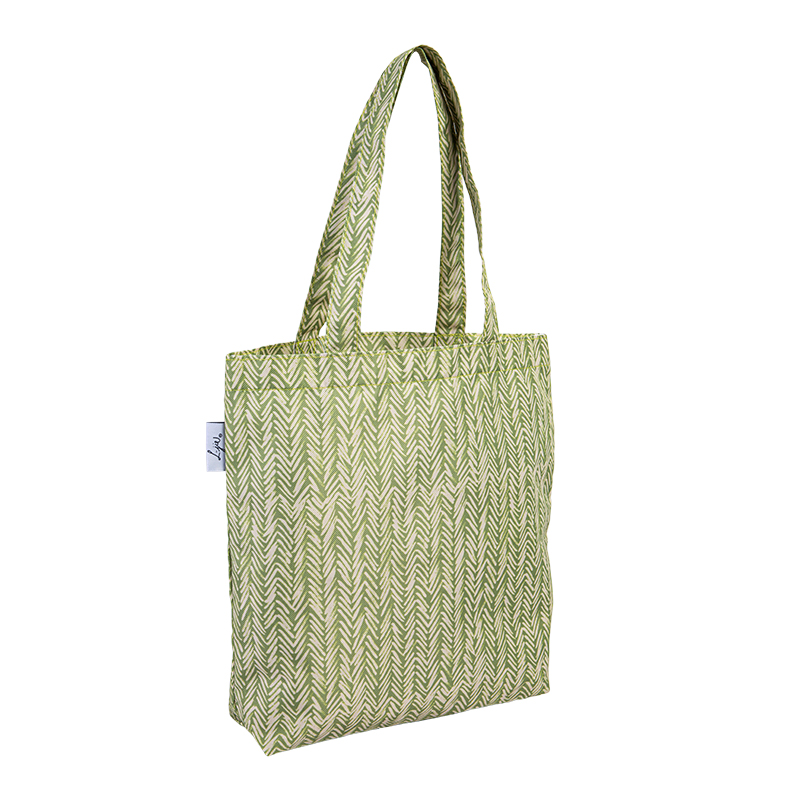 Eco-friendly durable oxford cloth tote bag Suppliers, Custom Company - Pinghu LiLiangjie is top China Wholesale Eco-friendly durable oxford cloth tote bag suppliers and company, details: Material: Environmentally frie...View Product →
If you have never decorated a canvas bag, or if an earlier attempt faded and peeled, the methods below cover the range from quick no-sew options to handcrafted techniques. Each one works best when matched to the right design and aftercare routine.
Fabric paint is the most direct way to add color. Squirt a small amount onto a paper plate, position a stencil, and dab the paint through with a foam brush or sponge. Apply thin coats rather than a single thick layer, because thick paint cracks when the fabric bends. Once the paint dries, heat-set it by ironing the inside of the bag on medium with a pressing cloth for about three minutes. That step separates a design that lasts from one that washes out in the first cycle.
Iron-on patches are the fastest no-sew method, and they work especially well on mid-weight canvas. Preheat the bag to remove wrinkles, position the patch, and press with firm, even pressure for the time stated on the package. Then flip the bag and press again from the back to anchor the adhesive fully.
Heat transfer vinyl (HTV) offers more creative freedom because you can cut custom letters and shapes with a cutting machine. Place a hard, flat surface such as a cutting mat under the bag, press the vinyl with medium heat, and peel the carrier while it is warm. The result is crisp, flexible, and machine-washable.
Decoupage turns a canvas tote into a collage surface. Apply a fabric-safe decoupage medium to the area, lay down printed cotton fabric or decorative paper, and smooth it outward to push out air bubbles. After the first coat dries, add two more layers on top to seal the design.
Thin, tightly woven cotton fabric is the most reliable material for this technique because it flexes with the bag. Heavy cardstock or glossy paper will wrinkle and crack at the fold lines. If your design covers the center of the bag, test how the bag flexes before committing, because that area bends the most when you carry items.
Embroidery adds texture that paint cannot replicate. Stretch the bag fabric over an embroidery hoop to keep tension even, mark the design with a water-soluble fabric pen, and stitch with three to six strands of embroidery floss. Cross-stitch works particularly well on canvas because the weave gives you a natural grid to count stitches against.
Keep the back neat with a small piece of felt or iron-on interfacing, and hand wash the bag to protect the stitches. Embroidery is the most time-intensive method on this list, but it is also the most durable; a well-made embroidered design can outlast the bag itself.
For a one-of-a-kind tote, tie-dye is the boldest option. Fold or scrunch the bag, secure it with rubber bands, dampen the fabric with a soda ash solution, and apply fiber-reactive dye. Wrap the bag in plastic for six to eight hours, then rinse until the water runs clear.
On colored canvas, a bleach technique creates a lighter, controlled fade. Sponge a dilute bleach solution onto the fabric, watch it lift the color, then rinse immediately and neutralize with a water and vinegar mix. Wear gloves and work in a ventilated area; never leave bleach on untreated canvas for more than a few minutes.
Decoration is complete only when the design is sealed. The table below compares the five methods by wash resistance, time investment, and the skill they require.
| Method | Wash Resistance | Time Required | Skill Level |
|---|---|---|---|
| Fabric paint with stencil | High when heat-set | 30-60 minutes | Beginner |
| Iron-on patch / HTV | High with firm pressing | 10-20 minutes | Beginner |
| Decoupage | Medium; hand wash recommended | 1-1.5 hours | Intermediate |
| Embroidery | Very high; hand wash recommended | 2-4 hours | Intermediate |
| Tie-dye | High after proper rinsing | 6-8 hours total | Beginner to intermediate |
Aftercare is where most decorated bags fail. Follow this order:
Where you place the design matters as much as which method you use. Mark the center of the front panel, and keep the design at least 2 centimeters away from seams; the extra thickness of a seam makes paint pool and patches lift. On a bag that will carry heavy items, keep the decoration on the upper half of the panel, where the fabric bends less.
Match the technique to the bag's daily role. A light bag that gets folded and packed needs a flexible decoration, because heavy layers of paint or paper will crack under repeated folding. The solid reusable foldable large-capacity folding shopping bag is designed for packing and unpacking, so iron-on vinyl and small stencils are better suited to it than rigid decoupage.
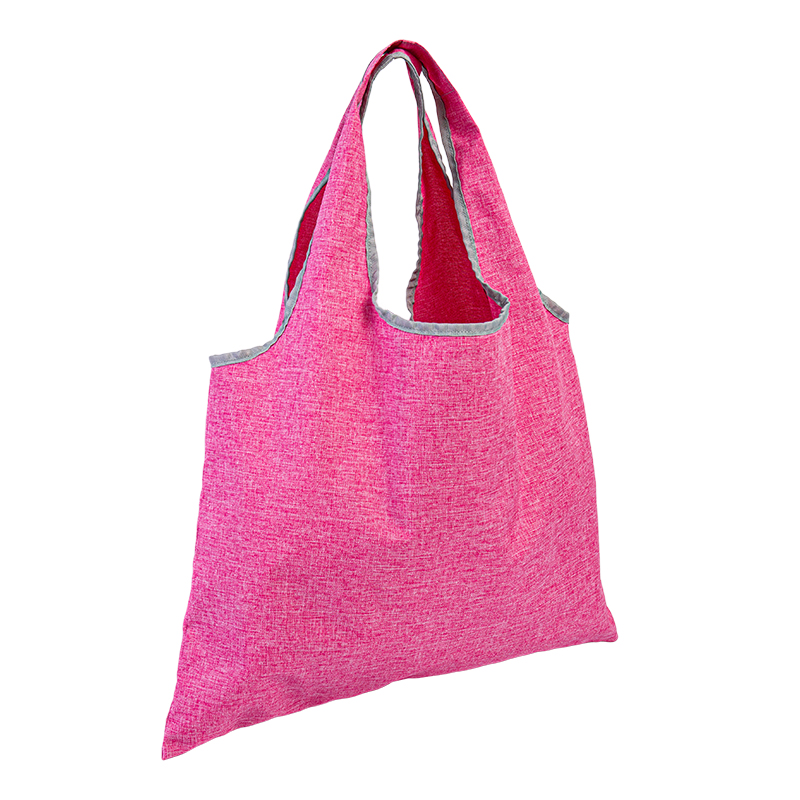 LJ24-002 Solid reusable foldable large capacity folding shopping bag Suppliers, Liangjie is top China Wholesale LJ24-002 Solid reusable foldable large capacity folding shopping bag suppliers and company, details: Mate...View Product →
For a daily tote, the balance shifts. A mid-weight bag with sturdy handles and a clean front panel supports nearly any technique, from a large stencil design to an embroidered monogram. The lightweight eco-friendly reusable tote bag is a neutral base that handles both graphic and handcrafted designs well. If you are comparing fabric types for a future project, this guide to shopping bag types, uses, and sustainability explains how material choices affect durability and reuse.
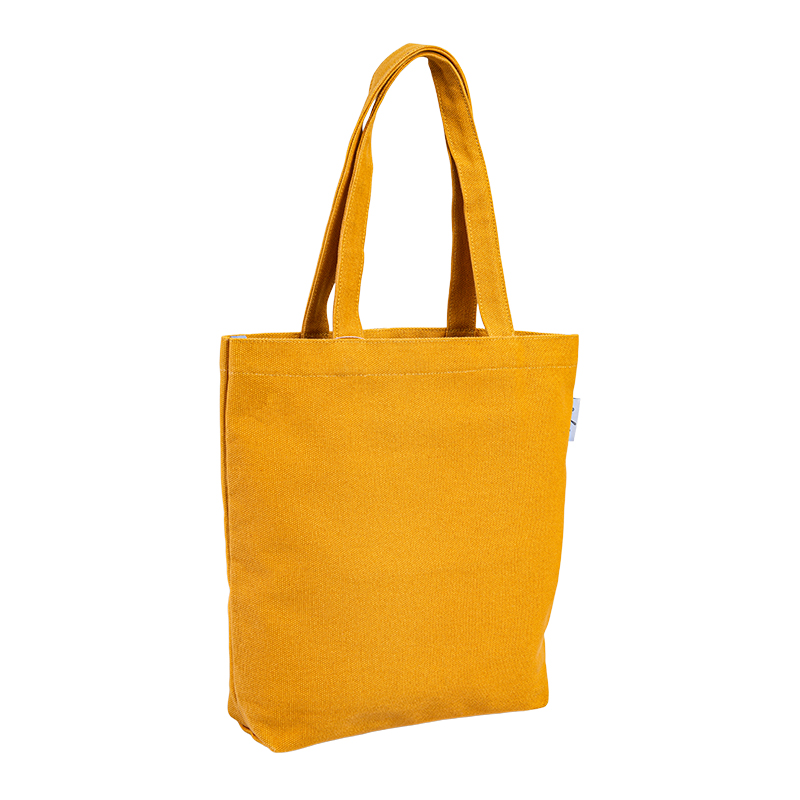 Lightweight eco-friendly reusable tote bag Suppliers, Custom Company - Pinghu LiLiangjie is top China Wholesale Lightweight eco-friendly reusable tote bag suppliers and company, details: Material: Lightweight Oxford c...View Product →
Decorating a canvas bag with your own hands requires no studio and no expensive equipment. Pick a well-made canvas tote, prepare it by washing and ironing, choose a method suited to the fabric weight, and finish with heat-setting or a proper sealant. Follow those steps and the design stays sharp through months of use.
There is a second path, however. If your project is not one bag but fifty or five thousand, DIY becomes impractical. Techniques such as screen printing, heat transfer, and digital printing need dedicated equipment and careful quality control; a factory partner can handle those at scale while you focus on the design. The same canvas base that works for a single hand-painted tote can be produced with your logo or full-color artwork in consistent, wash-tested batches.
Pinghu Liangjie suitcase & bag Co., Ltd. has manufactured over three million bags a year since 1999, including tote bags, cooler bags, backpacks, and computer cases. We develop samples from your drawings, handle fabric selection and decoration, and deliver finished bags ready for retail. Contact our team to discuss your design, or browse our full product range to see the base styles we can customize.
1. Understanding Shopping Bags Shopping bags are essential tools in modern retail and daily life. They serve as a convenient way to carry groceries, c...
View More1. Introduction In our increasingly mobile and digital world, the laptop has become the central hub of our professional and personal lives. It connect...
View MoreLearn how to choose the perfect crossbody water bottle sling bag — sizing, materials, wearing styles, packing checklist, top features to prioritize, a...
View MoreAn innovative enterprise that continuously strives to have its own brand through its own efforts. bag production factory
Phone: +86-13906735273
Tel: +86-573-85605006
Email: zhouyueliang@L-jie.com
Email: sunny@L-jie.com
Add: No.99 Xinchen Road. Xindai, Pinghu, Zhejiang, China
Copyright© 2025 Pinghu Liangjie suitcase & bag Co., Ltd. All Rights Reserved.
 Custom Luggage Bags Manufacturers


 English
 Français
 Español
 Deutsch
 عربى
عربى