 +86-573-85605006
 zhouyueliang@L-jie.com
Content
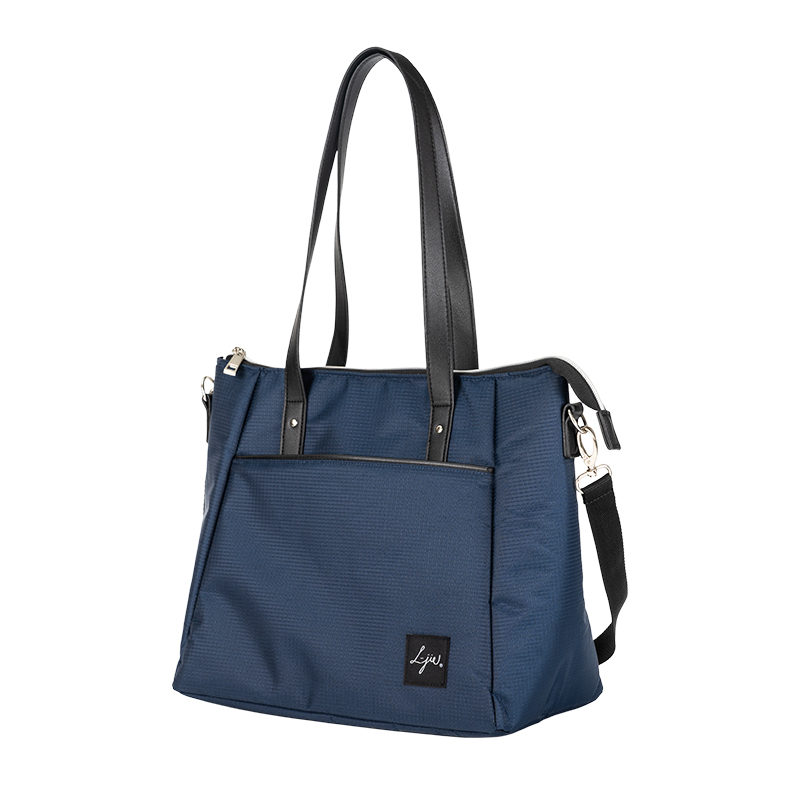
Insulated tote bags are far more than stylish carriers—they’re engineered thermal containers that actively slow heat transfer to keep perishables cold or hot. Using layered construction with reflective foil, closed-cell foam (typically 3–8 mm thick), and water-resistant exteriors, quality models can maintain internal temperatures below 40°F (4°C) for up to 6–8 hours when used with ice packs. This performance meets FDA guidelines for safe food transport, which recommend keeping cold foods under 40°F to prevent bacterial growth. In independent tests by Consumer Reports (2025), top-tier insulated totes kept ice frozen 2.3 times longer than non-insulated fabric bags, making them essential for grocery runs, meal delivery, or outdoor dining.
The thermal performance of an insulated tote hinges on three key layers: an outer shell (often polyester or nylon with PU coating for water resistance), a middle insulating barrier (usually PE foam or EVA foam), and an inner lining (typically food-safe PEVA or aluminum-coated fabric). The foam layer traps air—a poor conductor of heat—while the reflective lining minimizes radiant heat gain. Sealed seams and zippered closures further reduce convective heat exchange. Unlike rigid coolers, these flexible designs prioritize portability without sacrificing core functionality. For example, a standard 15L insulated tote with 5mm foam can reduce internal temperature rise by 70% over a 4-hour period compared to an identical non-insulated bag under the same ambient conditions (85°F/29°C).
While popular for supermarket trips, insulated tote bags serve diverse roles. Meal-prep enthusiasts use them to transport lunches without reheating, parents rely on them for baby bottles or pumped milk during daycare drop-offs, and healthcare workers carry temperature-sensitive medications. Farmers market vendors often provide branded insulated totes to customers buying fresh dairy or meat. In disaster preparedness kits, they double as emergency cold storage for insulin or vaccines during power outages. Their versatility stems from a balance of capacity (typically 10–25 liters), foldability, and ease of cleaning—many feature wipeable interiors or removable liners.
Not all insulated totes perform equally. Critical differentiators include insulation thickness, closure type, and interior material. A full-wrap zipper retains cold better than a flap-top design, while thicker foam (≥6mm) significantly extends hold time. In a 2024 thermal retention test by Wirecutter, bags with welded seams and aluminum linings outperformed stitched models by 35–50% in ice retention. Below is a comparison of common configurations:
| Feature | Avg. Internal Temp Rise | Ice Retention (%) |
|---|---|---|
| 6mm Foam + Full Zipper | +8°F (+4.4°C) | 78% |
| 3mm Foam + Snap Flap | +18°F (+10°C) | 42% |
| No Insulation (Control) | +28°F (+15.5°C) | 12% |
Since these bags contact food directly or indirectly, interior materials must be non-toxic and easy to sanitize. Reputable brands use BPA-free, phthalate-free linings like PEVA (polyethylene vinyl acetate) or food-grade TPU. Avoid PVC linings, which may leach plasticizers over time. Most high-quality totes feature seamless or heat-sealed interiors that prevent liquid seepage into insulation—a common cause of mold and odor. Cleaning is typically simple: wipe with mild soap and water, then air dry fully before storage. Brands like PackIt and YETI offer machine-washable models, though hand-washing preserves insulation integrity longer.
Unlike bulky hard-sided coolers, insulated totes prioritize user comfort. Reinforced handles, padded shoulder straps, and lightweight construction (most weigh 1.2–2.5 lbs empty) make them ideal for walking, biking, or public transit. Many include exterior pockets for receipts, keys, or reusable produce bags, enhancing workflow during shopping. Foldable designs collapse flat for storage in car trunks or kitchen cabinets—critical for urban dwellers with limited space. A 2025 survey by the National Grocers Association found that 68% of shoppers who use insulated totes report fewer spoiled items and more confidence buying perishables, directly linking design to reduced food waste.
Even the best insulated tote requires proper use to achieve rated performance. Pre-chill the bag by placing it in a freezer for 15 minutes before loading. Always use frozen gel packs (not loose ice, which leaks) and place them on top and bottom of contents—cold air sinks, so strategic placement ensures even cooling. Keep the bag closed as much as possible; each 30-second opening can raise internal temperature by 2–3°F. For hot items, pre-warm the bag with hot water before inserting containers. These steps can extend effective temperature retention by up to 40%, according to USDA cold chain guidelines.
Evaluate these factors before purchasing:
Leading brands like Hydro Flask, Coleman, and CleverMade consistently rank high in third-party durability and thermal tests. Always check return policies—some retailers allow real-world testing within 30 days. Investing in a quality insulated tote isn’t just convenient; it’s a practical step toward food safety, waste reduction, and sustainable living.
1. Understanding Shopping Bags Shopping bags are essential tools in modern retail and daily life. They serve as a convenient way to carry groceries, c...
View More1. Introduction In our increasingly mobile and digital world, the laptop has become the central hub of our professional and personal lives. It connect...
View MoreLearn how to choose the perfect crossbody water bottle sling bag — sizing, materials, wearing styles, packing checklist, top features to prioritize, a...
View MoreAn innovative enterprise that continuously strives to have its own brand through its own efforts. bag production factory
Phone: +86-13906735273
Tel: +86-573-85605006
Email: zhouyueliang@L-jie.com
Email: sunny@L-jie.com
Add: No.99 Xinchen Road. Xindai, Pinghu, Zhejiang, China
Copyright© 2025 Pinghu Liangjie suitcase & bag Co., Ltd. All Rights Reserved.
 Custom Luggage Bags Manufacturers


 English
 Français
 Español
 Deutsch
 عربى
عربى