 +86-573-85605006
 zhouyueliang@L-jie.com
Insulated tote bags are designed to maintain the temperature of food, beverages, or temperature-sensitive items during transport, combining portability with effective thermal insulation. They are widely used for grocery shopping, meal delivery, outdoor activities, and daily commuting where freshness and temperature control matter.
Compared with ordinary fabric totes, insulated tote bags offer measurable thermal protection while remaining lightweight and reusable. Their practical construction makes them an essential everyday accessory for households, businesses, and professionals handling perishable goods.
Content
Insulated tote bags rely on layered construction to slow heat transfer. Most designs include an outer fabric layer, an insulating core, and an inner lining that reflects or resists thermal exchange.
Common insulation materials include aluminum foil lining, PE foam, and non-woven thermal padding. Together, these layers can maintain cold or hot contents within a usable temperature range for 3–6 hours under normal ambient conditions.
Bags with insulation thickness between 3 mm and 8 mm provide a balance between flexibility and thermal efficiency. Thicker insulation improves temperature retention but slightly increases bag weight.
The outer material of insulated tote bags is typically made from polyester, oxford fabric, canvas, or recycled PET. These materials offer abrasion resistance and structural strength for repeated daily use.
The inner lining is usually food-grade PEVA or aluminum-coated film, which is easy to clean and resistant to moisture, spills, and odors.
Insulated tote bags are used across a wide range of everyday scenarios. Their flexibility allows them to carry groceries, prepared meals, frozen items, or beverages without rigid structure.
They are frequently used in:
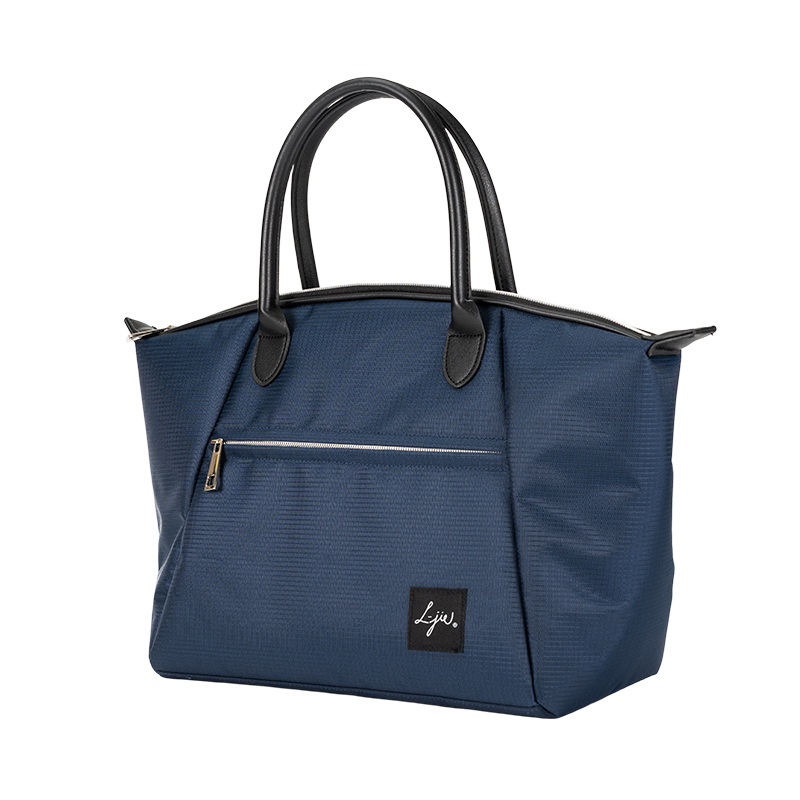
Insulated tote bags are available in various capacities, typically ranging from 10 to 30 liters. Medium-sized bags can comfortably hold 8–12 standard grocery items while maintaining shape and balance.
Reinforced handles and stitched seams allow most insulated tote bags to support loads of 8–15 kg, depending on material quality and construction.
| Capacity | Best Use | Load Range |
|---|---|---|
| 10–15 L | Lunch & beverages | 5–8 kg |
| 20–30 L | Groceries & meal prep | 10–15 kg |
Under typical conditions of 20–25°C ambient temperature, insulated tote bags can keep cold items below 8°C for up to 4 hours without ice packs. With ice packs, this duration can extend to 6 hours or more.
Hot foods stored above 60°C generally remain warm for 2–3 hours, making these bags suitable for short-distance meal transport.
Insulated tote bags are designed for repeated reuse. High-quality stitching and reinforced stress points prevent tearing even with frequent loading and unloading.
Most inner linings can be wiped clean with a damp cloth, and some bags allow gentle hand washing. Proper cleaning helps prevent odor buildup and extends usable life beyond 2–3 years of regular use.
By replacing disposable plastic or paper bags, insulated tote bags reduce waste and lower long-term costs. One reusable insulated tote can replace hundreds of single-use bags over its lifetime.
Many manufacturers now use recycled fabrics or BPA-free linings, aligning insulated tote bags with sustainable consumption practices.
Insulated tote bags combine portability, thermal performance, and durability into a single reusable product. Their adaptability makes them suitable for both personal and professional use.
For anyone needing reliable temperature control during everyday transport, insulated tote bags offer a practical, efficient, and environmentally responsible solution.
1. Understanding Shopping Bags Shopping bags are essential tools in modern retail and daily life. They serve as a convenient way to carry groceries, c...
View More1. Introduction In our increasingly mobile and digital world, the laptop has become the central hub of our professional and personal lives. It connect...
View MoreLearn how to choose the perfect crossbody water bottle sling bag — sizing, materials, wearing styles, packing checklist, top features to prioritize, a...
View MoreAn innovative enterprise that continuously strives to have its own brand through its own efforts. bag production factory
Phone: +86-13906735273
Tel: +86-573-85605006
Email: zhouyueliang@L-jie.com
Email: sunny@L-jie.com
Add: No.99 Xinchen Road. Xindai, Pinghu, Zhejiang, China
Copyright© 2025 Pinghu Liangjie suitcase & bag Co., Ltd. All Rights Reserved.
 Custom Luggage Bags Manufacturers


 English
 Français
 Español
 Deutsch
 عربى
عربى