 +86-573-85605006
 zhouyueliang@L-jie.com
Content
Folding shopping bags are reusable, lightweight, and compact bags designed for daily shopping and errands. Unlike single-use plastic bags, they can be used repeatedly, making them an environmentally friendly alternative. These bags have grown in popularity due to their convenience, durability, and significant environmental advantages. Understanding the ecological impact of folding shopping bags highlights their role in promoting sustainable lifestyles and reducing waste.
One of the most important environmental benefits of folding shopping bags is their ability to reduce plastic waste. Traditional single-use plastic bags contribute significantly to environmental pollution, littering oceans, rivers, and landscapes. Folding shopping bags, made from durable materials such as nylon, polyester, or recycled fabrics, can be used hundreds of times, drastically lowering the demand for disposable plastic bags.
Millions of plastic bags end up in the ocean each year, harming marine life. Sea turtles, fish, and seabirds often mistake plastic bags for food, leading to injury or death. By using folding shopping bags, consumers help reduce this type of pollution and protect aquatic ecosystems.
Plastic bags are non-biodegradable and accumulate in landfills for decades. Reusable folding shopping bags reduce the volume of waste entering landfills, helping alleviate the environmental burden and preserving space for other types of waste that can be composted or recycled.
Producing single-use plastic bags consumes significant amounts of fossil fuels and water. By contrast, folding shopping bags, although requiring more resources to manufacture initially, can be used multiple times, leading to lower overall energy and material consumption over their lifecycle.
A single folding shopping bag can replace hundreds of plastic bags over its lifetime. This replacement reduces the demand for raw materials, such as petroleum used in plastic production, lowering the environmental impact associated with resource extraction and processing.
Manufacturing, transporting, and disposing of single-use plastic bags consumes significant energy. Using reusable folding shopping bags reduces the frequency of production and disposal, conserving energy in the manufacturing process and decreasing greenhouse gas emissions.
Folding shopping bags encourage environmentally conscious behaviors among consumers. Their convenience and portability make it easier for people to choose reusable bags consistently, fostering long-term habits that reduce environmental impact.
The compact design allows folding shopping bags to be stored in pockets, purses, or glove compartments. This accessibility encourages frequent use, ensuring that consumers do not revert to disposable plastic bags out of convenience.
By choosing folding shopping bags, consumers actively participate in environmental conservation. This choice can influence peers, creating a ripple effect that increases awareness and encourages collective sustainable practices in communities.
Folding shopping bags are designed for repeated use, which directly contributes to environmental sustainability. Durable materials ensure that bags can carry heavy loads without tearing, extending their lifespan and further reducing the need for disposable bags.
Many folding shopping bags are made from reinforced fabrics capable of carrying groceries, books, or other heavy items. This reduces the need for multiple single-use plastic bags for a single shopping trip.
Although the initial cost of a folding shopping bag is higher than a single-use bag, its long-term use reduces both environmental and monetary costs. A single reusable bag can replace hundreds of disposable bags, conserving resources and minimizing environmental footprint.
The type of material used in folding shopping bags affects their ecological footprint. Options include nylon, polyester, cotton, and recycled fabrics, each with distinct environmental advantages.
| Material | Environmental Advantage |
| Recycled Polyester | Reduces waste, lowers energy consumption in production |
| Organic Cotton | Biodegradable and sustainably farmed |
| Nylon/Polyester | Durable, lightweight, and reduces single-use bag consumption |
Folding shopping bags provide significant environmental advantages by reducing plastic waste, conserving resources, promoting sustainable behavior, and offering durable, long-lasting alternatives to single-use bags. Their compact design, high load capacity, and use of recycled or eco-friendly materials make them an effective tool for sustainable living. Adopting folding shopping bags not only supports environmental protection but also encourages a broader cultural shift toward conscious consumption and reduced ecological impact.
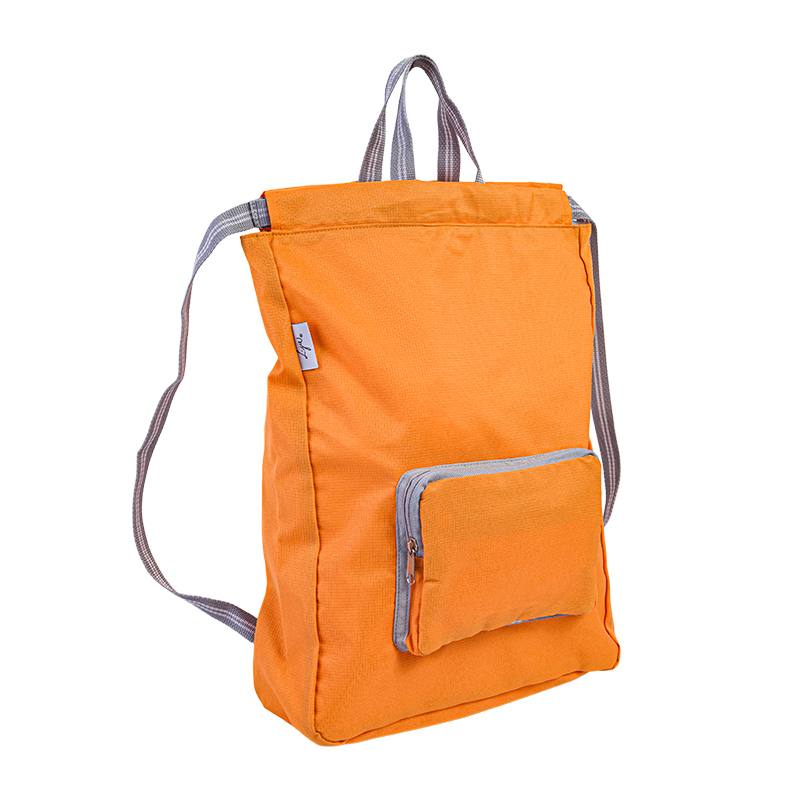
1. Understanding Shopping Bags Shopping bags are essential tools in modern retail and daily life. They serve as a convenient way to carry groceries, c...
View More1. Introduction In our increasingly mobile and digital world, the laptop has become the central hub of our professional and personal lives. It connect...
View MoreLearn how to choose the perfect crossbody water bottle sling bag — sizing, materials, wearing styles, packing checklist, top features to prioritize, a...
View MoreAn innovative enterprise that continuously strives to have its own brand through its own efforts. bag production factory
Phone: +86-13906735273
Tel: +86-573-85605006
Email: zhouyueliang@L-jie.com
Email: sunny@L-jie.com
Add: No.99 Xinchen Road. Xindai, Pinghu, Zhejiang, China
Copyright© 2025 Pinghu Liangjie suitcase & bag Co., Ltd. All Rights Reserved.
 Custom Luggage Bags Manufacturers


 English
 Français
 Español
 Deutsch
 عربى
عربى