 +86-573-85605006
 zhouyueliang@L-jie.com
Content
Pick up any tote bag spec sheet from a manufacturer and you will see four numbers: width, height, depth, and handle length. Each one controls a different aspect of how the bag behaves in real use. Knowing what each dimension actually means — and how it is measured — is the foundation for placing a custom order that arrives exactly as intended.
Width is measured across the front panel from the left seam to the right seam, at the widest horizontal point. This number tells you how much horizontal space items have inside the bag. For reference, a standard A4 sheet of paper is about 8.3 inches (21 cm) wide, so a bag narrower than that cannot hold a document folder flat.
Height is measured from the base of the bag to the top edge of the body — not including the handles. This dimension determines how tall an item can be and still fit vertically. A standard 500 ml water bottle is roughly 9 inches (23 cm) tall; a bag with a height under that will force the bottle to lean sideways, which affects balance and stability.
Depth, also called the gusset, is the measurement from the front panel to the back panel at the bag's widest interior point — typically at the base. This is the most overlooked dimension in custom orders. A bag with zero gusset is flat; it holds very little. Adding even 3 inches (8 cm) of gusset dramatically increases usable volume. For bags with a structured bottom board, depth is measured at the board itself.
Handle length has two distinct values that are frequently confused: the total loop length (measured end to end along the full curve of the strap) and the drop length (the distance from the top edge of the bag body to the lowest point of the handle arc). When specifying an order, always clarify which measurement is being quoted. A handle listed as "24 inches total loop" has a drop of roughly 10 to 12 inches — enough for comfortable shoulder carry. A handle listed as "10 inches drop" sits much higher and is designed for hand carry only. For a comprehensive look at how these measurements translate into production specifications, see our guide on standard sizes for bag production.
There is no single industry standard that mandates tote bag dimensions, but the market has settled into four widely recognized size tiers. The table below shows the ranges most commonly used in retail, promotional, and corporate sourcing. All measurements follow the W × H × D format, which is the convention used by most international manufacturers.
| Size Tier | Width | Height | Depth (Gusset) | Handle Drop | Typical Use |
|---|---|---|---|---|---|
| Small | 10–13 in (25–33 cm) | 9–12 in (23–30 cm) | 0–3 in (0–8 cm) | 4–7 in (10–18 cm) | Promotional giveaways, cosmetics, small gifts |
| Medium | 14–16 in (35–41 cm) | 14–16 in (35–41 cm) | 3–5 in (8–13 cm) | 9–12 in (23–30 cm) | Daily commute, grocery runs, trade show kits |
| Large | 17–19 in (43–48 cm) | 14–16 in (35–41 cm) | 5–7 in (13–18 cm) | 10–13 in (25–33 cm) | Laptop carry, gym bags, weekend shopping |
| Extra-Large | 20–24 in (51–61 cm) | 15–18 in (38–46 cm) | 6–8 in (15–20 cm) | 11–14 in (28–36 cm) | Beach, travel, bulk grocery, laundry |
Among these tiers, the medium size consistently accounts for the largest share of orders. It fits within the ergonomic sweet spot: wide enough for a folded jacket or a 13-inch tablet, tall enough for a standard water bottle, and light enough to carry on a shoulder for extended periods without discomfort. For branded or promotional orders where one size needs to serve a broad audience, medium is almost always the right starting point.
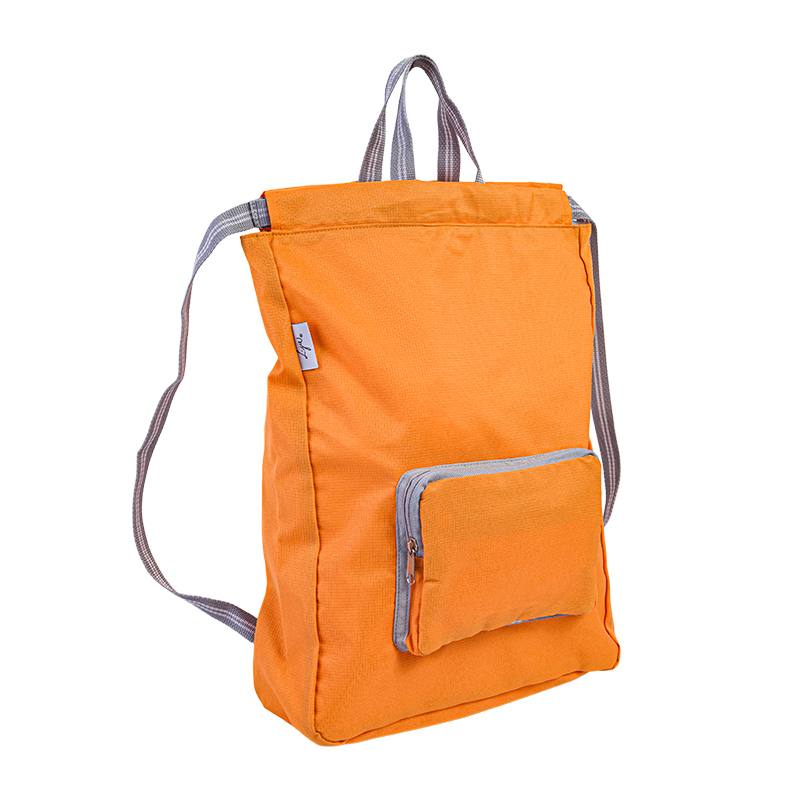
Selecting dimensions from a size table is straightforward. The harder question is knowing which tier to target in the first place. The answer depends entirely on what the bag will carry and how it will be used. Below are the most common use cases and the measurement ranges that serve them best.
A commuter tote needs to hold a wallet, phone, keys, and at minimum a tablet or a slim notebook. A width of 14 to 15 inches (36–38 cm) and a height of 14 to 16 inches (36–41 cm) covers most needs. If a 15-inch laptop must fit, bump width to at least 16 inches (41 cm) and add a gusset of at least 4 inches (10 cm) to keep the laptop from pressing against the front panel. Handle drop in the 10 to 11 inch range (25–28 cm) allows shoulder carry without the bag swinging too low. Explore our range of custom shopping tote bags for commuter-ready options with these specifications.
Grocery totes need volume more than height. A medium-to-large bag measuring 15 to 18 inches wide (38–46 cm), 14 to 16 inches tall (36–41 cm), with a gusset of 5 to 6 inches (13–15 cm) can hold the equivalent of one standard paper grocery bag. The gusset is the critical variable here: without it, canned goods and bottles will shift and tip. For heavier loads, prioritize reinforced bottom seams and a wider base panel over simply increasing height.
Gym totes must accommodate bulky, irregular items: sneakers, a change of clothes, a towel, and a water bottle. Width should be at least 17 inches (43 cm) and height at least 15 inches (38 cm). A generous gusset of 6 to 7 inches (15–18 cm) is essential. Shoulder straps with a drop of 11 to 13 inches (28–33 cm) allow the bag to rest comfortably against the hip rather than the knee when walking.
Promotional totes serve a dual purpose: they carry materials and display branding. A medium size, typically 15 × 16 inches (38 × 41 cm) with minimal or no gusset, is the most economical option for high-volume runs. The flat profile maximizes printable surface area on both front and back panels. Handle drop of 9 to 10 inches (23–25 cm) is adequate for hand carry, which is how most event totes are actually used. If attendees need to carry heavier items such as catalogues or product samples, add a 3-inch (8 cm) gusset to prevent the side seams from straining.
Extra-large totes in the 20 to 24 inch width range (51–61 cm) are standard for beach and short-trip use. Height of 15 to 18 inches (38–46 cm) accommodates a rolled beach towel or a change of clothing. For travel use, a structured gusset of 6 to 8 inches (15–20 cm) is preferable to a flat or semi-flat bag because it keeps contents organized and makes the bag easier to carry when fully loaded. Wide, padded straps with a drop of 12 inches or more (30+ cm) distribute weight more evenly and reduce fatigue.
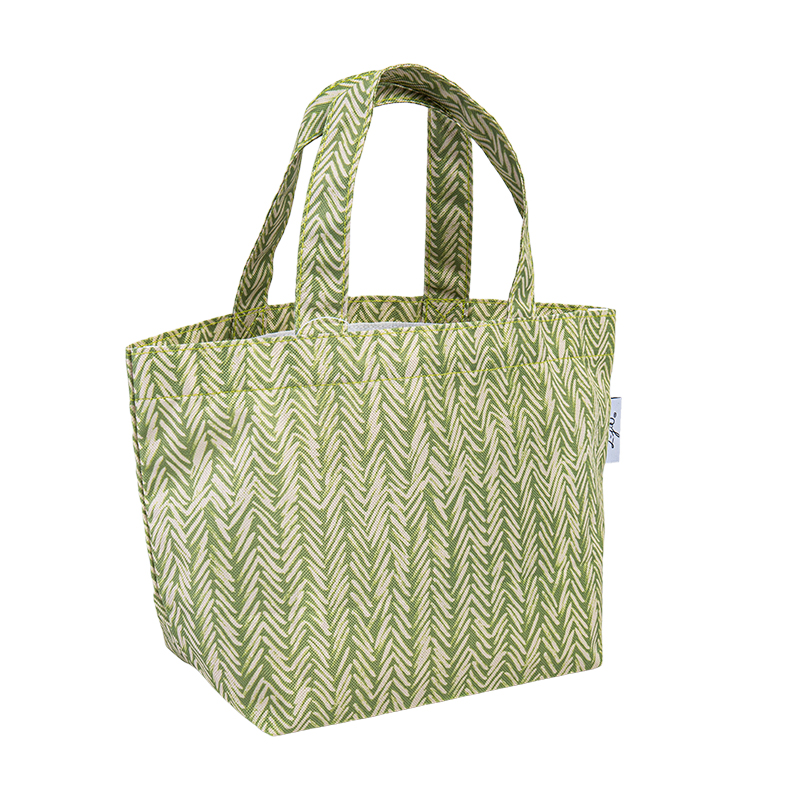
The same nominal measurements produce different final results depending on the bag's construction and material. This is a detail that catches many first-time buyers off guard when comparing samples to production batches.
A canvas or cotton tote with no lining or structure is the simplest case. The cut dimensions and the finished dimensions are close, with the only variation coming from seam allowances (typically 1 to 1.5 cm per seam). A flat canvas tote specified at 15 × 16 inches will measure within a quarter-inch of that after assembly.
A structured tote with a bottom board behaves differently. The base panel is rigid, which forces the side panels to angle slightly outward when the bag is resting flat. The stated width typically reflects the top opening, not the base. If items need to sit stably at the bottom, ask for the base width separately — it is often 1 to 2 inches narrower than the top width on bags with a pronounced taper.
For temperature-sensitive applications, insulated tote bags for temperature-sensitive items have an additional consideration: the insulation layer itself consumes interior space. A bag specified as 14 inches wide externally may have an interior clearance of only 12 to 12.5 inches once the foam or foil lining is factored in. Always request both external and internal dimensions when specifying insulated bags for food delivery or pharmaceutical applications.
Foldable shopping bags with compact dimensions introduce yet another variable: the unfolded versus folded state. The stated dimensions refer to the bag when fully open and ready to use. When collapsed for storage, the same bag may reduce to a pouch roughly 6 × 5 inches (15 × 13 cm). For projects where portability in the folded state matters — such as a branded bag that customers are expected to carry in a pocket or purse — confirm the packed dimensions separately from the use dimensions.
Dimensional errors are among the most frequent causes of rejected samples and delayed production runs. Most of them are avoidable with a few straightforward habits.
Omitting the gusset entirely. If a depth or gusset value is not included in the order specification, manufacturers will typically produce a flat bag — one with no gusset at all. This results in a bag that holds significantly less than intended. Even if the design appears to show depth in a product photo, always state the gusset dimension explicitly, including if it is zero.
Confusing total handle length with drop length. A handle described as "26 inches" without further context could mean a 26-inch full loop (approximately 11-inch drop) or a 26-inch drop (far too long for any practical carrying use). Whenever possible, specify the drop — the distance from the bag's top edge to the lowest point of the handle — as this is the measurement that directly affects how the bag is carried.
Not accounting for material thickness. Switching from a lightweight non-woven fabric to a 12 oz canvas, or adding a lining to a previously unlined design, changes the finished dimensions even when the cutting template stays the same. Material thickness can reduce interior width by 0.5 to 1 inch on heavier constructions. If switching materials between production runs, always request a new pre-production sample before approving a full batch.
Specifying cut dimensions instead of finished dimensions. Cut dimensions include seam allowances that are lost during assembly. A bag cut to 17 inches wide will measure approximately 16 inches when finished, assuming standard 0.5-inch seam allowances on both sides. Unless you are working directly with a pattern maker, always communicate the dimensions you want the finished, assembled bag to measure — not the raw fabric dimensions.
Forgetting to confirm the print area against the bag dimensions. A logo that looks proportional on a 15 × 16 inch bag may appear cramped or oversized on a 12 × 10 inch bag, even with identical artwork files. Before finalizing any branded order, request a physical or digital mock-up that shows the print area relative to the actual bag dimensions.
1. Understanding Shopping Bags Shopping bags are essential tools in modern retail and daily life. They serve as a convenient way to carry groceries, c...
View More1. Introduction In our increasingly mobile and digital world, the laptop has become the central hub of our professional and personal lives. It connect...
View MoreLearn how to choose the perfect crossbody water bottle sling bag — sizing, materials, wearing styles, packing checklist, top features to prioritize, a...
View MoreAn innovative enterprise that continuously strives to have its own brand through its own efforts. bag production factory
Phone: +86-13906735273
Tel: +86-573-85605006
Email: zhouyueliang@L-jie.com
Email: sunny@L-jie.com
Add: No.99 Xinchen Road. Xindai, Pinghu, Zhejiang, China
Copyright© 2025 Pinghu Liangjie suitcase & bag Co., Ltd. All Rights Reserved.
 Custom Luggage Bags Manufacturers


 English
 Français
 Español
 Deutsch
 عربى
عربى