 +86-573-85605006
 zhouyueliang@L-jie.com
Content
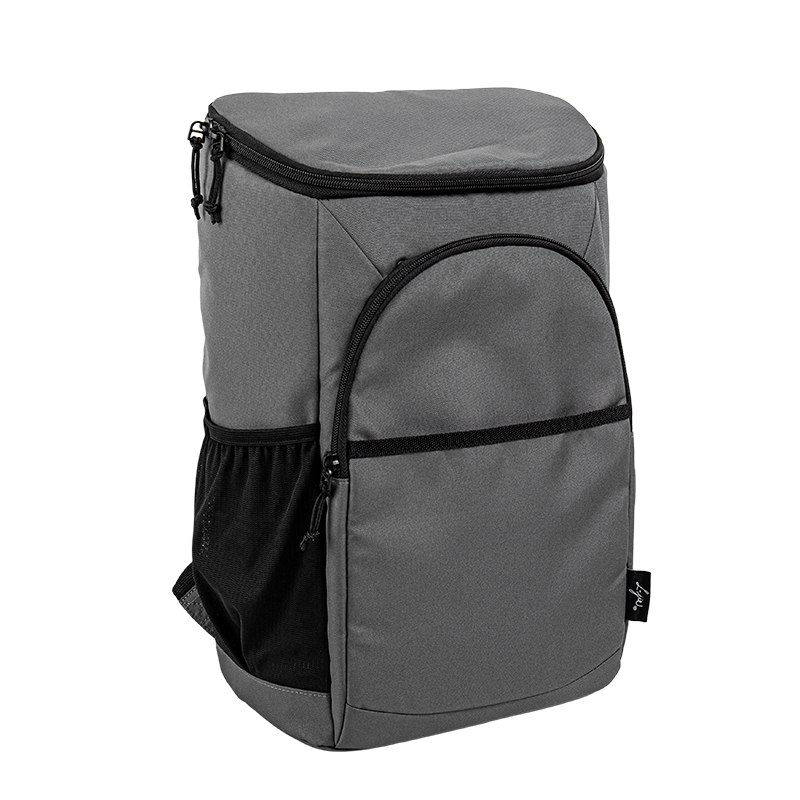
Cooler backpacks often incorporate water-resistant materials, but it is important to distinguish between water-resistant and fully waterproof designs. Water-resistant backpacks can repel light rain or splashes, protecting the contents from minor moisture exposure. Fully waterproof backpacks, on the other hand, are constructed to prevent water penetration entirely, even in heavy rain or accidental submersion.
Most cooler backpacks on the market feature water-resistant exteriors made of polyester, nylon, or coated fabrics. These materials provide an effective barrier against light moisture while maintaining flexibility and durability, which is essential for comfortable use and portability.
High-quality cooler backpacks often employ materials designed to improve water protection. Common waterproof or water-repellent materials include PVC-coated fabrics, TPU laminates, and heavy-duty nylon treated with polyurethane (PU). These materials form a surface that prevents water from soaking through, ensuring that beverages, food, or electronics inside remain dry.
The inner lining also plays a crucial role. Insulated cooler backpacks typically use PEVA, EVA, or aluminum foil linings, which are inherently waterproof and easy to wipe clean. This combination of exterior and interior protection ensures reliable moisture resistance and maintains hygiene.
Even with waterproof materials, water can penetrate through seams and zippers if they are not properly designed. Many cooler backpacks employ heat-sealed seams, reinforced stitching, and waterproof tape to minimize leakage. Sealed seams prevent water from seeping through weak points, which is critical during outdoor activities or unexpected rainfall.
Waterproof zippers are another important feature. These zippers include rubberized or coated surfaces that prevent water from entering through the teeth. Some designs also feature flaps or overlapping layers covering the zippers, adding an extra layer of protection against moisture.
The interior of cooler backpacks is designed to prevent leaks and maintain cleanliness. Insulated compartments made from waterproof materials such as PEVA or EVA provide a barrier that keeps liquid from escaping, even if a bottle or can leaks inside the backpack.
Some models feature removable or foldable trays and liners that are waterproof and easy to clean. This ensures that accidental spills do not compromise the rest of the backpack or damage personal items stored in adjacent compartments.
Waterproof cooler backpacks are especially beneficial for outdoor activities such as hiking, camping, fishing, or beach trips. They protect contents from rain, dew, or water splashes while remaining durable against abrasions and rough surfaces. Heavy-duty fabrics and reinforced stitching enhance resistance to wear and tear in rugged environments.
The combination of waterproof materials, reinforced zippers, and sturdy construction ensures that cooler backpacks perform reliably in a variety of conditions. Users can confidently carry perishable items or electronics without worrying about water damage.
Maintaining a waterproof cooler backpack is straightforward. The exterior can be wiped clean with a damp cloth, while the interior lining can be sanitized with mild soap and water. Quick-drying materials prevent mold or odor accumulation, contributing to the longevity of the backpack.
Regular maintenance, such as checking seams, zippers, and fabric coatings, ensures that the waterproof features remain effective over time. This helps maintain performance during repeated outdoor or travel use.
| Feature | Waterproof Cooler Backpack | Regular Backpack |
| Exterior Material | Waterproof fabric, coated nylon or polyester | Standard fabric, not water-repellent |
| Zipper Protection | Waterproof or covered zippers | Standard zippers |
| Interior Protection | Insulated and waterproof lining | Non-waterproof lining |
| Spill Resistance | High | Low |
To maximize waterproof performance, avoid overloading the backpack or placing sharp objects near the interior lining. Ensure zippers are fully closed and covered flaps are properly aligned. For long-term durability, store the backpack in a dry location when not in use and clean spills promptly.
By following these practices, users can maintain the waterproof integrity of their cooler backpack, ensuring reliable performance during outdoor adventures, travel, and daily use.
1. Understanding Shopping Bags Shopping bags are essential tools in modern retail and daily life. They serve as a convenient way to carry groceries, c...
View More1. Introduction In our increasingly mobile and digital world, the laptop has become the central hub of our professional and personal lives. It connect...
View MoreLearn how to choose the perfect crossbody water bottle sling bag — sizing, materials, wearing styles, packing checklist, top features to prioritize, a...
View MoreAn innovative enterprise that continuously strives to have its own brand through its own efforts. bag production factory
Phone: +86-13906735273
Tel: +86-573-85605006
Email: zhouyueliang@L-jie.com
Email: sunny@L-jie.com
Add: No.99 Xinchen Road. Xindai, Pinghu, Zhejiang, China
Copyright© 2025 Pinghu Liangjie suitcase & bag Co., Ltd. All Rights Reserved.
 Custom Luggage Bags Manufacturers


 English
 Français
 Español
 Deutsch
 عربى
عربى