 +86-573-85605006
 zhouyueliang@L-jie.com
Content
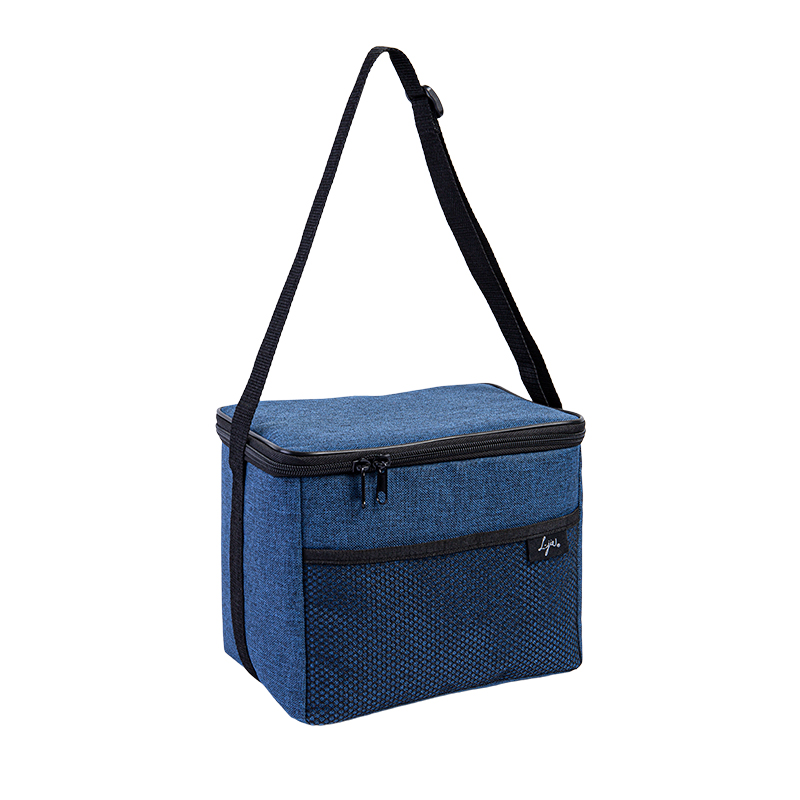
An insulated tote is designed to maintain the temperature of its contents for extended periods, keeping items warm or cold as needed. Traditionally associated with food transport, these totes have evolved beyond occasional use into versatile daily companions. Understanding their original purpose helps determine whether they can realistically fit into everyday routines.
Modern insulated totes combine thermal insulation with practical tote bag designs. This combination allows them to function not only as temperature-control containers but also as carry-all bags suitable for commuting, errands, and casual outings.
For everyday use, convenience is a primary concern. Insulated totes are generally lightweight, easy to carry, and simple to open and close. Many designs include wide openings, zipper closures, and reinforced handles that support frequent access throughout the day.
Compared to traditional lunch bags, insulated totes offer greater flexibility. They can carry meals, drinks, groceries, or personal items without forcing users to switch bags for different daily activities.
One of the strongest advantages of an insulated tote in daily use is its ability to manage temperature. Whether carrying a homemade lunch, cold beverages, or temperature-sensitive items, insulation adds functional value that ordinary totes cannot provide.
In everyday scenarios such as commuting, shopping, or spending time outdoors, an insulated tote helps maintain food freshness and beverage quality without relying on immediate refrigeration.
Everyday usability depends heavily on capacity and internal layout. Insulated totes are available in various sizes, from compact personal bags to larger multi-purpose totes. A well-sized insulated tote accommodates daily essentials without becoming bulky or uncomfortable.
Many designs include internal pockets, dividers, or external compartments. These features help separate food items from personal belongings, improving organization and preventing spills or contamination during regular use.
Comfort is essential if an insulated tote is used daily. Padded handles, reinforced stitching, and balanced weight distribution contribute to a more comfortable carrying experience. Some totes also feature shoulder straps for hands-free convenience.
Despite added insulation layers, many modern insulated totes remain flexible and foldable when empty. This makes them easier to store at home or in the workplace, supporting daily practicality.
Durability is a key factor when considering everyday use. Insulated totes designed for frequent use often feature reinforced seams, water-resistant outer fabrics, and durable inner linings that resist wear and tearing.
High-quality insulation materials maintain performance over time without compressing or losing effectiveness. This ensures consistent temperature control even after repeated daily use.
Daily-use bags must be easy to clean. Most insulated totes use wipeable inner linings that resist stains and odors. This makes routine cleaning quick and prevents lingering smells from food or drinks.
Outer materials are often designed to handle light spills, dirt, and moisture. Simple maintenance supports hygiene and extends the tote’s usable lifespan in everyday environments.
Style matters when a bag is used daily. Modern insulated totes are available in a wide range of colors, patterns, and minimalist designs that blend seamlessly into professional and casual settings.
Unlike traditional cooler bags, many insulated totes resemble standard handbags or shopping totes. This makes them socially acceptable for workplaces, public transport, and social outings.
Comparing insulated totes with regular tote bags highlights their everyday strengths and limitations. While regular totes offer simplicity, insulated totes provide added functionality that can be valuable in daily routines.
| Feature | Insulated Tote | Regular Tote |
| Temperature Control | Yes | No |
| Cleaning Ease | Easy wipe-clean | Fabric dependent |
| Versatility | High | Moderate |
Despite their advantages, insulated totes may not suit every daily need. Insulation adds slight bulk, which may be unnecessary if temperature control is rarely required. Some users may prefer lighter, non-insulated bags for purely document or accessory transport.
Choosing the right size and insulation thickness is essential to avoid carrying unnecessary weight during everyday use.
An insulated tote is well suited for everyday use when daily activities involve food, beverages, or temperature-sensitive items. Its combination of practicality, durability, and functional design supports a wide range of routines.
For users seeking a versatile bag that adapts to work, errands, and casual outings, an insulated tote offers added value beyond a standard tote, making it a practical everyday choice.
1. Understanding Shopping Bags Shopping bags are essential tools in modern retail and daily life. They serve as a convenient way to carry groceries, c...
View More1. Introduction In our increasingly mobile and digital world, the laptop has become the central hub of our professional and personal lives. It connect...
View MoreLearn how to choose the perfect crossbody water bottle sling bag — sizing, materials, wearing styles, packing checklist, top features to prioritize, a...
View MoreAn innovative enterprise that continuously strives to have its own brand through its own efforts. bag production factory
Phone: +86-13906735273
Tel: +86-573-85605006
Email: zhouyueliang@L-jie.com
Email: sunny@L-jie.com
Add: No.99 Xinchen Road. Xindai, Pinghu, Zhejiang, China
Copyright© 2025 Pinghu Liangjie suitcase & bag Co., Ltd. All Rights Reserved.
 Custom Luggage Bags Manufacturers


 English
 Français
 Español
 Deutsch
 عربى
عربى