 +86-573-85605006
 zhouyueliang@L-jie.com
Content
Canvas bags — whether a simple tote, a structured knapsack, or a fully loaded backpack — are among the most used everyday accessories in the world. But most people never learn two essential things: how to properly clean them, and what actually separates a knapsack from a backpack. This guide covers both topics in full, giving you practical cleaning steps and a clear breakdown of the terminology so you can make smarter buying decisions.
Canvas is a plain-woven, heavy-duty fabric — typically cotton or linen — that's built to last. But without proper cleaning, even the most durable canvas bag will develop set stains, odors, and premature wear. The key principle is simple: gentle, consistent care beats aggressive cleaning every time.
Before applying any cleaning method, empty the bag completely and shake out all loose debris. Then examine two critical factors:
Treating stains before the main wash dramatically improves results. Different stain types call for different approaches:
Always test any cleaning product on a small, inconspicuous area of the bag first. Harsh chemicals like undiluted bleach and vinegar should be avoided — both can weaken and corrode canvas fibers over time.
There are three main approaches to cleaning a canvas bag, and the right one depends on the bag's construction, materials, and current condition.
Hand washing gives you the most control and is safe for virtually all canvas bags, including those with prints, leather details, or delicate hardware. Here's how:
Plain white or natural-colored canvas bags without leather trim, hardware, or printed designs may tolerate gentle machine washing. If choosing this method:
For minor dirt or a fresh spill, spot cleaning is the fastest and least invasive option. Use a lint roller to remove surface dust, then treat the affected area with a damp cloth and a small drop of mild soap. This method is ideal for decorated bags or leather-trimmed designs that can't tolerate full immersion.
Never put a canvas bag in a tumble dryer. The intense heat causes shrinkage, fabric distortion, and warping of the bag's structure — undoing all the care you've put into the wash. The correct drying approach is always air drying:
Keeping a canvas bag in good condition between washes is just as important as the cleaning process itself. A few simple habits make a significant difference:
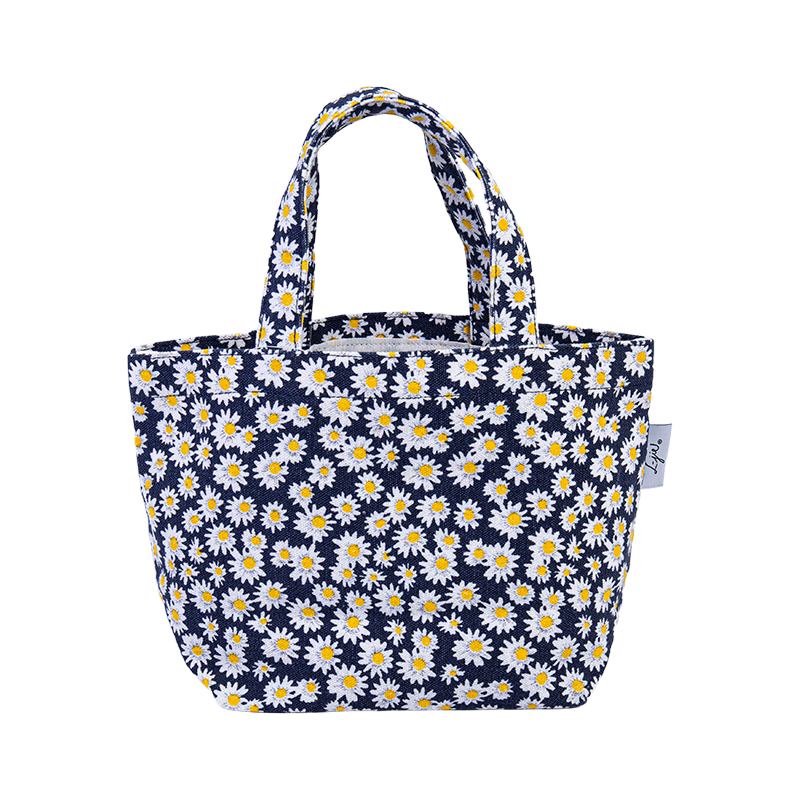
Most people use the words "knapsack" and "backpack" interchangeably — and most of the time, no one corrects them. But the two terms actually have distinct origins, design traditions, and best-use cases. Understanding the difference helps you choose the right bag for the right purpose.
Knapsack is the older of the two terms. It traces back to the German word "Knappsack" — with roots in the verb "knappen," meaning "to bite." Historically, soldiers used these compact bags to carry food rations during military campaigns. The word was widely used in English-speaking countries until roughly the mid-20th century, and it remains the common everyday term in Canada today. In the UK, the same type of bag is most often called a rucksack.
Backpack is a modern American English compound that simply describes a pack worn on the back. The term became widespread in the early 20th century with the growth of outdoor recreation, school use, and travel. Today in the United States, "backpack" functions as the catch-all term for virtually any two-strapped bag worn on the back, from a child's school bag to a technical mountaineering pack.
While language overlaps significantly, there are meaningful design and capacity differences between what people traditionally call a knapsack and what they call a backpack:
| Feature | Knapsack | Backpack |
|---|---|---|
| Typical Size | Smaller (15–30L) | Varies widely (15–80L+) |
| Shape | Rounded or triangular | Rectangular or square |
| Compartments | Fewer pockets, simpler layout | Multiple compartments, organized pockets |
| Support Features | Basic shoulder straps, no hip belt | Padded straps, hip belt, sternum strap options |
| Frame | Typically frameless | May have internal or external frame |
| Common Materials | Canvas, leather, nylon | Polyester, nylon, canvas, leather |
| Best Use | Light daily carry, gym, short outings | School, travel, work, hiking, heavy loads |
A knapsack is best understood as a smaller, more minimalist version of a backpack. It is typically characterized by a compact profile — often rounded or triangular in shape — a single main compartment, and basic shoulder straps without the ergonomic support features found on full-sized backpacks. This simplicity is a feature, not a limitation. Knapsacks are popular with people who want to carry only the essentials: gym clothes and a water bottle, art supplies for a day out, or a light haul for a weekend outing. Their compact size also prevents overpacking by design. Canvas and leather knapsacks in particular have developed a loyal following for their classic, understated aesthetic — well-suited for urban and casual use.
Backpacks are broader in scope — both literally and figuratively. They are designed for people who need to carry more, organize better, and move farther. A modern backpack typically features multiple compartments (dedicated sleeves for laptops and tablets are standard in many designs), padded and adjustable shoulder straps, and often a padded hip belt that shifts load weight from the shoulders to the hips during extended wear. Some specialized backpacks include internal or external frames that add structural support and distribute weight across the body — essential for hiking and heavy travel loads. Backpacks come in a huge range of sizes, from compact 15-liter daypacks to 80-liter expedition packs designed for multi-week treks.
Much of the confusion around these terms stems from regional differences in usage rather than genuine product differences. In the United States, "backpack" is the dominant term for almost any two-strapped bag. In Canada, "knapsack" is still widely used for what Americans would call a backpack or daypack. In the United Kingdom and much of Europe, the preferred generic term is "rucksack" — from the German words for "back" and "bag" — which tends to describe larger, more heavy-duty packs intended for outdoor use. Manufacturers themselves often use these terms interchangeably in product listings, which adds to the confusion for shoppers.
The right choice comes down to three practical factors: what you carry, how far you go, and how you prefer to organize your belongings.
The canvas cleaning steps outlined above apply equally well to canvas knapsacks and canvas backpacks — with a few practical adjustments based on the complexity of the bag:
The drying rule remains universal: air dry always, tumble dry never. A canvas knapsack or backpack stuffed with clean towels to hold its shape and hung in a ventilated space will be ready to use again within 12–24 hours.
1. Understanding Shopping Bags Shopping bags are essential tools in modern retail and daily life. They serve as a convenient way to carry groceries, c...
View More1. Introduction In our increasingly mobile and digital world, the laptop has become the central hub of our professional and personal lives. It connect...
View MoreLearn how to choose the perfect crossbody water bottle sling bag — sizing, materials, wearing styles, packing checklist, top features to prioritize, a...
View MoreAn innovative enterprise that continuously strives to have its own brand through its own efforts. bag production factory
Phone: +86-13906735273
Tel: +86-573-85605006
Email: zhouyueliang@L-jie.com
Email: sunny@L-jie.com
Add: No.99 Xinchen Road. Xindai, Pinghu, Zhejiang, China
Copyright© 2025 Pinghu Liangjie suitcase & bag Co., Ltd. All Rights Reserved.
 Custom Luggage Bags Manufacturers


 English
 Français
 Español
 Deutsch
 عربى
عربى