 +86-573-85605006
 zhouyueliang@L-jie.com
Content
Recycled polyester fabric — commonly known as rPET — is a textile fiber produced by melting down post-consumer PET plastic, primarily discarded bottles, and re-spinning the material into new yarn. Unlike virgin polyester, which is derived directly from petroleum, rPET repurposes existing plastic waste, diverting it from landfills and oceans while significantly reducing carbon emissions during production.
In the context of tote bags, this matters enormously. A single recycled polyester tote bag can incorporate the equivalent of 6 to 10 recycled plastic bottles, transforming what would have been environmental waste into a durable, everyday carry accessory. The resulting fabric retains the physical strengths of conventional polyester — tensile durability, moisture resistance, quick-drying properties, and colorfastness — while delivering a measurably smaller environmental footprint.
As governments worldwide accelerate bans on single-use plastics and consumers demand greater accountability from brands, the recycled polyester tote bag has evolved from a niche green product into a mainstream staple across retail, fashion, corporate gifting, and promotional markets.
The market data paints a compelling picture for suppliers, brands, and procurement professionals alike. According to industry research, the global recycled polyester market was valued at USD 15.52 billion in 2024 and is projected to reach USD 26.18 billion by 2030, expanding at a compound annual growth rate (CAGR) of 9.25%. The textile and apparel segment accounts for the largest share of rPET demand, representing over 51% of total application revenue.
The tote bag segment itself is tracking on a parallel growth trajectory. The global sustainable tote bag market reached USD 7.4 billion in 2024 and is forecast to grow at a CAGR of 8.2% through 2033, reaching approximately USD 13.9 billion. Within that broader sustainable bag category, recycled PET materials have emerged as one of the most prominent and fastest-growing sub-segments, favored for their practicality, certifiability, and strong sustainability narrative.
| Segment | 2024 Market Size | Forecast | CAGR |
|---|---|---|---|
| Global Recycled Polyester Market | USD 15.52 billion | USD 26.18 billion by 2030 | 9.25% |
| Sustainable Tote Bag Market | USD 7.4 billion | USD 13.9 billion by 2033 | 8.2% |
| Tote Bags Market (Overall) | USD 6.6 billion | USD 11.46 billion by 2035 | 5.14% |
Asia Pacific leads both markets, accounting for roughly 38–48% of global revenue, driven by large-scale manufacturing capacity, growing domestic demand, and increasing regulatory pressure on single-use plastics in countries such as China, India, Japan, and South Korea.
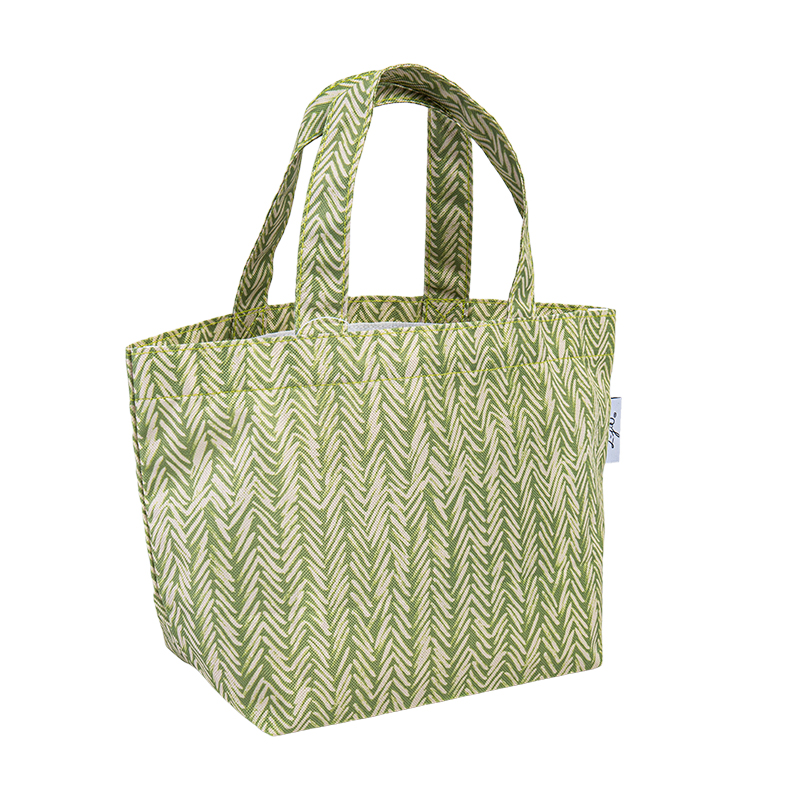
For buyers evaluating materials, the case for rPET tote bags goes beyond environmental optics. Several practical advantages make recycled polyester a compelling functional material:
When assessed through a lifecycle lens, rPET tote bags offer the best balance of sustainability and durability among common reusable bag materials. A key consideration is ensuring sufficient reuse rates — lifecycle assessments confirm that the environmental benefits of rPET versus single-use plastic are maximized when bags are used consistently over time. Adding messaging such as "Use me 100+ times" and providing washing guidance are practical steps brands can take to reinforce this commitment at the consumer level.
As the market for sustainable bags expands, so does the risk of greenwashing — brands making unverified claims about recycled content without independent oversight. For procurement teams and sourcing managers, understanding which certifications carry genuine weight is essential.
The Global Recycled Standard (GRS) is currently the most widely recognized certification for rPET products. It verifies that a bag contains a minimum percentage of recycled material, traceable throughout the supply chain from raw feedstock to finished product. The GRS also evaluates social, environmental, and chemical requirements across the production process, providing broader assurance beyond material composition alone.
Beyond GRS, some manufacturers offer bags embedded with Aware™ tracer technology, which integrates a physical tracer into the fabric alongside digital verification, granting buyers access to the full material journey of each product. For brands with particularly rigorous ESG reporting requirements, this level of traceability represents a meaningful advance over standard certification alone.
Other relevant standards include OEKO-TEX STANDARD 100, which confirms that all components of the finished bag have been tested for harmful substances, and Recron® GreenGold certification, which denotes fabric produced from 100% recycled PET plastic. Requesting certifications proactively and verifying them through the issuing body's online database are standard best practices when sourcing rPET totes at scale.
The versatility of rPET fabric means that recycled polyester tote bags are well-suited to a wide range of end-use contexts. Current demand is particularly strong across the following sectors:
For brands and importers entering or scaling their rPET tote bag category, several sourcing variables deserve close attention. Fabric weight (GSM) is a primary quality indicator: lighter non-woven rPET (80–100gsm) suits economical promotional bags, while heavier woven constructions (above 200gsm) are more appropriate for structured, long-use totes. Confirming that both the shell fabric and any webbing, lining, or zipper components meet recycled content requirements is important for full GRS compliance.
Production transparency is also increasingly a buyer requirement. Lifecycle analysis confirms that environmental benefits are only realized when supply chain emissions are genuinely controlled — not just at the fabric stage, but through dyeing, finishing, cut-and-sew, and logistics. Factories with documented BSCI or SEDEX social audits, combined with material certifications, provide the most defensible sourcing posture for brands with public sustainability commitments.
Finally, demand forecasting discipline matters. One acknowledged challenge in the promotional tote bag sector is overproduction — ordering volumes that exceed realistic distribution, which undermines the sustainability premise entirely. Accurate demand planning before procurement, combined with durable bag construction designed for long-term consumer use, ensures that the circular economy intention of rPET is reflected in actual outcomes rather than just material composition.
Several structural trends are set to reinforce demand for rPET tote bags through the remainder of this decade. Regulatory pressure is intensifying: minimum recycled content mandates for textiles and packaging are being introduced across the European Union, the United States (particularly California), and multiple Asian markets. These requirements are transforming rPET from a voluntary premium choice into a compliance baseline for a growing number of product categories.
On the technology side, advances in both mechanical and chemical recycling are expanding the feedstock base available for rPET fiber production. Chemical recycling processes — including depolymerisation and monomer recovery — are enabling the processing of colored, contaminated, and multi-layer PET streams that mechanical recycling cannot handle, increasing overall fiber availability and quality consistency. European investment in chemical recycling infrastructure is projected to grow from €2.6 billion in 2025 to €8 billion by 2030.
Corporate sustainability targets are providing further structural support. Global fashion and FMCG companies have committed to incorporating 50–100% recycled polyester into specified product lines by 2030, creating sustained downstream demand for certified rPET fiber at scale. For tote bag manufacturers and fabric suppliers well-positioned in this category, the trajectory points toward a decade of durable, compliance-backed growth.
1. Understanding Shopping Bags Shopping bags are essential tools in modern retail and daily life. They serve as a convenient way to carry groceries, c...
View More1. Introduction In our increasingly mobile and digital world, the laptop has become the central hub of our professional and personal lives. It connect...
View MoreLearn how to choose the perfect crossbody water bottle sling bag — sizing, materials, wearing styles, packing checklist, top features to prioritize, a...
View MoreAn innovative enterprise that continuously strives to have its own brand through its own efforts. bag production factory
Phone: +86-13906735273
Tel: +86-573-85605006
Email: zhouyueliang@L-jie.com
Email: sunny@L-jie.com
Add: No.99 Xinchen Road. Xindai, Pinghu, Zhejiang, China
Copyright© 2025 Pinghu Liangjie suitcase & bag Co., Ltd. All Rights Reserved.
 Custom Luggage Bags Manufacturers


 English
 Français
 Español
 Deutsch
 عربى
عربى