 +86-573-85605006
 zhouyueliang@L-jie.com
The Longer You Keep It Clean, the Less You Need to Replace It
A canvas bag that is properly cared for can last a decade or more. One that is neglected, over-washed with the wrong method, or allowed to accumulate stains that set permanently may need replacing within a year or two. The difference is not the bag itself—it is how it is maintained. As reusable bags have become a daily essential rather than an occasional alternative, the question of how to keep them clean without damaging them has become genuinely practical for millions of people.
Reusable bags of all types now carry groceries, lunches, laptops, and gym gear through conditions that generate real cleaning requirements. The canvas and fabric materials used in everyday carry bags are durable, but they respond poorly to the wrong cleaning approach—hot water that causes shrinkage, bleach that degrades fibers and fades prints, machine agitation that deforms strap attachments, and incomplete drying that invites mildew. Getting the method right is straightforward once you understand the material. The canvas and fabric tote bag collection for everyday use reflects the range of construction approaches that affect how each bag should be cleaned—and a practical guide to shopping bags, types, uses, and sustainability provides broader context on how material choice connects to long-term use and environmental impact.
Content
Not all canvas bags wash the same way. The term "canvas" covers several distinct materials that differ in their fiber composition, surface treatment, and sensitivity to water, heat, and detergent. Identifying your bag's material before washing prevents the most common cleaning mistakes.
Plain cotton canvas is the most washable canvas type—undyed or solid-colored cotton weave with no special coating. It tolerates both hand washing and machine washing on a gentle cycle with cold water. The main risks are shrinkage in hot water and gradual softening of the weave with repeated washing. Plain cotton canvas bags typically handle regular cleaning well and are the easiest to maintain.
Printed canvas requires more care than plain canvas. Screen-printed, digitally printed, or embroidered designs can crack, fade, or bleed if exposed to heat, aggressive detergents, or prolonged soaking. For printed bags, hand washing in cold water with a small amount of mild detergent—turned inside out where possible—preserves the design longest. Machine washing should use the gentlest cycle available and always cold water. The lightweight eco-friendly reusable tote bag in plain and solid color formats is particularly well-suited to regular washing without the print sensitivity concerns that patterned alternatives carry.
Oxford cloth and coated canvas are synthetic-weave fabrics with a tighter construction and often a water-resistant finish. Oxford cloth is durable and resists staining but benefits from spot cleaning rather than full immersion washing, which can break down the surface coating over time. The eco-friendly durable oxford cloth tote bag is designed for frequent use and spot-clean maintenance between periodic gentle hand washes. Wax-coated canvas—common in heritage-style tote bags—should never be washed with soap or submerged; re-waxing is the maintenance method for this type.
Canvas with leather or structured elements requires hand washing only, with particular attention to keeping leather straps, bottom panels, and hardware as dry as possible during cleaning. Water damages leather by removing its natural oils, causing cracking and stiffening; metal hardware can rust or corrode if soaked. For bags in this category, spot cleaning is the primary method and full immersion should be avoided entirely.
The care label inside the bag provides the manufacturer's specific guidance for the materials used. The American Cleaning Institute's fabric care resource, the ACI official fabric care guidance including reusable bag care recommendations, explains the standard care symbols found on textile product labels—the washing basin, temperature dots, triangle (bleach), circle (dry cleaning), and square (drying) symbols that summarize the safe care parameters for any given fabric construction.
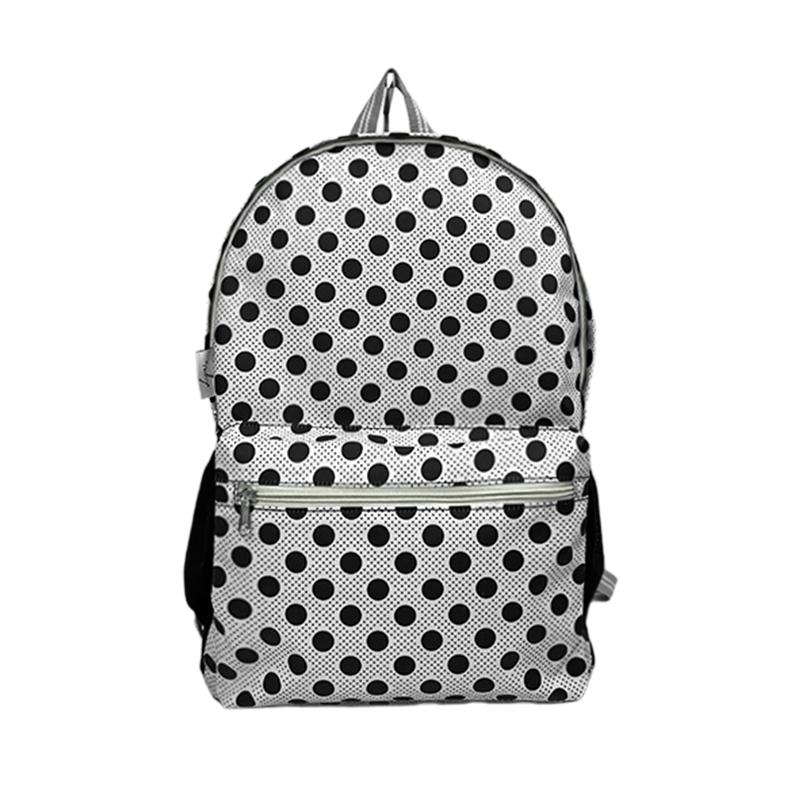
Pre-treating stains before washing significantly improves the outcome for set-in or stubborn marks. Canvas fiber holds stains tenaciously once they dry, and washing without pre-treatment often disperses a stain across a larger area rather than removing it. Addressing the stain first—before any general washing—consistently produces better results.
Start by emptying the bag completely and checking every pocket and interior compartment. Shake out loose debris over a bin and use a soft brush or lint roller to remove surface dust and crumbs from the interior lining and exterior fabric before applying any liquid. Wet cleaning applied to a dirty surface can drive loose particles into the weave rather than removing them.
Oil and grease stains respond well to dry absorption before any liquid is introduced. Sprinkle talcum powder, cornstarch, or baking soda directly onto the stain and leave it for 30 to 60 minutes—the powder absorbs the oil from the fiber. Brush it away gently, then treat the remaining mark with a small amount of dish soap (which is formulated to cut grease) worked in with a soft-bristled brush before rinsing. The foldable large-capacity reusable folding shopping bag used for grocery carrying is particularly susceptible to food and oil marks at the base; treating these promptly before they set extends the bag's clean appearance significantly.
Food and beverage stains should be blotted—never rubbed—immediately after they occur. Rubbing spreads the stain and pushes it deeper into the weave. Once the excess is blotted, apply a small amount of mild detergent or a paste made from baking soda and water directly to the stain, work it in gently with a soft brush using straight strokes rather than circular motion, and let it sit for five to ten minutes before rinsing with cold water.
Mud and dirt stains should be allowed to dry completely before any cleaning attempt. Trying to clean wet mud spreads it further into the fabric. Once fully dry, brush off as much of the dried material as possible with a stiff-bristled brush, then proceed to spot cleaning with mild soap and water for any remaining discoloration.
Mold and mildew marks require a slightly stronger treatment. A mixture of equal parts white vinegar and water applied to the affected area and left for 15 to 20 minutes before scrubbing with a soft brush will address most mildew staining. For stubborn mold on white or undyed canvas only, a diluted bleach solution (one tablespoon of chlorine bleach in one quart of water) can be tested on a small, hidden area first; never use bleach on colored or printed canvas.
Hand washing is the universally safe cleaning method for canvas bags—it works across all canvas types, gives you direct control over how much agitation and pressure is applied to sensitive areas, and eliminates the risks of machine drum contact with straps, zippers, and hardware. For bags with printed designs, leather elements, or structured components, hand washing is not just preferable—it is the only washing method that reliably preserves the bag across repeated cleaning cycles.
Step 1: Prepare the washing basin. Fill a clean sink or basin with cool to lukewarm water—not hot. Water above 40°C (104°F) can cause cotton canvas to shrink, set heat-sensitive stains, and degrade the adhesives used in laminated or structured sections of the bag. Add a small amount of mild, bleach-free liquid detergent—approximately one teaspoon per litre of water. Dish soap works well for greasy bags; a dedicated gentle laundry detergent handles general soiling.
Step 2: Submerge and soak. Place the bag into the water and press it gently until fully submerged. Allow it to soak for five to ten minutes to loosen general grime from the fibers before scrubbing. For bags with interior lining, press the bag from the outside to encourage water to penetrate into the lining fabric.
Step 3: Scrub methodically. Using a soft-bristled brush (a clean nail brush or toothbrush works well for seams and corners), work across the exterior surface in straight strokes. Pay particular attention to the base of the bag, the handle attachment points, and any interior pockets—these areas accumulate the most grime from contact with surfaces and contents. Apply slightly more detergent directly to stubborn spots and work it in before rinsing.
Step 4: Rinse thoroughly. Drain the soapy water and refill the basin with clean cold water. Press and squeeze the bag repeatedly until no soap residue remains and the water runs clear. Incomplete rinsing leaves detergent residue in the canvas fibers, which can attract future dirt more rapidly, stiffen the fabric as it dries, and cause skin irritation for users who carry the bag against their body.
Step 5: Remove excess water. Gently press the bag against the side of the basin to expel water—do not wring, twist, or squeeze forcefully, which distorts the shape and stresses seams and strap attachments. The bag should be damp but not dripping before moving to the drying stage. The folding shopping bag range for reusable everyday carry benefits particularly from hand washing, as the folding mechanism and compact storage design can be damaged by machine agitation.
Machine washing is faster than hand washing and appropriate for plain cotton canvas bags without leather trim, structured padding, or delicate prints—provided the care label permits it and the correct settings are used. The risks of machine washing canvas—shrinkage, strap tangling, print damage, and hardware contact with the drum—can each be mitigated with proper preparation.
Check the care label first. If the label shows a crossed-out washing basin symbol, the bag is not machine washable regardless of its apparent sturdiness. If the label is missing or illegible, treat the bag as hand-wash only to be safe. When in doubt, hand washing is always the lower-risk option.
Turn the bag inside out. This protects exterior prints and hardware from direct drum contact during the wash cycle. For bags with exterior pockets, fold them flat against the bag body before inverting.
Use a mesh laundry bag. Place the canvas bag inside a zippered mesh laundry bag before loading. This prevents straps from tangling around the drum agitator, protects zippers and buckles from snagging on the drum surface, and reduces the mechanical stress the bag experiences during the spin cycle.
Select the correct settings. Use the gentlest cycle available—delicate, hand wash, or gentle cycle—with cold water. Cold water prevents shrinkage and color bleeding. Use a small amount of mild liquid detergent; avoid powder detergents, which may not dissolve fully in cold water and can leave residue in heavy canvas weaves. Skip fabric softener, which can coat canvas fibers in a way that reduces their breathability and, over time, their structural integrity.
Special considerations for backpacks. Canvas backpacks present additional machine washing complications: internal frame sheets or foam padding must be removed before washing, metal frame stays can rust if saturated and not dried promptly, and multiple compartment zippers create stress points during drum agitation. The adult backpack range for daily and travel use and the simple and practical unisex adult backpack are both best maintained through spot cleaning and periodic hand washing rather than machine washing, which preserves the structural elements and attachment points that determine the bag's long-term load-carrying performance.
Correct drying is as important as correct washing. A canvas bag that is dried incorrectly—in a tumble dryer, in direct sunlight, or stored before fully dry—can shrink, fade, stiffen, or develop mildew that undoes the benefit of washing entirely.
Air dry only. Never place a canvas bag in a tumble dryer. The heat causes cotton canvas to shrink significantly—sometimes reducing a bag's dimensions by 10 to 15%—and can damage printed graphics, melt adhesives in laminated sections, and stress strap attachment seams that were designed for dry mechanical loads, not sustained heat and tumbling. Hang the bag in a well-ventilated indoor location or outdoors in shade. A clothes line through the handles, or a hanger inserted into the bag to hold its shape open, allows air to circulate through both exterior and interior simultaneously.
Avoid direct sunlight for drying. UV exposure bleaches natural cotton fibers and fades both dyes and printed graphics. While brief sunlight exposure does no lasting damage, positioning the bag in direct sun for the hours it takes to air dry accelerates color loss noticeably over repeated cycles. Shade drying or indoor drying consistently extends the bag's color life.
Reshape while damp. Canvas holds its shape better if it is gently reshaped while still damp rather than after fully drying in a distorted position. Pull the base flat, straighten the side panels, and ensure straps hang without twisting. If the bag has a flat base, stuff the interior loosely with clean dry towels to maintain its three-dimensional form while drying.
Ensure complete drying before storage. Storing a canvas bag before it is fully dry—even if it feels only slightly damp to the touch—creates the conditions for mildew growth inside the fabric and lining. Mildew produces a persistent musty odor that is very difficult to remove once established, and the mold damage to canvas fibers is irreversible. When in doubt, leave the bag to dry for an additional 12 hours beyond when it first feels dry.
Protective finishing after washing. Once the bag is clean and fully dry, applying a fabric protector spray designed for cotton textiles creates a barrier against future staining and moisture absorption. PFAS-free, non-toxic fabric protector options are now widely available and provide meaningful stain resistance without the environmental concerns associated with older fluorocarbon-based waterproofing treatments. Reapply after every three to four washes for continuous protection.
For further guidance on selecting the right bag construction for your carrying requirements—which directly affects how it should be maintained—how to choose a backpack that fits your lifestyle covers the material, capacity, and structural considerations that determine both performance and care requirements across different bag types. A bag that is matched to its actual use pattern stays cleaner longer and needs less intensive washing to maintain its appearance and function across years of regular use.
1. Understanding Shopping Bags Shopping bags are essential tools in modern retail and daily life. They serve as a convenient way to carry groceries, c...
View More1. Introduction In our increasingly mobile and digital world, the laptop has become the central hub of our professional and personal lives. It connect...
View MoreLearn how to choose the perfect crossbody water bottle sling bag — sizing, materials, wearing styles, packing checklist, top features to prioritize, a...
View MoreAn innovative enterprise that continuously strives to have its own brand through its own efforts. bag production factory
Phone: +86-13906735273
Tel: +86-573-85605006
Email: zhouyueliang@L-jie.com
Email: sunny@L-jie.com
Add: No.99 Xinchen Road. Xindai, Pinghu, Zhejiang, China
Copyright© 2025 Pinghu Liangjie suitcase & bag Co., Ltd. All Rights Reserved.
 Custom Luggage Bags Manufacturers


 English
 Français
 Español
 Deutsch
 عربى
عربى