 +86-573-85605006
 zhouyueliang@L-jie.com
Ask ten people to name the bag on a hiker's back, and you'll likely get three different answers: backpack, rucksack, and knapsack. The words feel interchangeable — until you need to buy one and realize the differences actually matter. Size, structure, load capacity, and intended activity all vary significantly between a true rucksack and a traditional knapsack. Here's what actually sets them apart.
Content
The word rucksack traces directly to German. "Rücken" means "the back," and "Sack" means bag — so a rucksack is, at its most literal, a back-bag. The term entered English around 1866, originally describing the sturdy packs used by Alpine hikers and, later, military troops across two World Wars. Its association with rugged outdoor use has stuck ever since.
Knapsack has a different lineage. It comes from the Dutch "knappen" (to bite or snap shut) combined with "zak" (sack), a reference to the bag's simple snap or buckle closure. According to the Online Etymology Dictionary's entry on rucksack, both terms entered mainstream English from European military and hiking traditions, which explains why they overlap so heavily today.
The key takeaway from their origins: rucksack was built around the idea of carrying weight over long distances, while knapsack described a simple, compact pouch for essentials. That original distinction still shapes how the terms are used today.
The most meaningful differences come down to physical design and what each bag is engineered to handle.
| Feature | Rucksack | Knapsack |
|---|---|---|
| Typical Capacity | 30–80+ liters | Under 30 liters |
| Frame / Support | Internal or external frame | None or minimal padding |
| Hip Belt | Common — transfers weight to hips | Rarely included |
| Chest Strap | Often included | Uncommon |
| Compartments | Multiple (main, secondary, gear loops) | One or two main pockets |
| Primary Materials | Heavy-duty nylon, Cordura, wax canvas | Canvas, nylon, leather |
| Weight When Empty | Heavier (1–2+ kg) | Light (under 0.5 kg typical) |
| Typical Use | Hiking, camping, military, travel | School, commuting, day trips |
The hip belt is perhaps the most telling structural difference. A proper rucksack is designed to shift the majority of the load onto the hips rather than the shoulders — essential when you're carrying 15 kg or more over uneven terrain. Knapsacks, by contrast, sit lightly on both shoulders and are not engineered for heavy loads or prolonged wear.
Part of the confusion between these terms is geographic. The same physical bag gets called something different depending on where you live.
This regional patchwork explains why the terms appear interchangeable in search results — writers from different countries are technically describing different bags with the same word.
The clearest way to decide between the two is to match the bag to the activity.
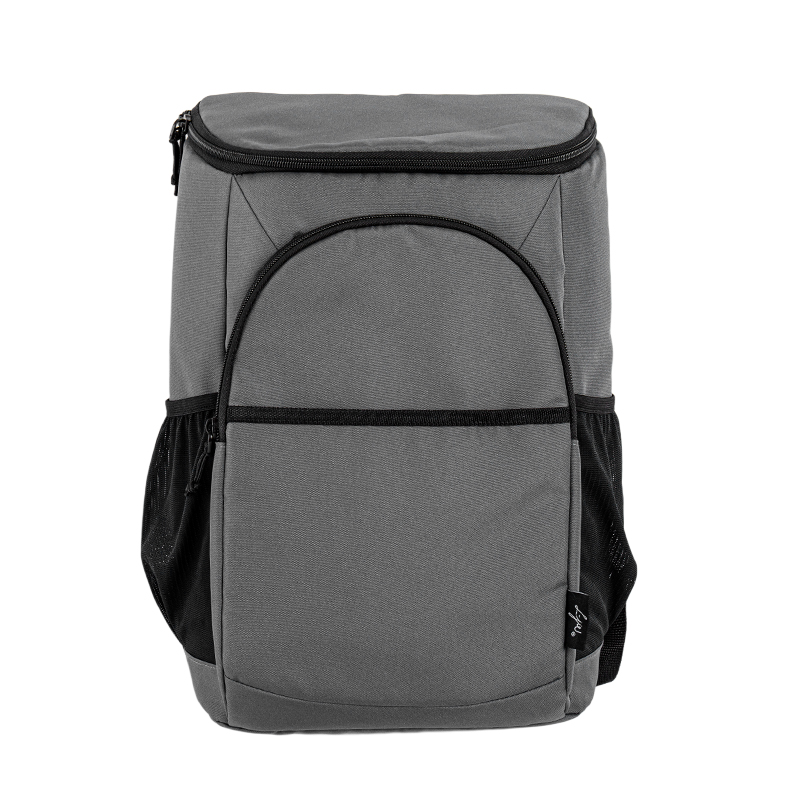
Choose a rucksack for any situation where you'll carry significant weight, move through challenging terrain, or stay on your back for hours at a stretch. Multi-day hikes, camping trips, mountaineering, and long-haul travel all benefit from the added support structure a rucksack provides. The hip belt alone makes a substantial difference on a steep trail — it reduces shoulder fatigue enough to extend comfortable carry time by several hours. For outdoor adventures, an insulated hiking backpack cooler for outdoor trips combines rucksack-style carry with temperature-controlled storage — ideal for day hikes or picnics where food and drinks need to stay cold.
Knapsacks shine in daily-use scenarios: commuting to work, carrying a school bag, running errands, or going on a short day trip where you're only packing a few essentials. Their lighter construction and smaller profile make them easier to store under a seat or overhead on public transit. They also tend to look more polished in casual or urban settings. For those who need a bag that moves between office and travel, laptop backpacks for work and travel offer a modern, compact design that fits the knapsack mold while protecting tech gear. Explore the full range of lightweight backpacks for everyday carry to see what fits your routine.
Once you've identified the general category, these four factors will narrow the choice further.
For those looking at durable adult backpacks built for heavy loads, the decision usually lands firmly in rucksack territory — especially when the priority is comfort over longer carry periods. The right bag ultimately comes down to matching the engineering of the pack to the demands of how you'll actually use it.
1. Understanding Shopping Bags Shopping bags are essential tools in modern retail and daily life. They serve as a convenient way to carry groceries, c...
View More1. Introduction In our increasingly mobile and digital world, the laptop has become the central hub of our professional and personal lives. It connect...
View MoreLearn how to choose the perfect crossbody water bottle sling bag — sizing, materials, wearing styles, packing checklist, top features to prioritize, a...
View MoreAn innovative enterprise that continuously strives to have its own brand through its own efforts. bag production factory
Phone: +86-13906735273
Tel: +86-573-85605006
Email: zhouyueliang@L-jie.com
Email: sunny@L-jie.com
Add: No.99 Xinchen Road. Xindai, Pinghu, Zhejiang, China
Copyright© 2025 Pinghu Liangjie suitcase & bag Co., Ltd. All Rights Reserved.
 Custom Luggage Bags Manufacturers


 English
 Français
 Español
 Deutsch
 عربى
عربى