 +86-573-85605006
 zhouyueliang@L-jie.com
Content
Pull apart the corner of almost any tote bag, jacket, or laptop sleeve and you'll find the same basic structure underneath the print or coating: two sets of threads locked together at right angles. That's woven fabric — cloth built by interlacing lengthwise yarns, called the warp, with crosswise yarns, called the weft, on a loom.
The warp threads are held under tension the entire time they're on the loom, so they need to be strong enough to survive that stress without snapping. The weft threads pass over and under the warp in a repeating sequence, and it's that sequence — how many warp threads a weft yarn crosses before dipping under the next one — that determines everything about how the finished cloth looks, feels, and performs.
Because the two thread sets cross at fixed points, woven fabric holds its shape well along the length and width of the cloth. It only stretches noticeably on the diagonal, known as the bias, unless the yarns themselves are elastic. That predictability is exactly why manufacturers building structured products — backpacks, hard-sided coolers, laptop cases — lean on woven materials rather than looser knit or bonded alternatives.
Every woven fabric, no matter how complex it looks, is built from one of three foundational patterns. Manufacturers pick a weave based on what the finished product needs to do, not just how it needs to look.
Plain weave is the simplest and oldest pattern: each weft yarn passes over one warp yarn, then under the next, alternating the whole way across. This produces a tight, stable, symmetrical surface that resists shifting and fraying, which is why it shows up constantly in everyday cotton and canvas goods.
Twill weave staggers the crossing points, so each weft yarn floats over two or more warp yarns before dipping under one. That offset creates the visible diagonal line denim and chino fabrics are known for. The longer floats also make twill weaves more flexible and better at hiding soil than plain weave, at some cost to crispness.
Satin weave pushes the float even further, with a weft yarn crossing four or more warp yarns before a single interlacing point. The result is a smooth, lustrous face with almost no visible texture — ideal for drape and shine, though the long floats make satin more prone to snagging than the other two structures.
A fourth pattern worth knowing for bag and case materials is the basket-style Oxford weave, a variation on plain weave that groups two or more yarns together before crossing them as a pair. A detailed technical breakdown of plain, twill, satin, and Oxford weave construction lays out exactly how these thread groupings differ from a standard plain weave, and why Oxford ends up thicker and more textured than the fabric it's derived from.
| Weave | Surface Pattern | Typical Strength | Common Use |
|---|---|---|---|
| Plain | Flat, checkerboard-like | High stability, moderate abrasion resistance | Canvas totes, linings, basic apparel |
| Twill | Diagonal ribbing | Good flexibility, hides soil well | Denim, workwear, structured bags |
| Satin | Smooth, glossy | Lower abrasion resistance, prone to snagging | Linings, decorative apparel |
The word "fabric" gets applied loosely to materials that aren't technically woven at all. Non-woven textiles are made by bonding or felting a disordered web of fibers together using heat, chemicals, or mechanical pressure — there's no warp, no weft, and no interlacing pattern.
That structural difference shows up directly in performance. Woven fabric's ordered grid distributes stress evenly across the interlacing points, which is why it tends to hold up better under repeated pulling, flexing, and load-bearing use. Non-woven materials can be produced faster and cheaper, and they work well for single-use or low-stress applications, but they generally don't match woven cloth for long-term durability under the kind of daily strain a bag handle or cooler seam experiences.
For products meant to survive years of use rather than one season, that durability gap is the whole reason woven construction remains the default choice across the bag and luggage industry.
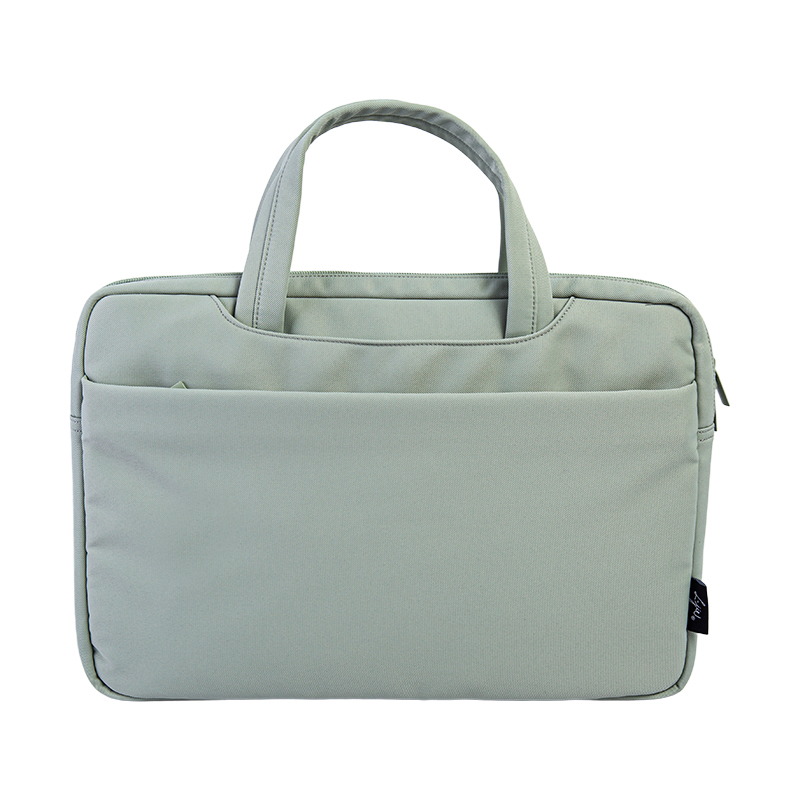
Not every woven fabric suits every product, and bag manufacturers typically choose between a handful of proven options depending on what a bag needs to withstand.
Oxford cloth is the workhorse of the category. Built on that basket-style plain weave variation, it packs in thicker, doubled yarns that resist abrasion and, with the right finish, shed water reasonably well. Liangjie's oxford cloth tote bags built for daily carrying lean on exactly this construction, trading a bit of softness for a surface that holds up to being loaded, unloaded, and set down on rough ground day after day. The same logic applies to hard-shell products: an oxford cloth hard cooler designed for outdoor use relies on that dense weave to protect a rigid interior structure through repeated outdoor trips.
Canvas, a more densely woven plain-weave cotton fabric, trades some of Oxford's water resistance for a softer hand and a more classic look, which is why it dominates casual tote and shopping bag lines. Polyester Oxford, a synthetic variation, adds better moisture resistance and color retention than cotton-based versions, making it a common pick for protective gear — including a polyester oxford cloth laptop case built for scratch resistance, where the tight synthetic weave shields an expensive device from daily bumps and surface wear.
Buyers weighing cotton against canvas against Oxford for a wholesale order are really weighing the same three variables every time: how much abrasion the bag needs to survive, how much water exposure it will face, and how much weight it needs to carry without stretching or tearing. A closer comparison of cotton, canvas, and Oxford fabric for wholesale bags breaks down exactly where each material lands on those three variables, along with the GSM ranges that separate a flimsy promotional bag from one built for years of daily errands.
Selecting a woven fabric for a bag, case, or cooler comes down to matching the weave and fiber to how the finished product will actually be used, not just how it looks on a spec sheet.
Once a fabric is chosen, keeping it performing well over time depends on proper care as much as the initial material choice. Woven cotton and canvas fibers respond poorly to hot water and aggressive machine agitation, both of which accelerate shrinkage and shorten a bag's usable life. A step-by-step guide to washing and maintaining a canvas bag covers the pre-treatment, washing, and drying steps that keep woven fabric bags looking and performing like new well past their first year in rotation.
For brands sourcing at volume, working with a manufacturer that stocks multiple weave and weight options — rather than a single fixed fabric — makes it far easier to match material to end use across a product line. Liangjie's full range of custom shopping bags and totes spans exactly that spectrum, from lightweight promotional cotton through heavyweight Oxford construction, so the fabric decision can be driven by the product's job rather than a supplier's limited catalog.
1. Understanding Shopping Bags Shopping bags are essential tools in modern retail and daily life. They serve as a convenient way to carry groceries, c...
View More1. Introduction In our increasingly mobile and digital world, the laptop has become the central hub of our professional and personal lives. It connect...
View MoreLearn how to choose the perfect crossbody water bottle sling bag — sizing, materials, wearing styles, packing checklist, top features to prioritize, a...
View MoreAn innovative enterprise that continuously strives to have its own brand through its own efforts. bag production factory
Phone: +86-13906735273
Tel: +86-573-85605006
Email: zhouyueliang@L-jie.com
Email: sunny@L-jie.com
Add: No.99 Xinchen Road. Xindai, Pinghu, Zhejiang, China
Copyright© 2025 Pinghu Liangjie suitcase & bag Co., Ltd. All Rights Reserved.
 Custom Luggage Bags Manufacturers


 English
 Français
 Español
 Deutsch
 عربى
عربى