 +86-573-85605006
 zhouyueliang@L-jie.com
Content
A high-quality laptop backpack combines robust physical protection with ergonomic weight distribution to safeguard expensive electronics while ensuring user comfort. Unlike standard bags, dedicated laptop backpacks feature suspended compartments that prevent the device from touching the ground when the bag is set down, significantly reducing impact damage. This structural integrity is paired with padded shoulder straps and back panels that distribute load evenly, preventing long-term posture issues.
The primary function of these bags extends beyond mere transport; they serve as a mobile office. Effective organization systems can reduce time spent searching for accessories by up to 40%, allowing professionals and students to transition seamlessly between environments. Whether commuting via public transit or traveling internationally, the right backpack acts as a shield against both physical shocks and environmental hazards like rain.
Selecting the correct size is critical to ensure your laptop fits securely without excessive movement. Laptop backpacks are categorized by screen size compatibility, typically ranging from 13 inches for ultrabooks to 17 inches for gaming laptops. A snug fit is essential; if the laptop compartment is too large, the device may shift during transit, increasing the risk of damage. Conversely, a compartment that is too tight can put pressure on the screen hinge.
While device compatibility is paramount, total volume measured in liters determines how much additional gear you can carry. A 15-liter bag may fit a 15-inch laptop but leave little room for chargers, notebooks, and clothing. For daily commuters, a 20-25 liter capacity offers the ideal balance, accommodating a laptop, tablet, power bank, and a change of clothes without becoming bulky.
| Laptop Size | Recommended Bag Volume | Best Use Case |
|---|---|---|
| 13-14 inches | 15-20 Liters | Minimalist commute, coffee shop work |
| 15-16 inches | 20-25 Liters | Daily office carry, student use |
| 17+ inches | 25-30+ Liters | Gaming, creative professionals, travel |
Proper ergonomics in a laptop backpack prevent strain on the shoulders, neck, and lower back during extended wear. As laptops become more powerful, they often gain weight, making load distribution mechanisms vital. Look for bags with S-curve shoulder straps that contour to the body, reducing pressure points under the arms. Additionally, a sternum strap helps stabilize the load, preventing the bag from shifting while walking or cycling.
A padded back panel is not just for cushioning; it provides structural rigidity and ventilation. Mesh-covered foam channels allow air to circulate between the bag and your back, reducing sweat buildup during warm weather or brisk walks. Some premium models feature a trampoline-style suspension system that keeps the bulk of the weight off the spine entirely, enhancing comfort for heavy loads.
Modern workflows require easy access to multiple devices and accessories. A well-organized laptop backpack features dedicated pockets for tablets, phones, pens, and cables, preventing tangling and damage. Admin panels with elastic loops and zippered mesh compartments keep small items visible and accessible, eliminating the need to dig through the main compartment.
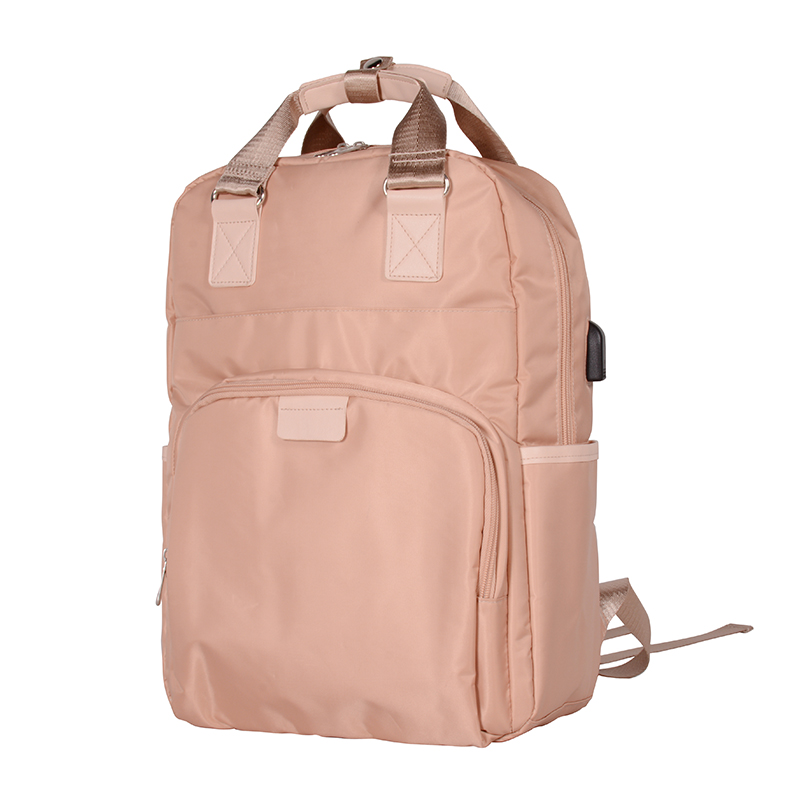
Many contemporary backpacks include external USB ports connected to an internal cable, allowing users to charge devices from a power bank stored inside. While convenient, users must ensure the internal power bank is securely pocketed to avoid connection interruptions. Additionally, RFID-blocking pockets protect credit cards and passports from electronic theft, adding a layer of security for travelers.
The longevity of a laptop backpack is determined by the denier rating of its fabric and the quality of its construction. Denier (D) refers to the thickness of the fibers; higher numbers indicate heavier, more durable material. For daily use, a 600D polyester is sufficient, but frequent travelers should opt for 900D-1680D ballistic nylon, which resists abrasion and tearing even in rough handling conditions.
Investing in a backpack with reinforced stitching at stress points, such as strap attachments and zipper ends, ensures it can withstand the weight of heavy tech gear for years. Look for lifetime warranties as a indicator of manufacturer confidence in material quality and craftsmanship.
1. Understanding Shopping Bags Shopping bags are essential tools in modern retail and daily life. They serve as a convenient way to carry groceries, c...
View More1. Introduction In our increasingly mobile and digital world, the laptop has become the central hub of our professional and personal lives. It connect...
View MoreLearn how to choose the perfect crossbody water bottle sling bag — sizing, materials, wearing styles, packing checklist, top features to prioritize, a...
View MoreAn innovative enterprise that continuously strives to have its own brand through its own efforts. bag production factory
Phone: +86-13906735273
Tel: +86-573-85605006
Email: zhouyueliang@L-jie.com
Email: sunny@L-jie.com
Add: No.99 Xinchen Road. Xindai, Pinghu, Zhejiang, China
Copyright© 2025 Pinghu Liangjie suitcase & bag Co., Ltd. All Rights Reserved.
 Custom Luggage Bags Manufacturers


 English
 Français
 Español
 Deutsch
 عربى
عربى