 +86-573-85605006
 zhouyueliang@L-jie.com
Content
PVC fabric isn't a solid sheet of plastic, even though it can look and feel like one. It's a composite: a woven base fabric — usually polyester or cotton — coated or laminated with a layer of polyvinyl chloride polymer. The base fabric supplies the structural strength and flexibility a bag needs; the PVC layer supplies the waterproofing, chemical resistance, and easy-clean surface that raw textile can't offer on its own.
Manufacturing generally happens one of two ways. In coating, liquid PVC compound is spread directly onto the base fabric and cured, bonding the polymer into the textile structure itself. In lamination, a separate PVC film is bonded to the fabric surface with adhesive or heat. Coated PVC typically holds up better under repeated flexing and welds more reliably at the seams, which matters for anything that gets folded, packed, and unpacked as often as a bag does.
Four properties explain why PVC fabric shows up across so many bag categories: it's genuinely waterproof rather than just water-resistant, it resists abrasion and scratching better than most uncoated textiles, it wipes clean with a damp cloth instead of requiring a wash cycle, and it holds its shape without the sagging that softer fabrics develop over time.
It's worth being clear that PVC fabric and plain woven fabric solve different problems. A woven textile's strength comes entirely from how its yarns interlace — no coating involved — which makes it breathable and often lighter, but not inherently waterproof. Our breakdown of woven fabric types and how they differ from coated materials covers that distinction in more depth — useful context before deciding whether a bag actually needs a coated fabric or would do fine with an uncoated weave.
Two numbers do most of the work in a PVC fabric specification: denier and GSM. Denier measures the base yarn's linear density — a 1000D yarn weighs 1000 grams per 9000 meters — with higher numbers generally meaning a stronger, heavier base. GSM (grams per square meter) measures the finished fabric's total weight, base plus coating combined, and correlates directly with thickness and durability.
A detailed PVC coated fabric specification guide breaks the practical ranges down clearly: 300-450 GSM suits lightweight covers and temporary use, 550-750 GSM covers general bag and transport applications, and 850+ GSM is reserved for heavy-duty or architectural-grade material — far beyond what any bag needs. For consumer bags, a mid-weight PVC in the 400-650 GSM range typically balances durability against the stiffness and weight that climb fast at higher coating weights.
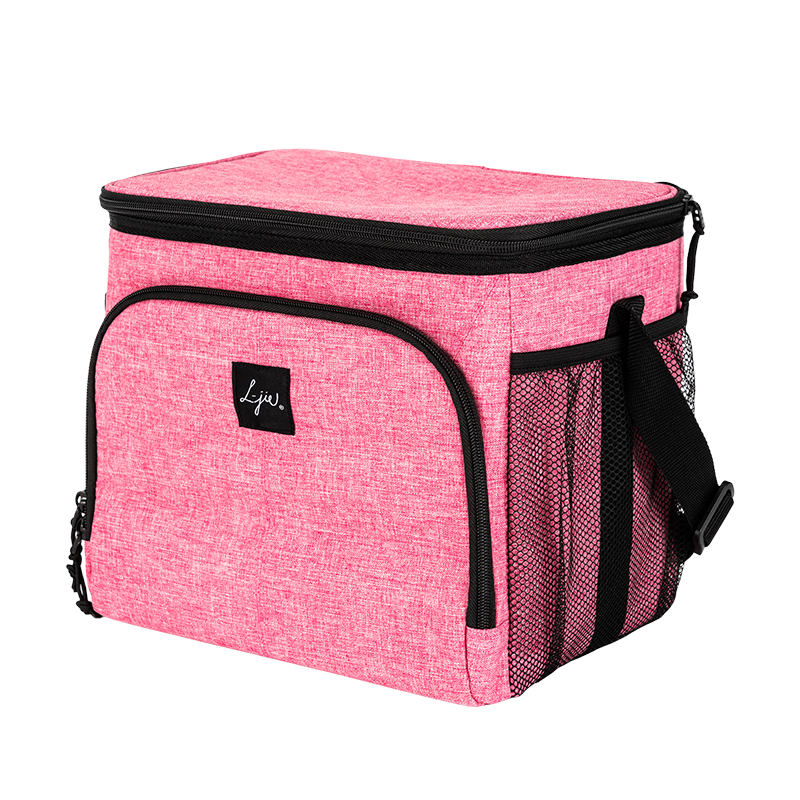
PVC's biggest advantage in bag construction shows up specifically in linings that need to survive repeated contact with food, condensation, and spills. A wipeable PVC-lined interior sheds moisture and stains that a plain fabric lining would absorb and eventually stain permanently — which is exactly the demand placed on our insulated tote collection, where the interior lining has to handle ice packs, condensation, and food contact day after day without breaking down.
The same logic extends to our hard cooler range, where an outer shell needs to resist scuffs and outdoor exposure while the interior needs to wipe clean after every use. Coated fabric earns its place here specifically because it survives that cycle of use, spill, and cleaning far longer than an uncoated alternative would. Insulation performance itself is a separate question from the fabric's waterproofing — our guide to how long insulated bags keep food warm covers what actually drives thermal performance, which comes down to the foam or foil layer behind the fabric rather than the outer material itself.
A detailed comparison of PVC against other common bag materials lines up the tradeoffs clearly:
None of these is a universal winner — the right material depends on whether waterproofing, breathability, weight, or cost carries the most weight for a specific bag's use case.
PVC fabric asks little in day-to-day maintenance — a damp cloth handles most cleaning, and it doesn't need the specialized detergents or air-drying care that natural fibers often require. Its weak points are temperature-related: prolonged heat can soften and distort the material, while extreme cold can make it brittle enough to crack at fold lines, so bags built from it are best stored somewhere that avoids both extremes.
On the environmental side, standard PVC is petroleum-based and carries real end-of-life concerns, but the supply chain has moved meaningfully toward recycled PVC content and cleaner production processes in response. Buyers sourcing PVC fabric at scale increasingly have the option to specify recycled or lower-impact formulations rather than defaulting to virgin material, which is worth raising directly with a supplier rather than assuming standard PVC is the only option.
Matching PVC fabric to a bag project comes down to answering a short list of questions before requesting samples: How much direct contact with moisture, food, or spills will the lining see? How much abrasion will the exterior take in daily use? Does the finished bag need to fold flat, or does it hold a fixed shape? And how much added weight and stiffness is acceptable for the durability gained?
A lightweight interior lining calls for a lower GSM coated fabric that stays flexible and easy to fold; a structural exterior panel or hard-shell component benefits from a heavier coating weight that holds shape under repeated use. Our backpack cooler bags guide walks through how these material tradeoffs play out in a specific product category, which is a useful reference point when specifying fabric for a comparable bag design.
1. Understanding Shopping Bags Shopping bags are essential tools in modern retail and daily life. They serve as a convenient way to carry groceries, c...
View More1. Introduction In our increasingly mobile and digital world, the laptop has become the central hub of our professional and personal lives. It connect...
View MoreLearn how to choose the perfect crossbody water bottle sling bag — sizing, materials, wearing styles, packing checklist, top features to prioritize, a...
View MoreAn innovative enterprise that continuously strives to have its own brand through its own efforts. bag production factory
Phone: +86-13906735273
Tel: +86-573-85605006
Email: zhouyueliang@L-jie.com
Email: sunny@L-jie.com
Add: No.99 Xinchen Road. Xindai, Pinghu, Zhejiang, China
Copyright© 2025 Pinghu Liangjie suitcase & bag Co., Ltd. All Rights Reserved.
 Custom Luggage Bags Manufacturers


 English
 Français
 Español
 Deutsch
 عربى
عربى